

Beyond Aesthetics: Why Sustainable Wall Panels Are Gaining Traction
Home decor used to be all about looks. Now, things are changing. People want beautiful spaces, yes, but they also want to reduce their environmental impact. This isn't just a trend; it's a fundamental shift in how we view our homes and the products within them.
Consumer demand for sustainable products is rising sharply. A 2023 Nielsen report found that 66% of global consumers will pay more for sustainable brands. This extends to building materials, which often have a substantial environmental footprint. People are increasingly aware of issues like volatile organic compounds (VOCs) in paints and the carbon cost of manufacturing traditional wall coverings.
At Whole3D, we recognize this shift and are committed to offering solutions that align with these values. We're not just offering an 'eco-friendly' option; we're rethinking how we create and deliver wall decor. Beautiful design and environmental responsibility aren't mutually exclusive – they go hand in hand.
Interest is growing as people better understand the impact of building materials. They're asking where materials come from, how they're made, and what happens to them at the end of their life. This scrutiny is forcing manufacturers to be more transparent and prioritize sustainability, which is a positive development.
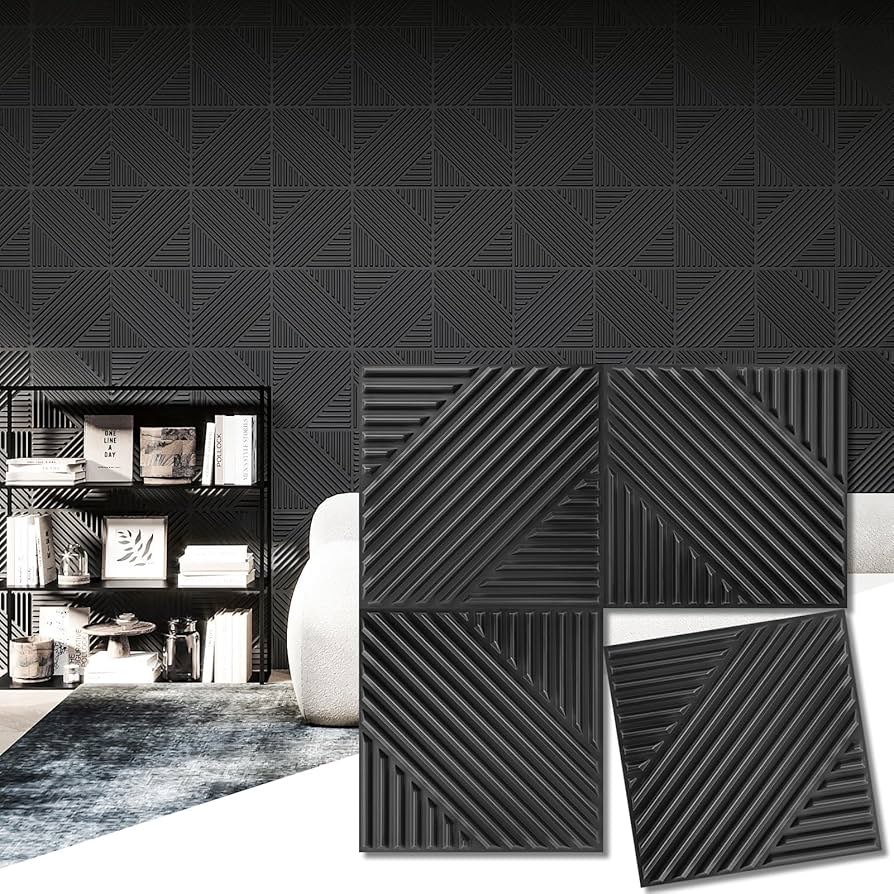
The Materials Revolution: What Makes a 3D Wall Panel 'Sustainable'?
The term "sustainable" is often used loosely. For 3D wall panels, it means more than just looking green; the materials and manufacturing processes must be genuinely eco-conscious. Innovation is leading to a move away from traditional, resource-intensive materials.
Bamboo fiber, used in Art3d panels (available on Amazon), is a rapidly renewable resource. Recycled plastics divert waste from landfills. Plant-based polymers from sources like cornstarch or sugarcane offer biodegradable alternatives. Agricultural waste products, such as rice husks or wheat straw, are also being explored.
Be wary of "greenwashing" – marketing that exaggerates environmental benefits. Look beyond surface claims and consider the material's entire lifecycle, from sourcing to disposal. A panel made from recycled plastic is a good start, but the energy used in the recycling process also matters.
Genuine sustainability requires transparency. Companies should clearly demonstrate material sources, manufacturing processes, and certifications. Look for certifications like Forest Stewardship Council (FSC) for wood-based products or those verifying recycled content. Without this accountability, assessing a product’s environmental impact is difficult.
- Bamboo Fiber: Rapidly renewable, strong, and lightweight.
- Recycled Plastics: Diverts waste from landfills, reduces reliance on virgin plastics.
- Plant-Based Polymers: Biodegradable alternatives to conventional plastics.
- Agricultural Waste: Utilizes byproducts from farming, reducing waste.
Eco-Friendly 3D Panel Materials
- Bamboo - A rapidly renewable resource, bamboo 3D panels offer a natural aesthetic and impressive strength. Often used in textured designs, they contribute to a calming and organic feel.
- Recycled PET (Polyethylene Terephthalate) - Derived from recycled plastic bottles, these panels divert waste from landfills. PET panels are lightweight, moisture-resistant, and can be molded into complex 3D shapes.
- Wood Fiber - Utilizing wood waste or sustainably harvested wood, these panels offer a classic, warm look. They often incorporate a blend of wood fibers and resins for added stability.
- PLA (Polylactic Acid) - A biodegradable thermoplastic derived from renewable resources like corn starch or sugarcane. PLA 3D panels are increasingly popular for their low environmental impact, though they may be less heat resistant than other options.
- Durability & Cost Comparison (Estimates):
- Bamboo: Durability - 4/5, Cost - $8 - $15/sq ft
- Recycled PET: Durability - 3/5, Cost - $6 - $12/sq ft
- Wood Fiber: Durability - 3.5/5, Cost - $7 - $14/sq ft
- PLA: Durability - 2.5/5, Cost - $9 - $18/sq ft
- Cork - A renewable material harvested from the bark of cork oak trees, cork 3D panels provide excellent insulation and sound absorption. They are naturally fire-resistant and offer a unique, textured appearance.
- Bagasse - A byproduct of sugarcane processing, bagasse is a rapidly renewable resource. Bagasse 3D panels are lightweight, compostable, and can be molded into intricate designs.
Whole3D's Approach: A Deep Dive into Our Eco-Friendly Panel Options
Whole3D incorporates sustainable materials into its 3D panel offerings. A significant portion of our panels use a bio-resin derived from plant-based oils, reducing reliance on petroleum-based plastics. This material comes from suppliers committed to responsible forestry and ethical labor.
We also explore using recycled wood fiber in select panel designs. This material comes from post-industrial wood waste, diverting it from landfills and reducing demand for virgin timber. We prioritize suppliers with transparent supply chains and verifiable recycling processes.
Our panels are lightweight and easy to cut and fit, minimizing waste during installation. This small detail contributes to a reduced environmental footprint. Comprehensive installation guides on our website ensure proper fitting and minimize material loss.
We are working towards FSC certification for our wood-based panels and seeking suppliers with verified recycled content. We continuously evaluate new materials and technologies to enhance product sustainability.
Installation and Longevity: Reducing Your Environmental Footprint Long-Term
Sustainability extends beyond materials to the product's entire lifecycle. Choosing durable, long-lasting panels reduces environmental impact by minimizing replacements, waste, and resource consumption. Our panels are built for longevity using resilient materials.
Proper installation is crucial. Detailed guides on Whole3D.com ensure a secure, efficient fit and minimize material waste. Careful planning and precise cutting significantly reduce scrap. Preparation is key.
End-of-life options, including recyclability, are important. While not all 3D wall panels are easily recyclable, we research and develop panels from materials that can be more readily repurposed. Some panels may be suitable for downcycling into other products.
Consider repurposing. Instead of discarding old panels, use them elsewhere in the home or create artwork. Creative end-of-life thinking extends the panels' useful life and reduces waste.
- Step 1: Carefully measure the wall and plan the layout.
- Step 2: Cut the panels to size using appropriate tools.
- Step 3: Apply adhesive to the back of the panel.
- Step 4: Securely attach the panel to the wall.
- Step 5: Repeat for all panels, ensuring proper alignment.
Design Trends for 2026: How Sustainable Panels Fit into Future Home Aesthetics
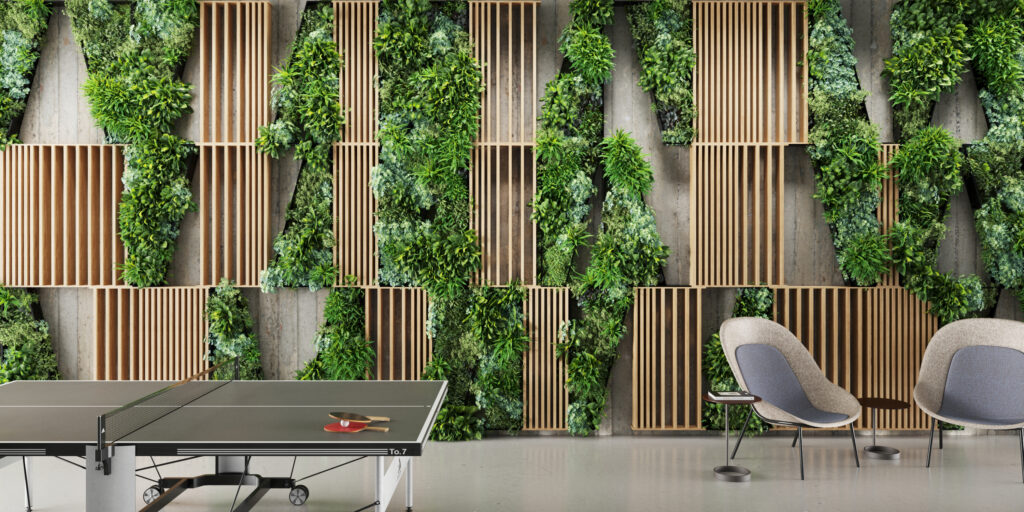
undefined 2026, several key design trends are emerging that perfectly complement sustainable wall panels. Biophilic design – incorporating natural elements into interior spaces – is gaining popularity. Our wood and plant fiber panels align seamlessly with this trend, bringing the textures and warmth of nature indoors.
Minimalist aesthetics, characterized by clean lines and a focus on functionality, are also prevalent. The subtle textures and geometric patterns of our 3D panels can add visual interest to minimalist spaces without overwhelming them. The neutral color palettes often associated with sustainable materials further enhance this aesthetic.
There’s a growing appreciation for natural textures and organic forms. Our panels, particularly those made from wood or bamboo, offer a tactile and visually appealing alternative to smooth, synthetic wall coverings. This emphasis on natural materials creates a sense of calm and connection to the outdoors.
Customization is key. Homeowners are increasingly seeking ways to personalize their spaces and express their individuality. Whole3D offers a range of panel designs and finishes, allowing customers to create a unique and eco-friendly environment that reflects their personal style.
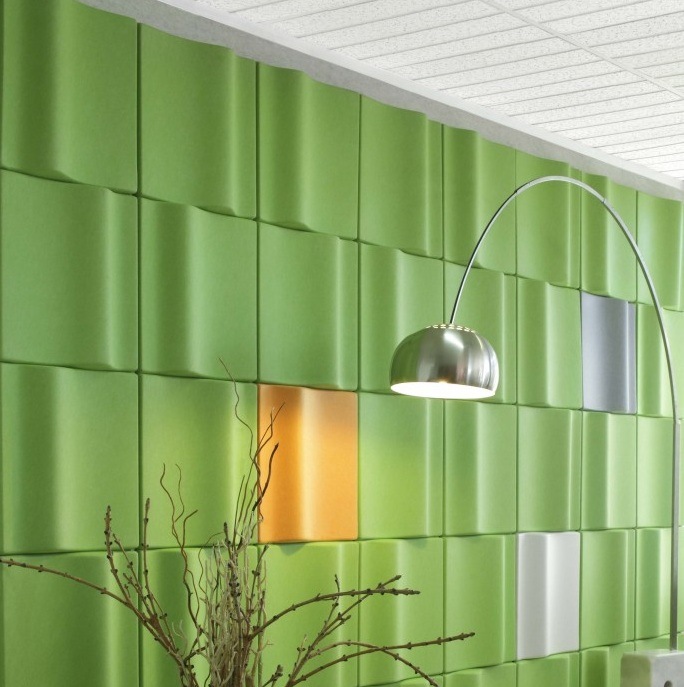
Cost Considerations: Are Sustainable Panels a Worthwhile Investment?
The upfront cost of sustainable materials can sometimes be higher than conventional alternatives. However, it’s essential to consider the long-term value proposition. Durability and reduced maintenance can lead to significant savings over the lifespan of the panels.
Traditional wall coverings, like paint or wallpaper, often require frequent reapplication. Sustainable panels, particularly those made from durable materials like bamboo or recycled plastics, can last for many years with minimal maintenance. This reduces the need for replacements and associated costs.
The positive environmental impact is also a valuable consideration. Choosing sustainable products supports responsible manufacturing practices and reduces your overall carbon footprint. This isn’t just a feel-good factor; it’s an investment in a healthier planet.
While we don’t have exact price comparisons available at this moment, we strive to offer competitive pricing within the sustainable wall decor market. We believe the long-term benefits – durability, reduced maintenance, and environmental responsibility – make Whole3D panels a worthwhile investment.
Sustainable Wall Decor, Crafted from Textile Scraps! ♻️ Each piece tells a unique story of sustainability, blending vibrant fabrics with artistic craftsmanship. ✨
— Bunko Junko – Sustainable Fashion & Upcycling (@bunkojunko1) April 1, 2025
Limited edition, made with love & purpose! #SustainableHome #EcoFriendlyDecor #TextileArt #USA #ZeroWaste pic.twitter.com/0MxC7YK3B6
Community Voices: What Homeowners Are Saying About Eco-Friendly Wall Decor
The enthusiasm for sustainable wall decor is evident in online communities. On Amazon, reviews for Art3d bamboo wall panels frequently mention the product’s aesthetic appeal and eco-friendly nature. One reviewer wrote, “These panels look fantastic and I feel good knowing they’re made from a sustainable material.”
Reddit threads dedicated to home improvement often feature discussions about sustainable wall coverings. In a recent thread on r/HomeImprovement, a user praised the ease of installation and the positive environmental impact of using recycled plastic panels. Another user commented, “I was looking for a way to update my living room without harming the planet, and these panels were the perfect solution.”
Across social media, homeowners are sharing photos of their spaces featuring sustainable wall decor, highlighting the beauty and versatility of these materials. The consistent theme is a desire for products that are both stylish and environmentally responsible.
This real-world feedback reinforces the growing demand for sustainable options and demonstrates that consumers are willing to invest in products that align with their values.
No comments yet. Be the first to share your thoughts!