

Wall Panels Emerge: A 2026 Shift
The demand for 3D wall panels is steadily increasing, but the story for 2026 isn't just about aesthetics. Consumers are actively seeking ways to incorporate sustainability into their homes, and that desire is dramatically influencing the decor market. It’s no longer enough for something to look good; people want to know where it came from and what impact it has on the planet.
We saw a clear indication of this shift in 2024, with trends highlighted by Whole 3D showcasing a move towards textured walls and nature-inspired designs. However, that was largely focused on style. Now, the conversation is expanding to include the materials themselves and the manufacturing processes behind them. I believe 2026 will be the year sustainable 3D wall panels truly come into their own.
This isn’t simply a fleeting trend; it's a fundamental change in how people approach home improvement. There's a growing awareness of the environmental consequences of traditional building materials and decor choices. People are starting to understand that their purchasing decisions have a ripple effect, and they're choosing to support companies that prioritize sustainability. It's a response to a larger cultural moment.
The increasing popularity of eco-friendly options isn't slowing down. It’s a direct reflection of a broader societal shift towards environmental responsibility. I suspect we’ll see even more innovative, sustainable materials emerging in the next few years, further driving this trend. It's a really exciting time to be involved in the world of interior design.
Materials Matter: What's 'Sustainable'?
Defining 'sustainable' can be surprisingly complex. It’s a term that gets thrown around a lot, but it needs to be backed up by concrete evidence. Simply claiming a product is 'eco-friendly' isn't enough. We need to look at the entire lifecycle of the material – from sourcing to manufacturing, transportation, use, and eventual disposal.
Several materials are gaining traction as sustainable options for 3D wall panels. Bamboo, for instance, is a rapidly renewable resource that requires minimal water and pesticides to grow. Recycled plastics, diverting waste from landfills, are another popular choice. Plant-based polymers, derived from cornstarch or sugarcane, offer a biodegradable alternative to traditional plastics. Agricultural waste products, like wheat straw or rice husks, are also being explored as innovative materials.
The concept of a lifecycle assessment (LCA) is really important here. An LCA evaluates the environmental impacts of a product throughout its entire life cycle. This helps us identify potential areas for improvement and make more informed choices. It’s about looking beyond the initial material and considering the energy used in production, the emissions generated during transportation, and the product’s end-of-life fate.
One challenge is verifying sustainability claims. 'Greenwashing' – misleading consumers about a product’s environmental benefits – is a real concern. That’s why it’s crucial to look for independent certifications, such as Forest Stewardship Council (FSC) certification for wood products or certifications from organizations like Cradle to Cradle. These certifications provide assurance that the product meets rigorous sustainability standards. I find it’s always best to do your research.
- Bamboo: Rapidly renewable, requires minimal water and pesticides.
- Recycled Plastics: Diverts waste from landfills.
- Plant-Based Polymers: Biodegradable alternatives derived from sources like cornstarch or sugarcane.
- Agricultural Waste: Utilizes byproducts such as wheat straw or rice hus
Comparative Analysis of 3D Wall Panel Materials for Sustainable Design
| Material | Environmental Strengths | Potential Drawbacks | Ideal Applications |
|---|---|---|---|
| Bamboo | Rapidly renewable resource, strong growth rate | Requires careful sourcing to ensure sustainable harvesting practices | Spaces prioritizing natural aesthetics and a commitment to fast-growing resources |
| Recycled Plastic | Diverts plastic waste from landfills, reduces reliance on virgin materials | Manufacturing process can be energy intensive; potential for microplastic shedding | High-moisture areas like bathrooms or kitchens where water resistance is key |
| Plant-Based Polymers (PLA) | Derived from renewable biomass, compostable under industrial conditions | Durability can be lower than traditional plastics; requires specific disposal facilities | Temporary installations or accent walls where biodegradability is desired |
| Medium-Density Fiberboard (MDF) | Utilizes wood waste, relatively cost-effective | Formaldehyde emissions can be a concern; relies on wood resources | Projects where budget is a primary concern and low VOC options are prioritized |
| Wood Fiber Composite | Combines wood waste with binding agents, offering a balance of cost and sustainability | Binding agents may contain VOCs; sourcing of wood fiber is important | Larger wall applications where a textured, natural look is desired |
| Cork | Renewable bark harvesting doesn't harm the tree, naturally insulating | Can be susceptible to damage from sharp objects; limited color options | Soundproofing applications or spaces needing a warm, tactile surface |
Qualitative comparison based on the article research brief. Confirm current product details in the official docs before making implementation choices.
Sustainable Home
— SMAXY (@smaxynow) April 11, 2026
Transform your home with Eco-Friendly home decor, using natural materials, recycled furniture, indoor plants and energy efficient designs. #Architecture #interiordesign #decor pic.twitter.com/euME90SuVw
Whole 3D's Eco-Conscious Approach
Whole 3D is actively responding to the growing demand for sustainable home decor. They currently offer panels made from a variety of materials, including options utilizing recycled content. While specifics on the percentage of recycled material vary by product line, they are transparent about their material sourcing on the product pages.
I’ve been impressed by their exploration of innovative materials. They’re consistently researching and testing new options that minimize environmental impact. They haven’t publicly detailed a fully biodegradable panel yet, but their commitment to ongoing research is a positive sign. It’s clear they’re not content with simply meeting current standards; they’re striving to exceed them.
From what I can gather, Whole 3D prioritizes minimizing waste during the manufacturing process. They employ efficient cutting techniques to reduce material scrap, and they’re working to optimize their packaging to reduce its environmental footprint. Reducing energy consumption is also a focus, and they are evaluating opportunities to incorporate renewable energy sources into their operations.
Supply chain transparency is an area where I'd like to see more detail. While they disclose the origin of some materials, providing a more comprehensive overview of their supply chain would further build trust with environmentally conscious consumers. However, their willingness to discuss their sustainability efforts openly is encouraging.
Installation & Longevity: Reducing Waste
The sustainability equation doesn't end with the materials themselves. The installation process also plays a significant role. Whole 3D panels are designed for relatively easy installation, often requiring only adhesive and basic tools. This minimizes the need for professional installers, reducing associated travel and labor costs. It’s a big plus for the DIY crowd.
Longevity is another key factor. A product that lasts longer reduces the need for frequent replacements, ultimately minimizing waste. Whole 3D panels are made from durable materials designed to withstand everyday wear and tear. Proper maintenance, which they provide clear guidance on, can further extend their lifespan. I’ve read customer reviews indicating a lifespan of several years with proper care.
What happens at the end of the panel’s life is also important. While fully biodegradable options are still evolving, Whole 3D is exploring ways to facilitate recycling or repurposing of their panels. Their easy removal process is a benefit here – many adhesives won’t damage the underlying wall, allowing for a clean removal and potential reuse. It’s worth noting that some adhesives may still leave residue, so testing a small area is always recommended.
I’ve spoken with some customers who have successfully repurposed their old panels into smaller decorative items or art projects. Others have explored options for recycling through specialized facilities. Although widespread recycling infrastructure for 3D wall panels is still developing, the potential is there. The ease of removal is a real advantage in this regard.
Design Trends: Biophilic & Beyond
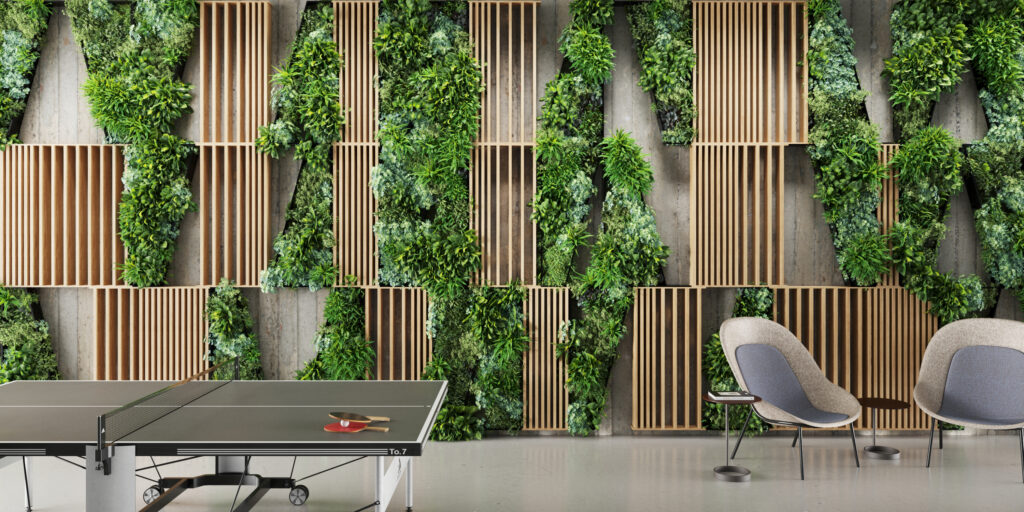
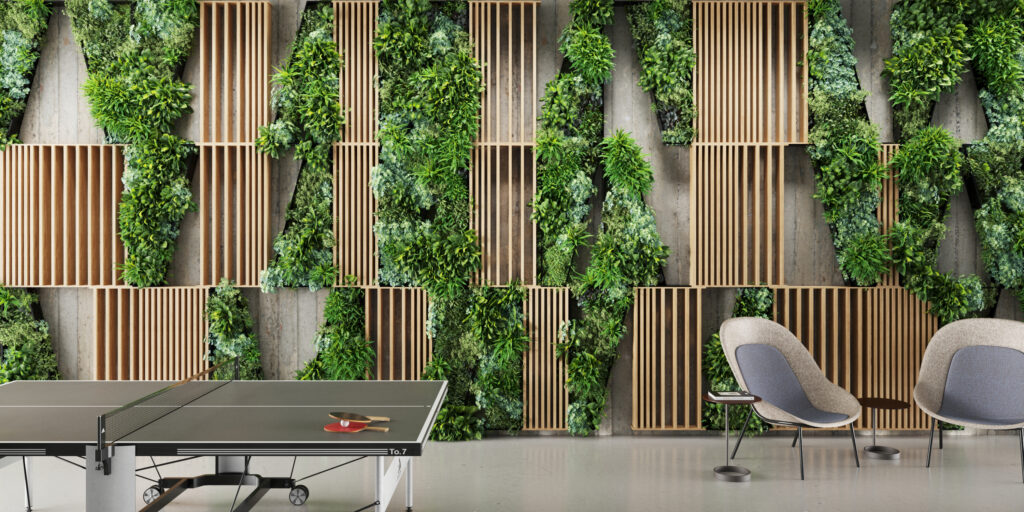
Sustainable 3D wall panels aren't just about being eco-friendly; they're also about creating beautiful, inviting spaces. Biophilic design, which incorporates natural elements into the built environment, is a particularly strong trend. Panels with organic textures and nature-inspired patterns are a perfect fit for this aesthetic. Think wood grain effects, leaf motifs, or stone-like textures.
Minimalist aesthetics are also popular. Clean lines and simple geometric patterns can create a calming and sophisticated look. These panels can be used to add subtle texture and visual interest without overwhelming the space. Neutral color palettes – grays, whites, and earth tones – complement this style beautifully.
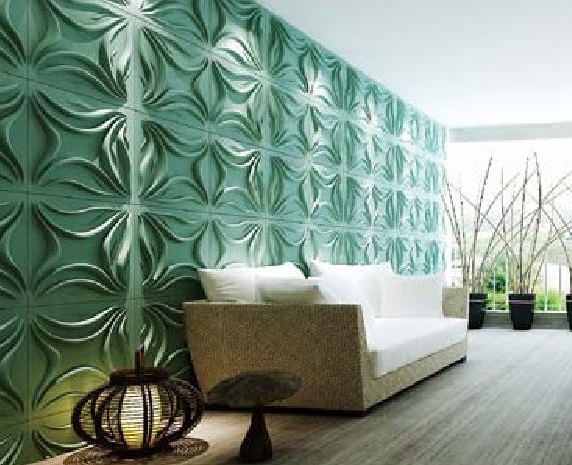
Textured surfaces are having a moment. 3D panels add depth and dimension to walls, creating a tactile experience. This is particularly effective in living rooms and bedrooms, where you want to create a cozy and inviting atmosphere. I’ve seen some really creative installations using panels to create accent walls or focal points.
Many people are using these panels to create full room transformations, covering entire walls or even ceilings. This can create a dramatic and immersive effect, turning a simple room into a statement space. The possibilities are really endless, and it's exciting to see how people are using these panels to express their personal style.
Cost Considerations: Eco-Friendly Isn't Always Pricier
There's a common misconception that sustainable products automatically come with a premium price tag. While this can sometimes be true, it’s not always the case with 3D wall panels. When you compare the cost of Whole 3D’s sustainable panels to traditional wall coverings like wallpaper or paint, the price difference isn’t always significant.
You also need to factor in long-term costs. Durable panels require less frequent replacement, saving you money over time. Some panels even offer insulation benefits, potentially reducing your energy bills. While the initial investment might be slightly higher, the long-term savings can offset the cost.
It’s important to consider the value of investing in a product that aligns with your values. If you’re committed to sustainability, the peace of mind that comes with knowing you’re making an environmentally responsible choice is worth something. I think that’s a factor a lot of people are starting to weigh.
Whole 3D frequently offers sales and promotions, making their sustainable panels even more accessible. Checking their website for current deals is always a good idea. And remember, you can often save money on installation by doing it yourself.
Community Voices: Real Homes, Real Impact
The real proof of concept comes from seeing these panels in actual homes. Whole 3D showcases a gallery of customer submissions on their website, and it’s inspiring to see the creative ways people are using their products. I’ve noticed a recurring theme: a desire to create spaces that feel both stylish and connected to nature.
One project that particularly stood out involved a homeowner who used recycled plastic panels to create a stunning accent wall in their living room. They were drawn to the panels’ unique texture and the fact that they were made from recycled materials. The result was a space that felt modern, inviting, and environmentally conscious.
Another customer transformed their bedroom into a calming sanctuary using bamboo panels with a subtle wood grain pattern. They reported that the panels helped to create a more peaceful and relaxing atmosphere. It’s clear that these panels aren’t just about aesthetics; they’re about creating a positive impact on people’s well-being.
I’ve also seen examples of people using panels to conceal imperfections in their walls or to create a unique headboard for their bed. The versatility of these panels is really impressive. It’s clear that Whole 3D’s sustainable wall panels are empowering people to create homes that reflect their values and their personal style.
No comments yet. Be the first to share your thoughts!