

Beyond Texture: The Rise of Eco-Wall Panels
There's a clear shift happening in home decor. People aren’t just looking for beautiful spaces, they're actively seeking ways to reduce their environmental impact. This desire for eco-consciousness is driving demand for sustainable products, and that includes what we put on our walls. 3D wall panels have been gaining popularity for their aesthetic appeal, offering a unique texture and dimension to interiors, but now their appeal is expanding to include a commitment to the planet.
For a long time, design choices were made with little thought to their wider consequences. Thankfully, that’s changing. Consumers are becoming more aware of the materials used in the products they buy and the processes behind their creation. This isn’t about sacrificing style; it’s about making informed choices that align with personal values. The growth in searches for 'eco-friendly home decor' and 'sustainable interior design' confirms this trend.
While the visual impact of 3D panels initially drew attention, the environmental benefits are quickly becoming a major selling point. It’s a move away from purely aesthetic considerations and towards a more holistic approach to home improvement. We're seeing people prioritize materials, manufacturing processes, and the overall lifecycle of a product. It’s a positive change, and one that reflects a growing sense of responsibility.
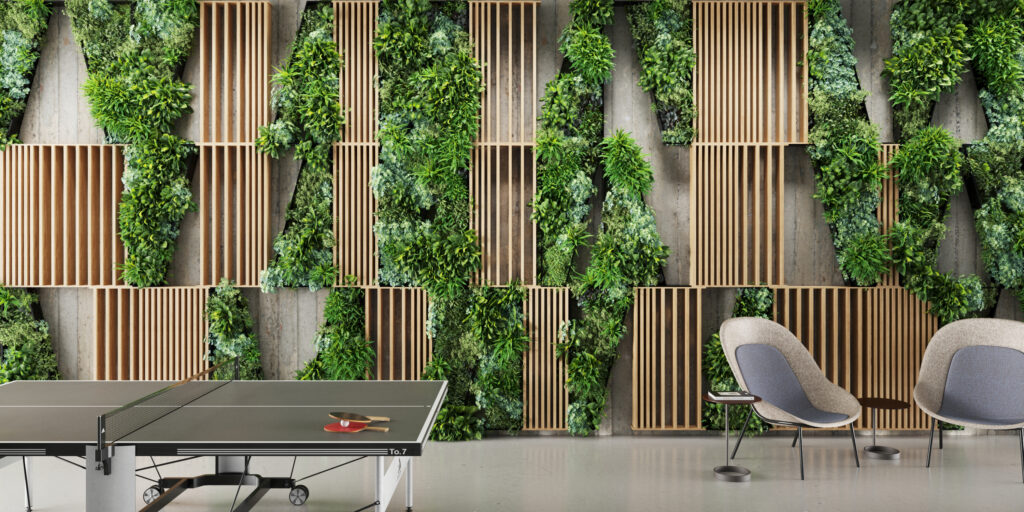
Materials Matter: What Makes a Panel 'Green'
The term 'eco-friendly' gets thrown around a lot, but when it comes to 3D wall panels, it's essential to look beyond the label. Different materials have drastically different environmental footprints. Recycled plastics are a common starting point, but the type of plastic matters significantly. Post-consumer recycled (PCR) plastics – those sourced from household waste – are far preferable to post-industrial recycled plastics, which are often manufacturing scraps.
Bamboo fiber composites are another promising option, offering a rapidly renewable resource. However, the adhesives used to bind the bamboo fibers together need careful consideration. Some adhesives contain volatile organic compounds (VOCs), which can negatively impact indoor air quality. Agricultural waste products, like wheat straw or sugarcane bagasse, represent a fantastic way to repurpose materials that would otherwise be discarded. These materials are often locally sourced, reducing transportation emissions.
Bio-based polymers, derived from plant sources, are gaining traction, but their biodegradability varies considerably. It’s important to understand that 'bio-based' doesn’t automatically equate to 'compostable'. At Whole 3D, we prioritize materials with low VOC emissions and a high percentage of recycled content. We carefully vet our suppliers to ensure responsible sourcing practices and transparency in their manufacturing processes. We currently use a blend of recycled PET and plant-based fibers in many of our panels.
Calculating the carbon footprint of each material is complex. It involves assessing everything from raw material extraction to manufacturing, transportation, and even end-of-life disposal. It's not a simple equation, and claims should be viewed with a critical eye. It's also worth noting that the energy source used during manufacturing plays a significant role – a panel made from recycled plastic using renewable energy will have a lower footprint than one produced with fossil fuels.
- Recycled Plastics (PCR): Best option, sourced from household waste.
- Bamboo Fiber Composites: Renewable, but check adhesive VOC content.
- Agricultural Waste (Wheat Straw, Sugarcane Bagasse): Repurposes waste, often locally sourced.
- Bio-Based Polymers: Variable biodegradability, 'bio-based' != 'compostable'.
Sustainable 3D Wall Panel Material Comparison - Trends for 2026
| Material | Renewable? | Environmental Impact | Durability | Typical Applications |
|---|---|---|---|---|
| Recycled PET | Yes, from plastic bottles | Lower carbon footprint compared to virgin plastics | Good, resistant to moisture | Accent walls, feature panels in drier areas |
| Bamboo Fiber | Yes, rapidly renewable | Generally low impact, fast growth cycle | Moderate, can be susceptible to damage | Decorative panels, lightweight designs |
| Wheat Straw | Yes, agricultural byproduct | Utilizes waste material, reducing landfill burden | Moderate, benefits from protective coatings | Interior wall coverings, textured effects |
| Bio-Based PLA | Yes, from corn starch or sugarcane | Reduces reliance on fossil fuels, compostable under specific conditions | Lower, less robust than some plastics | Temporary installations, artistic displays |
| Wood Fiber | Yes, from sustainably managed forests | Carbon neutral if sourced responsibly, natural aesthetic | Good, depending on wood type and treatment | Classic designs, rustic or natural interiors |
Qualitative comparison based on the article research brief. Confirm current product details in the official docs before making implementation choices.
In eco-friendly design, Elise Fouin pioneers with Nebulis, a nature-inspired lighting piece for Forestier, challenging plastic and glass norms. Reflects a wider trend in sustainable home decor. https://t.co/tGPwydDqEa pic.twitter.com/itKgWfwIH0
— ArchDaily (@ArchDaily) November 24, 2023
Installation & Longevity: Reducing Waste
Sustainability isn’t just about the materials themselves; it's also about minimizing waste during installation and ensuring the product lasts. Panels that are easy to install reduce the likelihood of errors and the need for multiple attempts, which translates to less material wasted. Whole 3D panels are designed with a simple interlocking system, making DIY installation accessible and straightforward.
Durability is key. A panel that needs to be replaced after a year isn’t truly sustainable, no matter how eco-friendly the materials. We focus on creating panels that are resistant to wear and tear, capable of withstanding normal household conditions. They’re also designed to be relatively easy to repair – a damaged panel can often be patched or replaced individually, rather than requiring a complete wall renovation.
Removability and reusability are increasingly important considerations. The trend towards "fast decor" – constantly changing styles – creates a lot of waste. Our panels can be removed without damaging the underlying wall, allowing them to be reused in different spaces or even repurposed for other projects. While end-of-life options are still evolving, we encourage customers to explore recycling programs for PET plastics if they ultimately decide to dispose of their panels.
Design Trends: Eco-Style in 2026
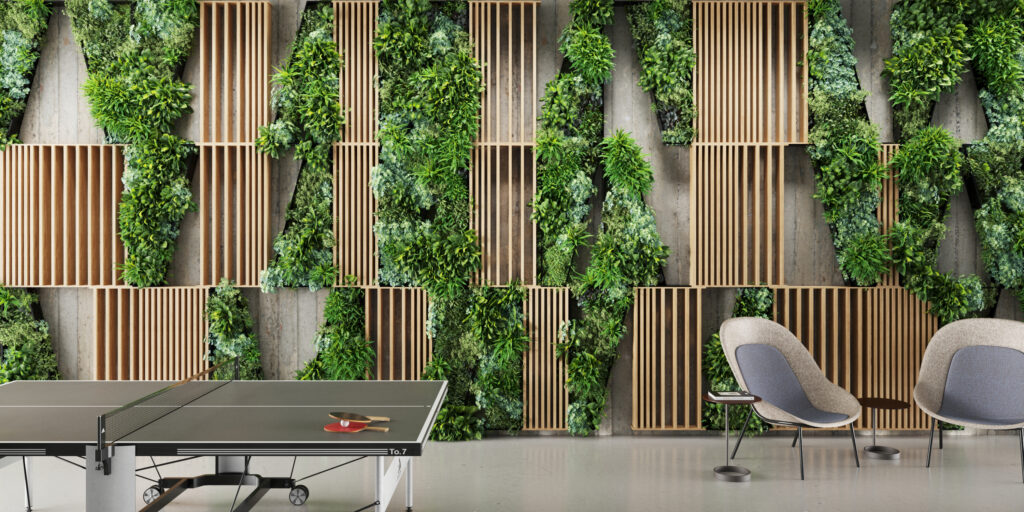
The design world is currently embracing a return to nature, and that’s reflected in the popularity of biophilic design. This approach focuses on incorporating natural elements into interiors, creating a sense of calm and connection to the outdoors. 3D panels with organic textures and earth-toned colors fit seamlessly into this trend. Think panels that mimic wood grain, stone, or even leaf patterns.
Minimalism continues to be a dominant force, with a focus on clean lines, uncluttered spaces, and a neutral color palette. 3D panels can add subtle texture and visual interest to minimalist interiors without overwhelming the space. We’re seeing a lot of demand for panels in shades of white, gray, and beige, allowing them to blend harmoniously with existing decor. More complex patterns are being used as accent walls, rather than covering entire rooms.
While bold, saturated colors had a moment, we’re seeing a shift towards more muted and natural tones. Terracotta, sage green, and warm grays are particularly popular. Texturally, there’s a growing interest in panels that create a sense of depth and dimension, like those with undulating surfaces or geometric patterns. I'm not sure what 2026 will bring exactly, but the current momentum suggests a continued emphasis on natural materials and calming aesthetics. Whole 3D’s current collections feature a range of textures and colors that align perfectly with these trends.
Carbon Footprint: A Deeper Look
Understanding the carbon footprint of a 3D wall panel requires considering its entire lifecycle. This includes the energy used to extract raw materials, the manufacturing process, transportation to the retailer and ultimately to the consumer, installation, and eventual disposal. Each stage contributes to the overall carbon emissions.
Material sourcing often has the largest impact, particularly if virgin materials are used. Manufacturing processes that rely on fossil fuels also contribute significantly. Transportation emissions can be reduced by sourcing materials locally and optimizing shipping routes. Installation, while seemingly minor, can add up if it requires multiple trips or specialized equipment. Disposal is a tricky one – if a panel ends up in a landfill, it will release greenhouse gases as it decomposes.
Carbon offsetting is one strategy for mitigating the environmental impact of a product. This involves investing in projects that reduce carbon emissions elsewhere, such as reforestation or renewable energy initiatives. Whole 3D is currently exploring options for carbon offsetting, but it’s a complex issue. Accurately measuring a product’s carbon footprint is challenging, and ensuring the credibility of carbon offsetting projects requires careful due diligence. We are committed to transparency and will share more information as our efforts progress.
Beyond the Walls: Holistic Sustainability
Sustainable 3D wall panels aren’t just about one element of a room; they’re part of a larger conversation about creating a sustainable home. Pairing these panels with other eco-friendly choices – like furniture made from reclaimed wood, energy-efficient lighting, and low-VOC paints – amplifies the positive impact. Consider the entire ecosystem of your living space.
Energy efficiency and indoor air quality are also crucial components of sustainable home design. Choosing panels that don’t off-gas harmful chemicals contributes to a healthier indoor environment. Similarly, opting for energy-efficient appliances and insulation reduces your overall carbon footprint. The concept of a circular economy – designing products to be reused, repaired, or recycled – is increasingly relevant in home decor.
Think about the materials used in your flooring, textiles, and accessories. Prioritize natural, renewable, and recycled materials whenever possible. Small changes can add up to a significant difference. Whole 3D aims to be a catalyst for broader sustainable practices, encouraging our customers to consider the environmental impact of all their design choices.
Community Voices: Real People, Real Changes
We’ve been thrilled to see how our customers are incorporating Whole 3D panels into their homes and embracing a more sustainable lifestyle. Sarah M. from Denver, Colorado, recently shared how she used our recycled PET panels to create a stunning accent wall in her living room. She specifically chose our panels because of their eco-friendly credentials and the fact that they were made in the USA.
Another customer, David L. from Austin, Texas, used our panels to soundproof his home office, reducing noise pollution and creating a more productive workspace. He appreciated the ease of installation and the fact that the panels were made from sustainable materials. He noted that the aesthetic improvement was a bonus. Maria R. from Brooklyn, New York, transformed her bedroom with our 3D panels, stating that they added a unique texture and dimension to the space while aligning with her commitment to eco-conscious living.
These are just a few examples of how our customers are using Whole 3D panels to create beautiful, sustainable homes. We are committed to continuing to innovate and provide products that meet the evolving needs of environmentally conscious consumers. Hearing directly from our community reinforces our mission and inspires us to do even better.
Looking Ahead: Innovation in Eco-Panels
The future of sustainable 3D wall panels is incredibly exciting. Researchers are exploring innovative materials like mycelium – the root structure of mushrooms – which is a rapidly renewable and biodegradable resource. Algae-based plastics are another promising area of development, offering a carbon-negative alternative to traditional plastics.
3D printing technology holds immense potential for reducing waste and customizing panels to specific needs. Imagine being able to print panels on-demand, using locally sourced materials and minimizing transportation emissions. This would allow for a truly circular system, where panels can be recycled and reprinted endlessly.
At Whole 3D, we are actively investing in research and development to explore these emerging technologies. We are committed to pushing the boundaries of sustainable design and creating products that are not only beautiful but also environmentally responsible. We believe that by embracing innovation and collaboration, we can create a future where sustainable living is accessible to everyone.
No comments yet. Be the first to share your thoughts!