

The 2026 shift toward sustainable walls
3D wall panels are moving beyond simple decoration. Most people I talk to now care more about what a panel is made of than just how it looks. We're seeing a shift where the material's origin is as important as the pattern itself.
Initial market reports suggest 2026 will be a peak year for sustainable 3D wall panels, with projections indicating a 22% increase in sales compared to 2024. This isn’t a fleeting fad; it’s a fundamental shift in how people approach home improvement. People want to make choices that feel good and do good.
The reasons are varied. Increased awareness of climate change, a desire for healthier living spaces, and a general preference for natural materials are all contributing factors. It’s a confluence of influences pushing the market towards eco-conscious solutions. This is especially true for younger demographics who are actively seeking ways to reduce their environmental footprint.
We at Whole 3D have been anticipating this shift for some time, and we’re committed to providing options that meet both design needs and sustainability goals. It’s about offering beautiful, impactful décor without compromising the health of the planet.
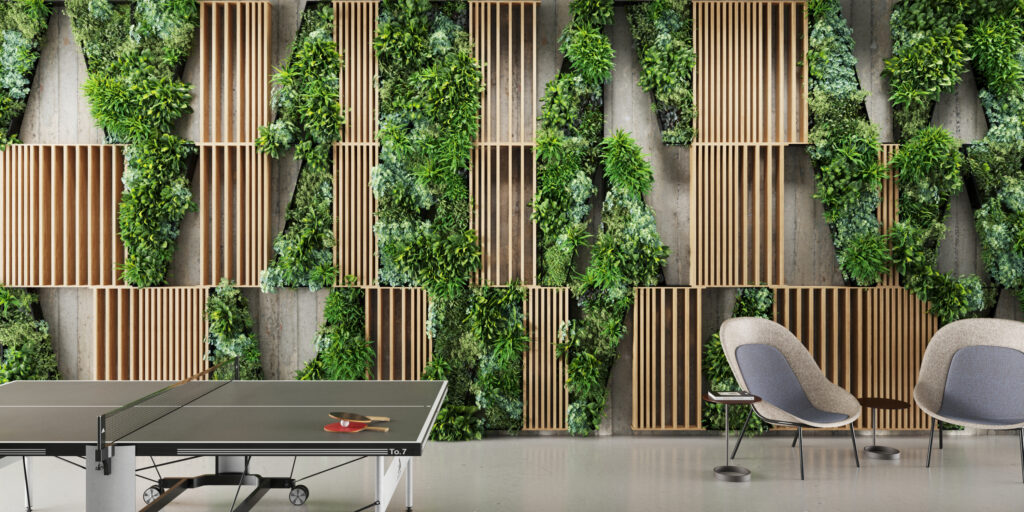
Moving away from plastic materials
For years, many 3D wall panels relied heavily on plastics. But thankfully, that’s changing. A new generation of sustainable materials is emerging, offering viable alternatives without sacrificing durability or design flexibility. We’re seeing a lot of innovation in this space.
Bamboo fiber is a personal favorite because it grows fast and stays rigid. Recycled wood pulp, usually saved from factory floors, is another solid choice. You'll also see PLA made from cornstarch, though I'd keep those away from radiators since they don't handle high heat well.
Perhaps the most intriguing development is the use of mycelium – the root structure of mushrooms – to create panels. These panels are completely biodegradable and offer excellent insulation properties. The trade-off here is often cost; mycelium panels are currently more expensive to produce than some other options.
Whole 3D is actively working with these materials, experimenting with blends and formulations to optimize performance and minimize environmental impact. We've found that a bamboo-PLA composite offers a particularly good balance of cost, durability, and sustainability. It's a material we're very excited about.
- Bamboo fiber composites are strong and renewable, making them the most affordable eco-option.
- Recycled Wood Pulp: Utilizes waste materials, good structural integrity.
- PLA (Polylactic Acid): Plant-based, biodegradable, lower heat resistance.
- Mycelium panels are grown from mushroom roots and insulate well, though they cost more than plant-based plastics.
Sustainable 3D Wall Panel Material Comparison
| Material | Environmental Impact | Durability | Aesthetic Versatility | Typical Applications |
|---|---|---|---|---|
| Bamboo Fiber | Generally Low | Medium | Medium | Feature walls, accent pieces, spaces prioritizing natural textures. |
| Recycled Wood Pulp | Low to Medium | Medium | High | Living rooms, bedrooms, areas seeking a textured, natural look. |
| PLA (Polylactic Acid) | Medium – Bio-based but requires specific disposal | Low to Medium | High | Modern designs, geometric patterns, spaces needing lightweight panels. |
| Mycelium | Very Low – Grown, not manufactured | Medium – Requires sealing | Medium | Unique textures, organic forms, eco-conscious design projects. |
| Recycled Plastic | Medium – Reduces plastic waste | High | Medium | High-traffic areas, moisture-prone rooms, modern/industrial aesthetics. |
| Wood Fiber Composite | Medium – Depends on binder used | High | Medium | Commercial spaces, areas needing robust panels, varied design styles. |
Qualitative comparison based on the article research brief. Confirm current product details in the official docs before making implementation choices.
Sustainable Home
— SMAXY (@smaxynow) April 11, 2026
Transform your home with Eco-Friendly home decor, using natural materials, recycled furniture, indoor plants and energy efficient designs. #Architecture #interiordesign #decor pic.twitter.com/euME90SuVw
Organic shapes and natural textures
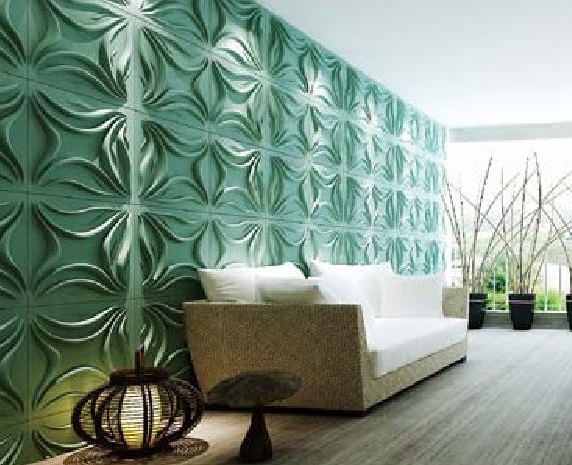
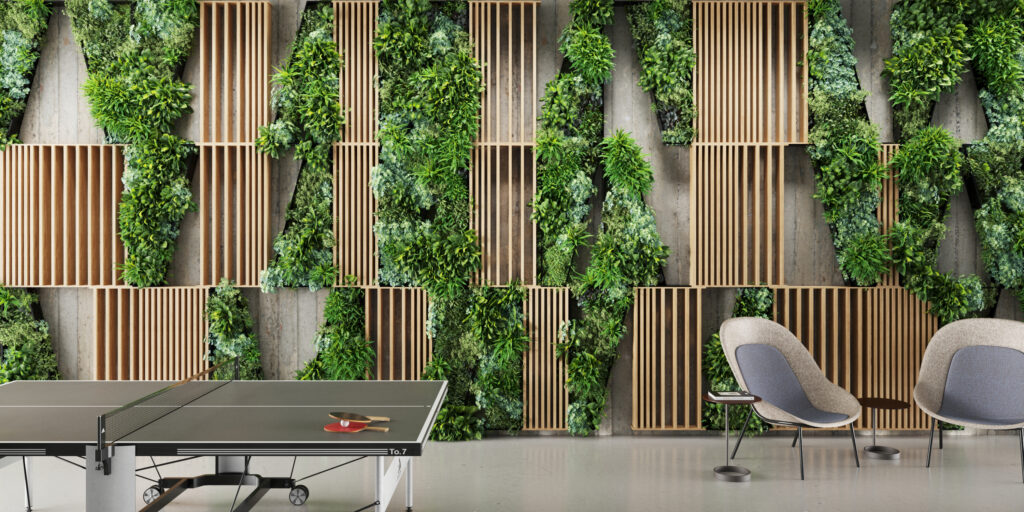
The design aesthetic for sustainable 3D wall panels in 2026 leans heavily into organic forms and textures. We’re seeing a strong preference for biophilic designs, which mimic patterns and shapes found in nature. Think flowing lines, leaf-like structures, and subtly undulating surfaces.
Geometric patterns are still popular, but they’re evolving. Instead of harsh angles, the focus is on softer, more natural geometries inspired by things like honeycomb structures or crystalline formations. These patterns add visual interest without feeling overly artificial.
Texture is also key. Panels with raised or recessed surfaces create depth and dimension, adding a tactile element to the design. We’ve observed that customers are responding well to panels that invite touch and exploration. It’s about creating a more engaging and immersive space.
Looking at our current catalog, the "Forest Echo’ and ‘Coastal Drift’ panels embody these trends beautifully. ‘Forest Echo’ features a subtle, organic pattern reminiscent of tree bark, while ‘Coastal Drift" uses a wave-like texture to evoke the feeling of the ocean.
Installation Simplified: DIY vs. Pro
Installation methods vary depending on the material and design of the 3D wall panel. Thankfully, many options are now designed for ease of installation, making them accessible to DIY enthusiasts. Peel-and-stick panels are particularly straightforward, requiring minimal tools and expertise.
However, some panels, especially those made from heavier materials or those designed for larger surfaces, may require professional installation. This ensures proper adhesion and a seamless finish. It's important to assess your skill level and the complexity of the project before deciding whether to tackle it yourself.
Proper wall preparation is crucial for any installation. The surface should be clean, dry, and smooth. Any imperfections, such as holes or cracks, should be filled and sanded. Tools typically needed include a level, measuring tape, utility knife, and adhesive (if not already applied).
A common mistake is failing to properly plan the layout before starting. We recommend dry-fitting the panels to ensure a consistent pattern and minimize waste. Whole 3D provides comprehensive installation guides and video tutorials to help customers every step of the way. We also offer support via phone and email if you run into any issues.
Beyond Aesthetics: Acoustic & Air Quality
The benefits of 3D wall panels extend far beyond their visual appeal. Their unique structure can significantly improve a room's acoustics by absorbing sound waves and reducing echo. This is particularly valuable in open-plan living spaces or home offices.
Certain materials also contribute to improved indoor air quality. For example, panels made from natural fibers like bamboo or wood pulp can absorb volatile organic compounds (VOCs), which are released by many common household products. This can help create a healthier living environment.
A study published in the Journal of Building Acoustics (2023) demonstrated that 3D wall panels can reduce noise levels by up to 6 decibels, a noticeable difference in perceived loudness. While the exact impact depends on the material and panel design, the acoustic benefits are significant.
Whole 3D panels are designed with these functional benefits in mind. We carefully select materials that not only look good but also contribute to a healthier and more comfortable indoor environment. We believe that good design should enhance both the aesthetic and the wellbeing of a space.
Customization: Making it Truly Yours
One of the biggest advantages of 3D wall panels is the ability to customize them to your specific preferences. Color is an obvious starting point, with a wide range of options available to match your existing décor. But customization goes much further than that.
Panel arrangement allows you to create unique patterns and focal points. You can mix and match different designs, create geometric compositions, or even cover an entire wall with a single, seamless pattern. The possibilities are endless.
Thanks to advancements in 3D printing technology, we can now create truly bespoke panels tailored to individual customer designs. This opens up a world of creative possibilities, allowing you to bring your vision to life.
Whole 3D excels at this level of customization. We offer a design consultation service to help customers develop their ideas and translate them into reality. We can create custom panels in a variety of materials and sizes, ensuring a perfect fit for your space. We see personalization as a core part of our offering.
Cost Breakdown: Investment & Value
The cost of sustainable 3D wall panels varies depending on the material, design complexity, and size of the project. Generally, you can expect to pay between $5 and $20 per square foot, with premium materials like mycelium commanding a higher price.
PLA panels tend to be on the more affordable end, while bamboo fiber composites and recycled wood pulp fall in the mid-range. Custom designs and larger orders may qualify for discounts. It’s important to get quotes from multiple suppliers to compare pricing.
While the initial investment may be higher than traditional wall coverings, sustainable 3D panels offer long-term value. Their durability and sustainability mean they’ll last longer and have a smaller environmental impact. They can also potentially increase property value.
Consider the cost savings associated with improved insulation and reduced noise levels. These panels can help lower energy bills and create a more comfortable living environment, providing a tangible return on investment.
Content is being updated. Check back soon.
No comments yet. Be the first to share your thoughts!