
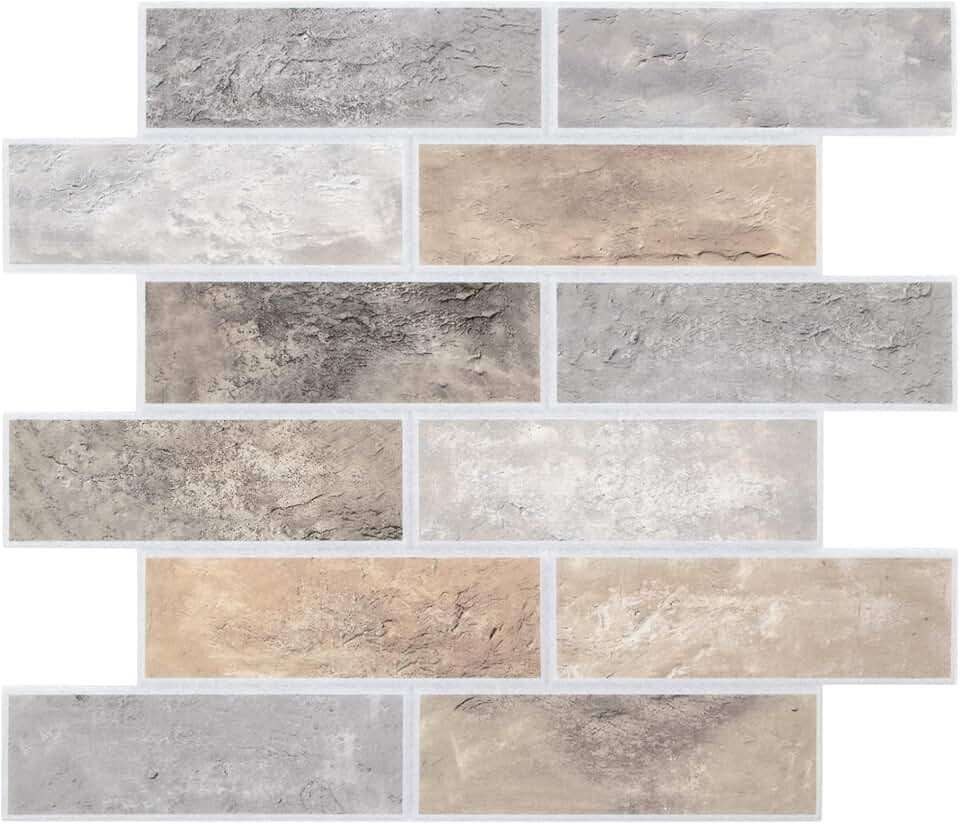

What the Budget Buys
Eco-friendly wall panels offer a wide spectrum of quality, and the price you pay directly correlates with durability, insulation performance, and aesthetic finish. At the entry level, typically between $2 and $5 per square foot, you will find basic recycled plastic or compressed wood fiber panels. These are functional and sustainable, but they often lack the structural rigidity or moisture resistance needed for high-humidity areas like bathrooms without additional sealing.
Mid-range options, costing roughly $5 to $12 per square foot, introduce engineered wood composites and high-density recycled polymers. These materials strike a balance between cost and longevity, offering better acoustic dampening and a more refined texture. They are suitable for most living spaces and provide a noticeable upgrade in feel and environmental impact compared to budget alternatives.
Premium panels, often exceeding $15 per square foot, utilize advanced materials like bamboo composite or specialized mycelium-based substrates. These panels not only excel in thermal efficiency and carbon sequestration but also feature superior finishes that resist warping and fading over time. While the upfront cost is higher, the extended lifespan and reduced maintenance requirements often justify the investment for long-term homeowners seeking a truly sustainable interior.
Models worth checking first
The market for sustainable 3D wall panels is expanding, but not all options offer the same environmental or structural benefits. When selecting panels for a green interior, the focus should be on material composition, manufacturing efficiency, and end-of-life recyclability. Rather than chasing vague "eco-friendly" labels, it is more practical to compare specific models based on their verified attributes.
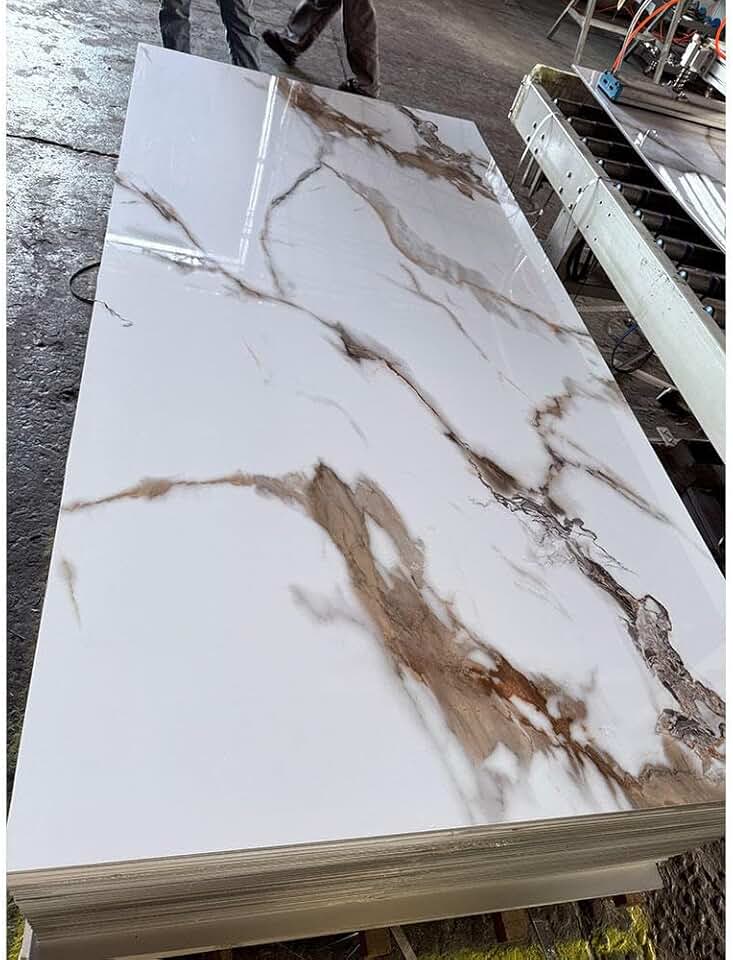
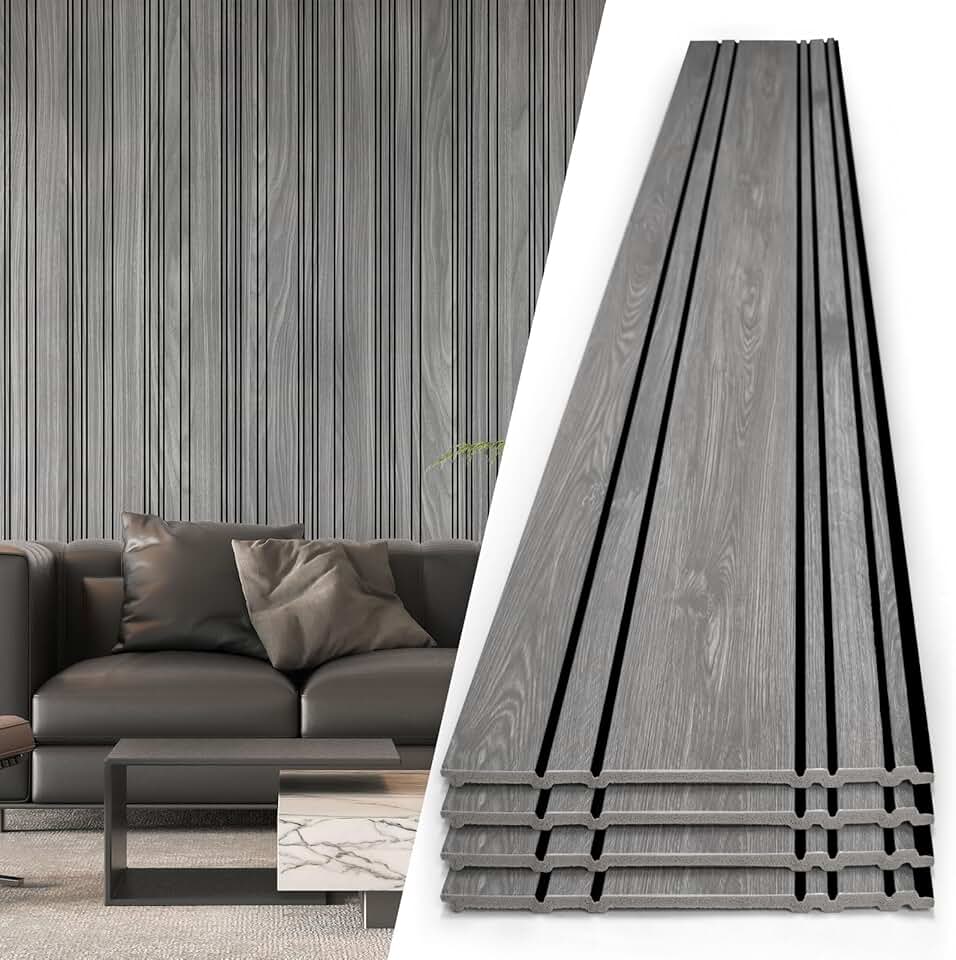
Below is a comparison of three distinct approaches to sustainable 3D wall paneling. These selections represent the strongest current options for homeowners prioritizing low-impact materials without sacrificing aesthetic depth. Note that specifications such as exact pricing and availability may vary by region and retailer.
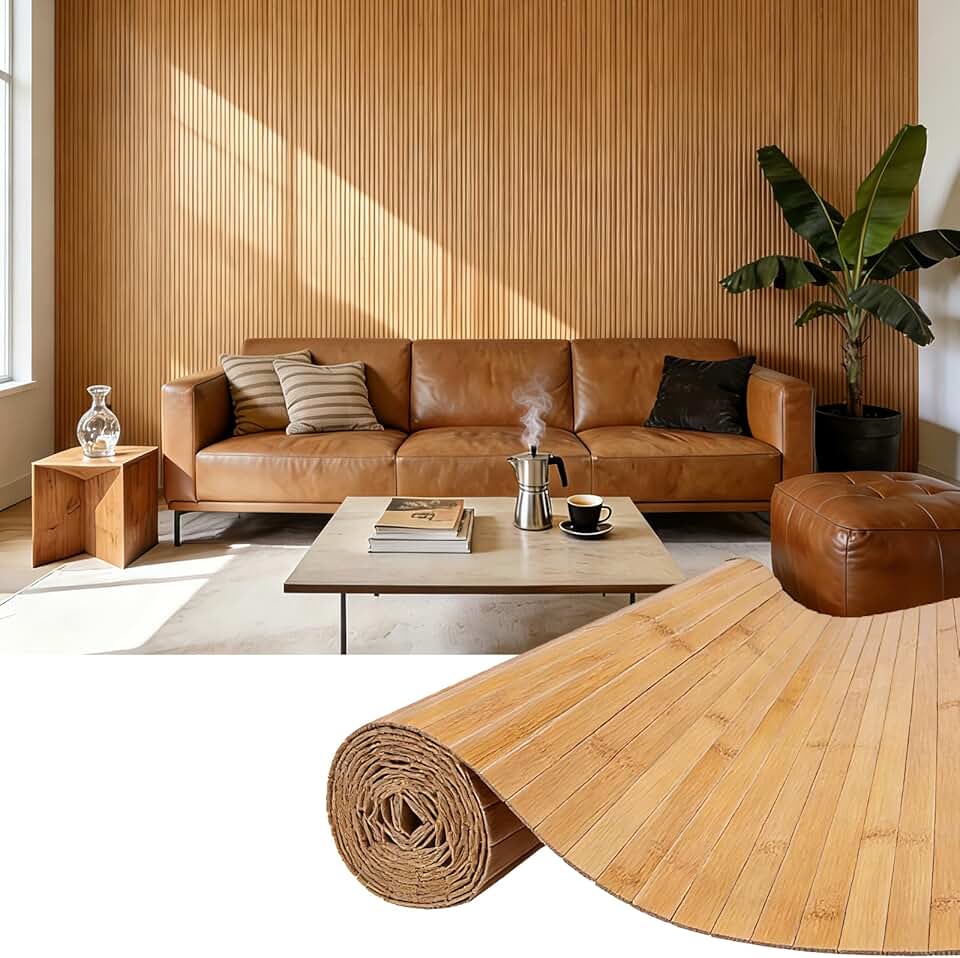
Each of these models addresses sustainability differently. Recycled PET panels offer a durable, moisture-resistant solution ideal for high-traffic areas like kitchens or bathrooms. Bamboo fiber composites provide a warm, natural aesthetic with minimal processing energy. Mycelium panels represent the cutting edge of bio-based construction, offering superior insulation properties while sequestering carbon during growth.
When evaluating these options, consider the lifecycle of the material. PET panels are long-lasting and recyclable, making them a robust choice for permanent installations. Bamboo offers a renewable alternative that ages gracefully but may require more maintenance in humid environments. Mycelium panels are biodegradable but are best suited for interior applications where moisture is controlled.
As an Amazon Associate, we may earn from qualifying purchases.
The choice ultimately depends on your specific project needs. For a quick, low-impact renovation, recycled PET panels provide immediate environmental benefits with minimal disruption. If you prefer natural materials, bamboo offers a renewable option that aligns with biophilic design principles. For those focused on carbon footprint reduction, mycelium panels offer a forward-thinking solution, though they may be less widely available.
By focusing on these specific models, you can make an informed decision that aligns with your sustainability goals and aesthetic preferences. Always verify the latest product specifications with the manufacturer or retailer, as materials and manufacturing processes continue to evolve.
Check Before You Buy
Buying eco-friendly wall panels for a 3D home design is an investment in your home’s longevity. A small oversight in material quality or installation can lead to costly repairs down the line. Use this checklist to inspect key failure points before committing to a purchase.

As an Amazon Associate, we may earn from qualifying purchases.
Costs That Change the Math
The sticker price of eco-friendly wall panels is only the first line item. When evaluating sustainable home design, ownership costs often reveal hidden trade-offs that cheap alternatives don't show until years later. A panel that costs 20% more upfront but requires zero painting or sealing for a decade often wins the long game, while a budget option may demand frequent repairs that erase initial savings.
Maintenance surprises are the most common budget killer. Natural fiber panels, for instance, may require specific sealants to resist humidity in bathrooms or kitchens. Using the wrong cleaner can void warranties or cause warping, turning a simple cleaning routine into a costly restoration project. Always check the manufacturer’s maintenance schedule before buying.
Energy efficiency also plays a role in the total cost of ownership. Panels with high thermal mass or integrated insulation can lower HVAC bills significantly. While this doesn't reduce the panel's purchase price, it reduces the monthly cost of living in the home. For 3D printed or modular wall systems, durability is often higher than traditional drywall, meaning fewer replacements over the life of the house.
When a cheap buy stops being cheap is usually when you factor in labor. DIY-friendly panels save on installation costs, but complex interlocking systems or specialized adhesives might require professional help. If the installation takes twice as long as standard drywall, the labor cost can double the effective price per square foot. Look for products with clear, low-skill installation guides to keep these hidden costs down.
Common questions
Are eco-friendly wall panels actually cheaper than traditional drywall?
The upfront material cost can be higher, but the total installed price often balances out. These panels eliminate the need for separate insulation layers and vapor barriers, reducing labor time significantly. When you factor in the energy savings from improved thermal performance, the return on investment usually appears within a few years.
Do 3D-printed or composite panels hold up against humidity and mold?
Yes, when properly specified. Unlike standard drywall, many sustainable wall systems use closed-cell foam cores or treated wood composites that resist moisture absorption. This makes them ideal for bathrooms, basements, and coastal climates where traditional plasterboard might fail. Always verify the specific material’s moisture rating before installation.
Can I install these panels over my existing walls?
Most modular eco-panels are designed for direct overlay, which minimizes demolition waste. This is a major advantage for renovation projects, as it avoids the dust and debris associated with tearing out old drywall. However, you must ensure the existing wall surface is level and structurally sound to support the new cladding.
Are these panels fire-resistant and code-compliant?
Reputable manufacturers test their products against standard fire ratings, often achieving Class A or B fire resistance. Always check local building codes before purchase, as regulations vary by region. Look for panels that include fire-retardant additives in their core material to ensure safety and compliance without compromising the eco-friendly nature of the build.
No comments yet. Be the first to share your thoughts!