

The shift toward sustainable wall panels
3D wall panels have really taken off in the last few years, and it’s no surprise. They add texture, depth, and a unique visual element to any room. What’s changing now, and quickly, is where people are looking to find those panels. We’re seeing a huge increase in demand for sustainable options – people want beautiful homes, but they also want to minimize their environmental impact.
For a long time, sustainable materials felt like a compromise. But that’s changing. Advances in material science, combined with increased consumer awareness, mean we now have genuinely exciting and high-performing eco-friendly alternatives. This isn’t a fleeting trend; it’s a fundamental shift in how people approach home improvement.
Bamboo, recycled plastics, and mushroom mycelium are the three materials currently leading this shift. Each has different trade-offs regarding moisture resistance and durability, but they all move away from the heavy environmental cost of traditional PVC panels.
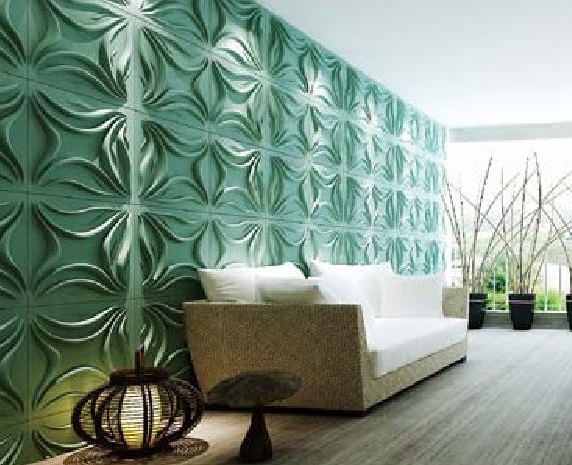
Bamboo fiber
Bamboo is generating a lot of buzz, and for good reason. It’s one of the fastest-growing plants on earth, making it a remarkably renewable resource. Some species can grow up to 36 inches in a single day! This rapid growth means it can be harvested frequently without causing deforestation.
Beyond its renewability, bamboo is surprisingly strong and versatile. When processed into panels, it offers excellent durability and can be finished in a variety of textures and colors. You can find bamboo panels with a smooth, polished look, or those with a more natural, woven texture. It’s strong enough to withstand regular wear and tear, making it suitable for high-traffic areas.
One common concern is moisture resistance. While bamboo itself can be susceptible to water damage, many manufacturers treat the bamboo fibers with protective coatings and resins, increasing their resistance. Look for panels specifically designed for interior use and humidity. Sourcing is also important. Bamboo sourced from responsibly managed forests in Southeast Asia is generally considered the most sustainable.
The process involves harvesting the bamboo, breaking it down into fibers, and then combining those fibers with a binding agent – often a bio-resin – to create the panel. The mixture is then pressed into the desired shape and finish. It's a relatively low-impact process, especially when compared to the production of traditional materials like vinyl or MDF.
Recycled plastics
Using recycled plastic in 3D wall panels is a fantastic way to address the growing plastic waste problem. These panels are typically made from post-consumer plastics – things like water bottles, milk jugs, and other discarded plastics that would otherwise end up in landfills.
The process involves collecting and sorting the plastic waste, cleaning it, and then shredding it into flakes. These flakes are then melted down and molded into the desired panel shape. Different types of plastic – like PET (polyethylene terephthalate) and HDPE (high-density polyethylene) – have different properties, so manufacturers often blend them to achieve the desired strength and flexibility.
Microplastics and off-gassing are the main concerns here. I recommend looking for GREENGUARD certification to ensure low chemical emissions. These panels are usually more water-resistant than wood or bamboo, which makes them better for bathrooms.
While the idea of using plastic might not immediately scream 'sustainable,' it's important to remember that we’re diverting waste from landfills and reducing the need to produce new plastic. It’s a practical solution that addresses a significant environmental challenge.
Mycelium and mushroom growth
Mushroom packaging, also known as mycelium, is a surprisingly effective and sustainable material for 3D wall panels. It’s grown, not manufactured, by using the root structure of mushrooms – the mycelium – to bind together agricultural waste products like hemp or straw.
The process is remarkably simple. The mycelium is introduced to the waste material, and it grows throughout, creating a dense, lightweight structure. This structure is then dried to stop the growth and create a rigid panel. Mycelium offers excellent insulation properties and sound absorption qualities, making it ideal for creating comfortable and quiet spaces.
It's a newer material, so there are some limitations. Mycelium panels are generally not as durable or water-resistant as bamboo or recycled plastic. Design constraints also exist – complex shapes can be difficult to achieve. However, research is ongoing, and these limitations are being addressed. Current panels tend to be best suited for interior applications where moisture isn’t a major concern.
The beauty of mycelium is its biodegradability. At the end of its life, the panel can be composted, returning nutrients to the soil.
Installation and adhesives
The panels are only part of the project. If you use a standard construction adhesive, you're bringing VOCs into your home. I suggest using zero-VOC adhesives like Titebond Solvent Free or similar water-based options to keep the air clean.
Minimize waste during installation. Careful planning and precise cutting are crucial. Before you start, measure your space accurately and create a cutting plan to reduce the amount of scrap material. Explore options for reusing or recycling any leftover panel pieces – some manufacturers may offer take-back programs.
Proper ventilation is essential, especially when using adhesives. Open windows and doors to ensure adequate airflow. Wear a mask if you’re sensitive to fumes. Consider the impact of panel cutting. A clean, precise cut is always preferable, but even small scraps can sometimes be repurposed for smaller projects or art installations.
Think about the bigger picture: are you replacing existing wall coverings? If so, how will you dispose of the old materials responsibly? A sustainable panel loses some of its appeal if the removal process creates a lot of landfill waste.
Design and lighting
Sustainable doesn’t have to mean sacrificing style. In fact, many of the current design trends complement sustainable 3D wall panels beautifully. Neutral color palettes – think earthy tones like beige, gray, and olive green – are particularly popular, creating a calming and organic feel.
Minimalist and Scandinavian designs work exceptionally well with textured panels, adding depth and visual interest without overwhelming the space. Modern farmhouse styles also benefit from the warmth and natural appeal of materials like bamboo. Avoid overly "eco-cliche" choices – steer clear of anything that feels too contrived or overly rustic.
Lighting plays a crucial role in enhancing the texture and depth of the panels. Consider using accent lighting to highlight the patterns and create shadows. Warm-toned lighting can create a cozy and inviting atmosphere, while cool-toned lighting can create a more modern and sophisticated look.
Don’t be afraid to mix and match different textures and materials. A sustainable 3D wall panel can be paired with natural wood furniture, linen fabrics, and other eco-friendly elements to create a cohesive and stylish space.
- Earthy tones like beige, gray, and olive green work best with these textures.
- Minimalist and Scandinavian furniture helps the wall stand out without the room feeling cluttered.
Trending Sustainable Panels
- Bamboo Composite Panels - Increasingly popular for their rapid renewability and strength, bamboo composite panels offer a natural aesthetic and are often used in feature walls. They pair well with natural fiber rugs and low-VOC paints.
- Reclaimed Wood 3D Panels - Utilizing salvaged wood minimizes deforestation and adds unique character. These panels often feature varying textures and tones, complementing rustic or farmhouse-style interiors.
- Cork 3D Wall Coverings - Harvested from the bark of cork oak trees without harming the tree, cork is a naturally sustainable and sound-absorbing material. It’s gaining traction for home offices and media rooms.
- Plant Fiber Panels (Hemp, Kenaf) - Panels made from rapidly renewable plant fibers like hemp and kenaf are lightweight and biodegradable. They often have a textured surface and can be finished with natural oils or waxes.
- Recycled Plastic 3D Tiles - Utilizing post-consumer recycled plastics diverts waste from landfills. These tiles are durable, water-resistant, and suitable for bathrooms or kitchens. Look for panels certified by organizations like SCS Global Services.
- Mushroom Packaging Panels - Grown from mycelium (the root structure of mushrooms) and agricultural waste, these panels are fully compostable and offer excellent insulation. While still emerging, they represent a truly innovative sustainable option.
- Agri-Fiber Panels (Wheatboard, Strawboard) - Created from agricultural byproducts, these panels reduce waste and offer a natural, textured finish. They are often used in accent walls or decorative features.
No comments yet. Be the first to share your thoughts!