

Nature's Return: The Rise of Biophilic Design
There's a shift happening in how we think about interior spaces. People are actively seeking ways to reconnect with nature, even within their homes. This isn’t a new idea, but it’s gaining serious momentum. We call it biophilic design – and it’s about so much more than just adding a few houseplants.
The term 'biophilia' was popularized by biologist Edward O. Wilson in the 1980s, and it speaks to our innate human connection to the natural world. Research consistently demonstrates that exposure to nature reduces stress, improves cognitive function, and boosts overall well-being. It’s a fundamental part of what makes us feel good.
In 2026, this desire for nature-infused spaces is driving a surge in popularity for organic interior design and wellness home concepts. People are prioritizing environments that support their physical and mental health. And that’s where textured wall panels come in. They offer a powerful way to bring the calming, restorative qualities of nature indoors, transforming rooms into sanctuaries.
3D wall panels aren’t just a trend; they represent a thoughtful response to our inherent need for connection with the natural world. They are an accessible way to shift the feeling of a room, and to consciously create a more grounding and peaceful environment.
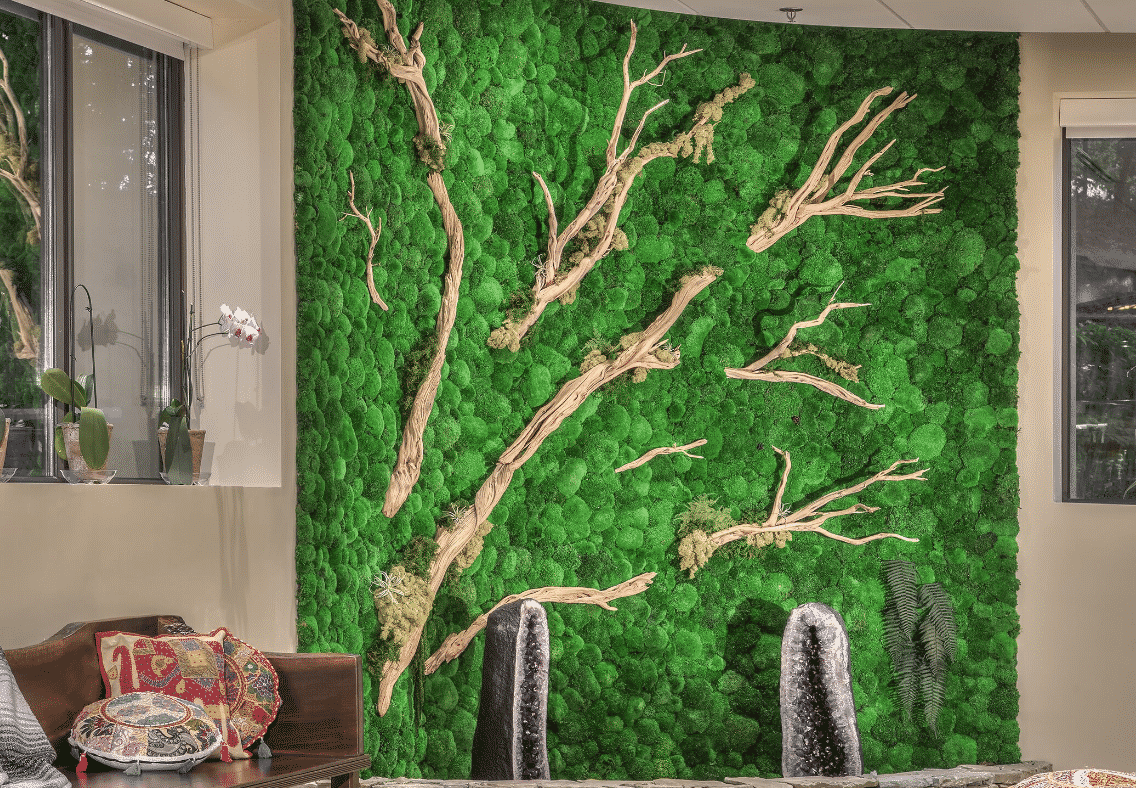
Decoding Biophilic Elements in Wall Design
Biophilic design isn’t simply about depicting nature; it’s about emulating it. It’s about incorporating elements that resonate with our evolutionary past. This translates into several key components when we consider wall design.
Natural light and ventilation are foundational. While panels don’t directly impact these, their color and texture can enhance how we perceive light. Then there are the materials themselves – wood, stone, and other organic textures. Patterns are also crucial, mirroring the fractal designs found throughout nature, like leaf veins or branching trees. Shapes, too, play a role; curves and organic forms feel more natural than harsh angles.
The SERENE HOME YouTube video from March 25, 2026, beautifully illustrates how biophilic design creates modern open spaces for a healing home. The video emphasizes blending nature with thoughtful design, and we see this echoed in the use of natural materials and flowing forms. This is something we see reflected in the popularity of textured wall panels.
When choosing 3D panels, consider what kind of natural environment you want to evoke. Wood grain patterns can bring a sense of warmth and forest bathing, while stone effects offer a grounding, earthy feel. Leaf patterns can add a delicate, organic touch. It's about creating a sensory experience that connects you to nature.
Material Matters: Choosing the Right Panels
The materials used in 3D wall panels significantly impact both their aesthetic and their biophilic qualities. At Whole 3D, we offer a range of options, each with its own unique characteristics. Wood is a classic choice, bringing warmth and a natural texture, but it can be more expensive and requires careful sourcing to ensure sustainability.
Bamboo is a rapidly renewable resource that offers a similar aesthetic to wood, often at a lower price point. Plant fibers, like those derived from sugarcane or hemp, are gaining traction as eco-friendly alternatives, offering unique textures and a light environmental footprint. Recycled plastics are another option, offering durability and a chance to repurpose waste materials, though they may not feel as 'natural' as other choices.
Each material has its trade-offs. Wood is durable but can be susceptible to moisture damage. Bamboo is sustainable but may be less resistant to scratches. Plant fibers are eco-friendly but can be more delicate. Recycled plastics are cost-effective and durable but may lack the warmth of natural materials. Consider your budget, lifestyle, and environmental priorities when making your selection.
Sustainability is a huge factor for many customers, and rightly so. Choosing materials from responsible sources reduces your environmental impact and contributes to a healthier planet. We at Whole 3D are committed to offering increasingly sustainable material options in our panels, and we clearly label the source and composition of each product.
- Wood: Warm, natural, durable (but can be expensive and require sustainable sourcing).
- Bamboo: Rapidly renewable, similar aesthetic to wood, often more affordable.
- Plant Fibers: Eco-friendly, unique textures, lightweight (but can be delicate).
- Recycled Plastics: Durable, cost-effective, repurposes waste (but may not feel 'natural').
Comparative Analysis of 3D Wall Panel Materials for Biophilic Design (2026)
| Material | Cost | Durability | Sustainability | Aesthetic Versatility | Ease of Installation |
|---|---|---|---|---|---|
| Wood | Medium | High | Medium (dependent on sourcing) | High | Medium |
| Bamboo | Medium | Medium | High | Medium | Medium |
| Recycled Plastic | Low to Medium | High | High | Medium | High |
| PLA (Polylactic Acid) | Medium | Medium | Medium to High (biodegradable under specific conditions) | Medium | Medium |
| Wood Fiber Composite | Medium | Medium to High | Medium | High | Medium |
| Cork | Medium | Low to Medium | High | Medium | High |
| Paper-Based (Molded Pulp) | Low | Low | High (recyclable, compostable) | Low to Medium | High |
Illustrative comparison based on the article research brief. Verify current pricing, limits, and product details in the official docs before relying on it.
Installation: A Surprisingly Simple Process
One of the biggest misconceptions about 3D wall panels is that installation is difficult. It’s simply not true – especially with panels from Whole 3D. We’ve designed our panels to be lightweight and easy to work with, minimizing the hassle and making it a DIY-friendly project.
Many of our panels feature a peel-and-stick backing, making installation as simple as removing the protective film and pressing the panel onto the prepared wall surface. Others utilize an interlocking system, allowing you to seamlessly connect panels without the need for adhesives. The specific method will vary depending on the panel style, so always refer to our detailed installation guides.
Proper wall preparation is key. The surface needs to be clean, dry, and smooth. Fill any holes or cracks, and prime the wall if necessary. This ensures a strong bond and a flawless finish. We always recommend testing a small section first to confirm adhesion and ensure you’re happy with the results.
Achieving a seamless look is also easier than you might think. Carefully align the panels, ensuring the patterns match. Use a level to ensure the panels are straight, and a utility knife to trim any excess material. With a little patience and attention to detail, you can create a professional-looking accent wall or full-room transformation.
- Step 1: Prepare the wall surface (clean, dry, smooth).
- Step 2: Remove the protective backing (for peel-and-stick panels).
- Step 3: Carefully align and press the panel onto the wall.
- Step 4: Repeat for adjacent panels, ensuring a seamless fit.
- Step 5: Trim excess material with a utility knife.
Design Ideas: Rooms Transformed
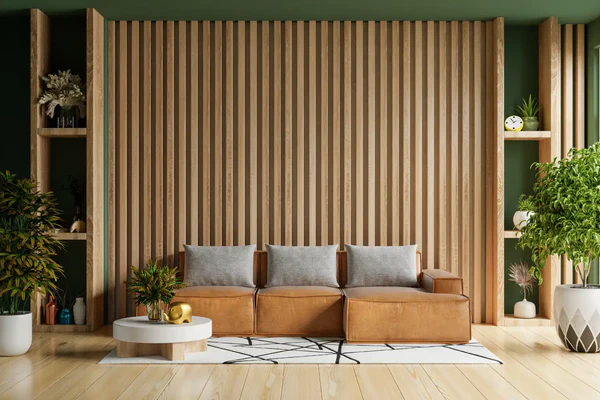
The beauty of biophilic 3D wall panels is their versatility. They can be used to create stunning focal points in any room of the house. In the living room, an accent wall behind the sofa can instantly add texture and visual interest. Consider a wood-grain pattern to create a warm and inviting atmosphere.
Bedrooms benefit from calming, nature-inspired textures. A panel with a subtle leaf pattern can create a serene and restful environment. In a home office, a textured wall can enhance creativity and focus. A stone-effect panel can bring a sense of grounding and stability. Even bathrooms can benefit – using moisture-resistant panels to create a spa-like retreat.
Don’t be afraid to experiment with different combinations. You can mix and match different panel styles to create a unique and personalized look. Consider incorporating other natural elements, like plants, wood furniture, and natural fabrics, to further enhance the biophilic effect. Whole 3D’s home decor ideas section showcases numerous examples of successful panel applications.
Think beyond just walls. Panels can also be used to create unique headboards, room dividers, or even decorative panels for ceilings. The possibilities are endless. The goal is to create a space that feels connected to nature and supports your well-being.
Beyond Aesthetics: Wellness Benefits
The benefits of biophilic design extend far beyond aesthetics. Exposure to natural textures and patterns has a profound impact on our psychological and physiological well-being. Research shows that these elements can reduce stress hormones, lower blood pressure, and improve mood.
The patterns found in nature – like fractals – are inherently calming to the human brain. They create a sense of order and predictability, which can reduce anxiety and promote relaxation. Textured surfaces also engage our sense of touch, grounding us in the present moment and reducing feelings of stress.
The SERENE HOME video highlights the concept of creating "healing homes" – spaces that actively support our physical and mental health. Biophilic design is a cornerstone of this approach, and 3D wall panels are a powerful tool for bringing those principles into your own home.
In a world that’s increasingly dominated by technology and artificial environments, creating spaces that connect us to nature is more important than ever. Biophilic design isn’t just about making our homes look beautiful; it’s about creating environments that nurture our well-being and enhance our quality of life.
Maintenance & Longevity: Keeping Nature Fresh
Maintaining your Whole 3D panels is surprisingly straightforward. Regular dusting with a soft cloth is usually sufficient to keep them looking their best. For more stubborn dirt or grime, you can use a mild soap and water solution. Avoid harsh chemicals or abrasive cleaners, as these can damage the surface.
The durability of your panels will depend on the material they’re made from. Wood panels may require occasional oiling or sealing to protect them from moisture. Bamboo panels are relatively low-maintenance but should be kept away from direct sunlight to prevent fading. Plant fiber panels may be more susceptible to damage, so handle them with care.
We at Whole 3D provide detailed maintenance guidelines for each of our panel products. These guidelines include specific instructions on cleaning, repair, and protection. Following these recommendations will help ensure your panels last for years to come.
Minor scratches or imperfections can often be repaired with a touch-up pen or wood filler. For more significant damage, contact our customer support team for assistance. With proper care, your biophilic 3D wall panels will continue to bring the beauty and benefits of nature into your home for years to come.
No comments yet. Be the first to share your thoughts!