

First Impressions: What 3D Panels Offer
Remember that feeling when you walk into a room and it just feels right? Often, it's the texture and depth that create that atmosphere. If you’re looking for a relatively quick way to dramatically change a space, 3D wall panels are worth considering. They offer an instant injection of texture and design impact, without the commitment – or mess – of a full renovation.
These panels aren't just about looking good; they're about altering the entire feel of a room. A bedroom can become a cozy retreat, a living room a modern showpiece, and a home office a space that inspires. The options are surprisingly versatile. You can find them in materials like PVC, wood fiber, and even metal, each offering a different look and feel.
What's particularly appealing is how accessible this project is. Forget needing a contractor or specialized skills. With a little patience and the right tools, even a complete beginner can achieve professional-looking results. We at Whole3D believe everyone deserves a beautiful home, and our panels are designed to make that achievable.
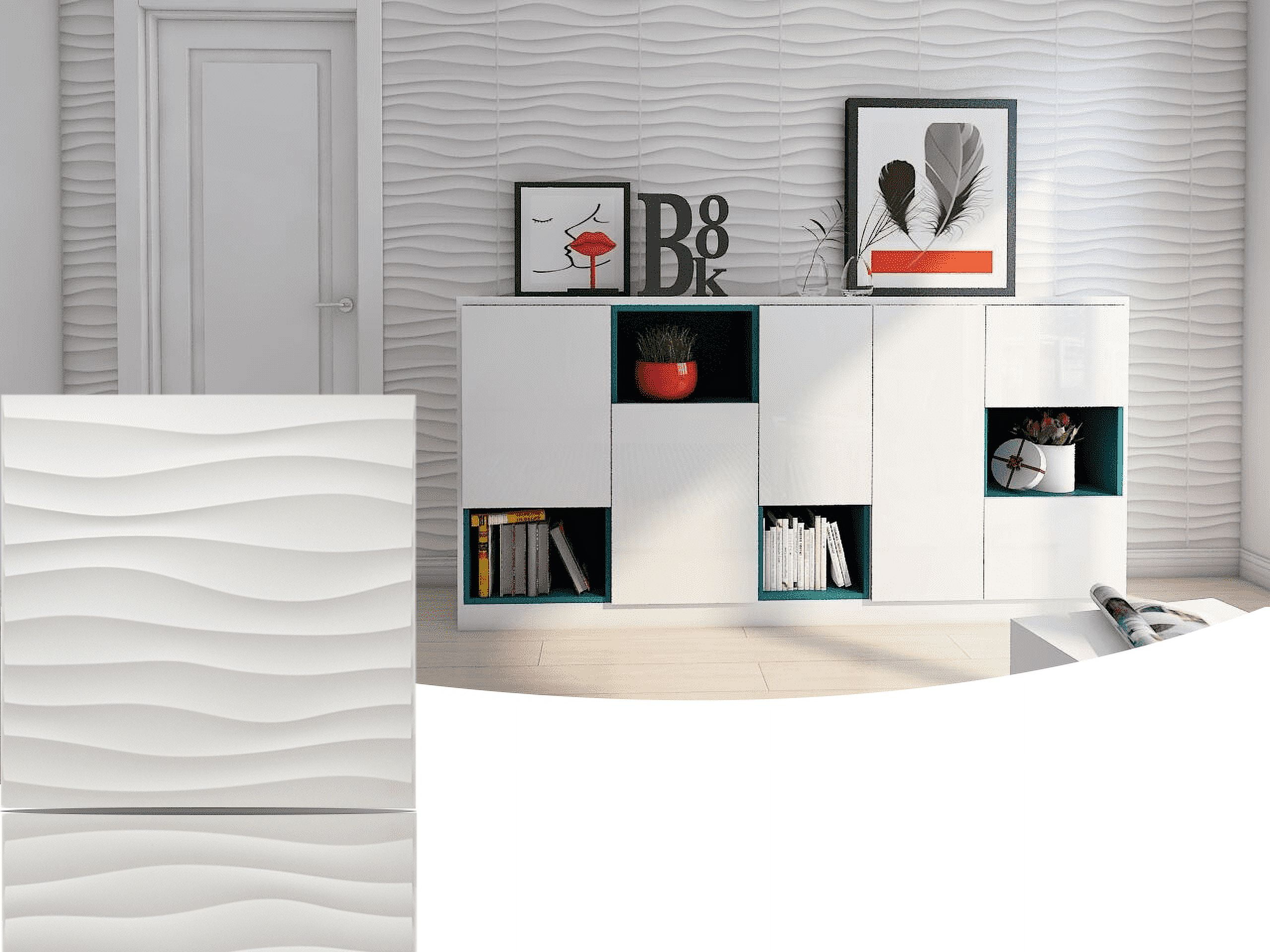
The range of styles available is also impressive. From geometric patterns to organic textures, there's a panel to suit every taste and décor. And because they're relatively lightweight, they won't add significant stress to your walls. They’re a great alternative to wallpaper or paint when you want something with a bit more presence.
Tools You'll Actually Need
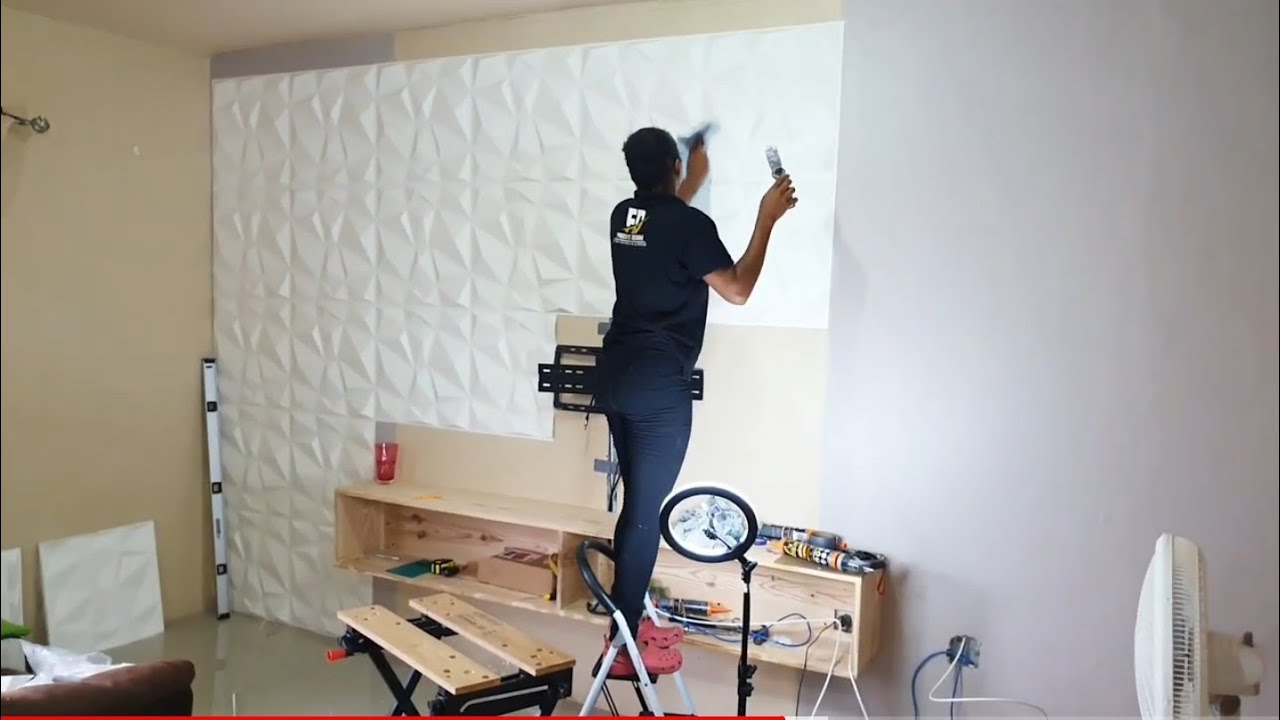
Let’s be honest, some DIY projects demand a fully stocked workshop. Thankfully, 3D panel installation isn't one of them. We're aiming for a project that's approachable, and that starts with keeping the tool list manageable. You'll need a measuring tape to accurately size your wall and panels, a level to ensure straight lines, and a utility knife for trimming.
Construction adhesive is the real workhorse here. For Whole3D panels, we recommend looking for adhesives specifically formulated for use with PVC or wood fiber – depending on your panel material. A good caulk gun is essential for applying the adhesive evenly. And don't forget a damp cloth for wiping away any excess adhesive.
While not essential, a panel cutter can be a worthwhile investment if you anticipate needing to make a lot of precise cuts. Safety glasses are always a good idea when working with tools, especially when cutting materials. The goal is to keep things simple and safe, avoiding unnecessary expenses or complexity.
Before you start, remember basic safety. Work in a well-ventilated area, wear gloves if you have sensitive skin, and always follow the manufacturer’s instructions for the adhesive. A little preparation goes a long way in ensuring a smooth and safe installation.
- Measuring tape
- Level
- Utility knife
- Construction adhesive (compatible with panel material)
- Caulk gun
- Damp cloth
- Safety glasses (recommended)
- Panel cutter (optional)
Prep Work: The Foundation of Success
This is the stage that separates a professional-looking installation from one that feels…less so. Don’t skip steps here. Start by thoroughly cleaning the wall. Remove dust, grease, and any loose debris. A clean surface is vital for proper adhesion, and any contaminants will interfere with the adhesive’s ability to bond effectively.
Next, address any damage. Fill holes and cracks with spackle or drywall compound, and sand smooth once dry. If your wall has a glossy paint finish, consider lightly sanding it to create a better surface for the adhesive to grip. Priming the wall can also be beneficial, especially if the surface is porous or uneven.
Accurate measurement is critical. Measure the area you plan to cover and calculate how many panels you’ll need. Don't forget to account for waste, particularly if you're working with patterned panels that require specific alignment. I'd suggest adding 10-15% extra to your order to be on the safe side. It’s always better to have a little too much than not enough.
Finally, map out your layout. Consider where you want the seams to fall and how the pattern will flow. Dry-fitting the panels before applying adhesive can help you visualize the final result and identify any potential issues. Taking the time to prepare properly will save you headaches down the line.
Adhesive Application: Getting it Right
Now we get to the core of the installation. The way you apply the adhesive is crucial for a secure and long-lasting bond. The amount of adhesive needed will vary depending on the panel material and the manufacturer’s recommendations, so always check the instructions. Generally, you want a generous, but not excessive, amount.
The application pattern also matters. For smaller panels, dots or zigzags of adhesive may be sufficient. For larger panels, a more extensive coverage is recommended. Avoid applying adhesive directly to the edges of the panel, as this can cause it to ooze out when pressed against the wall. Instead, focus on the central areas.
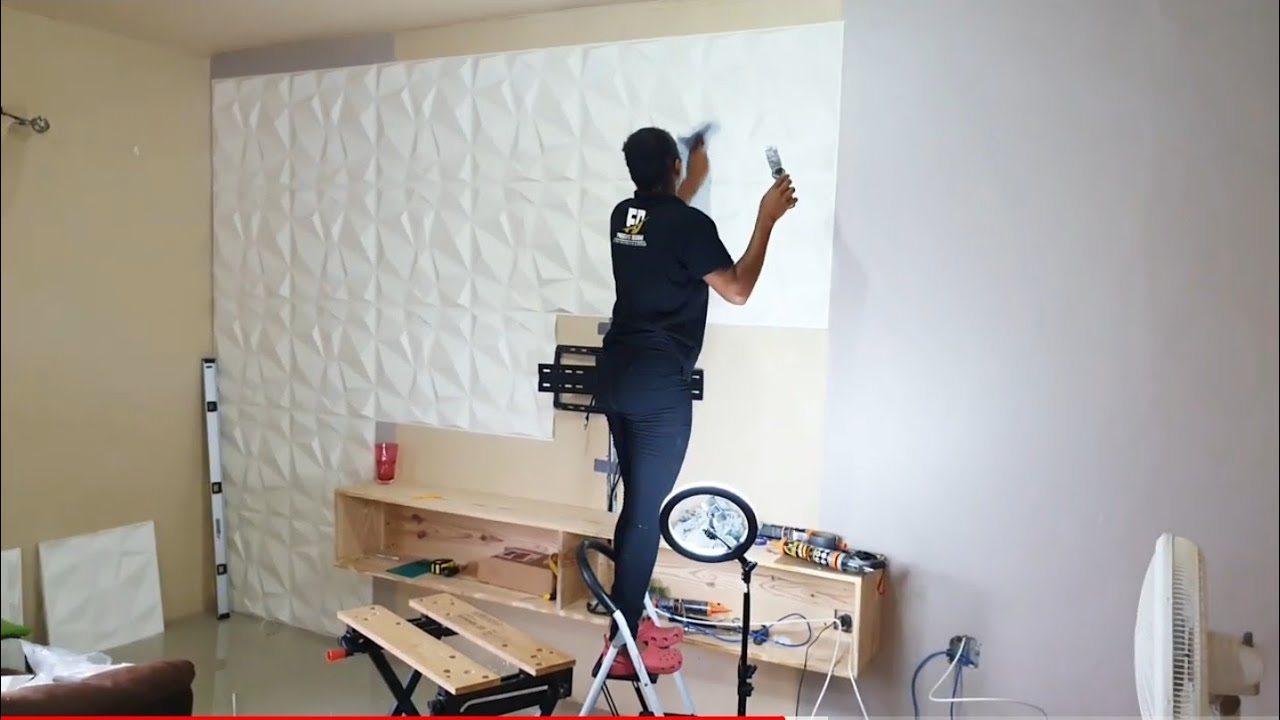
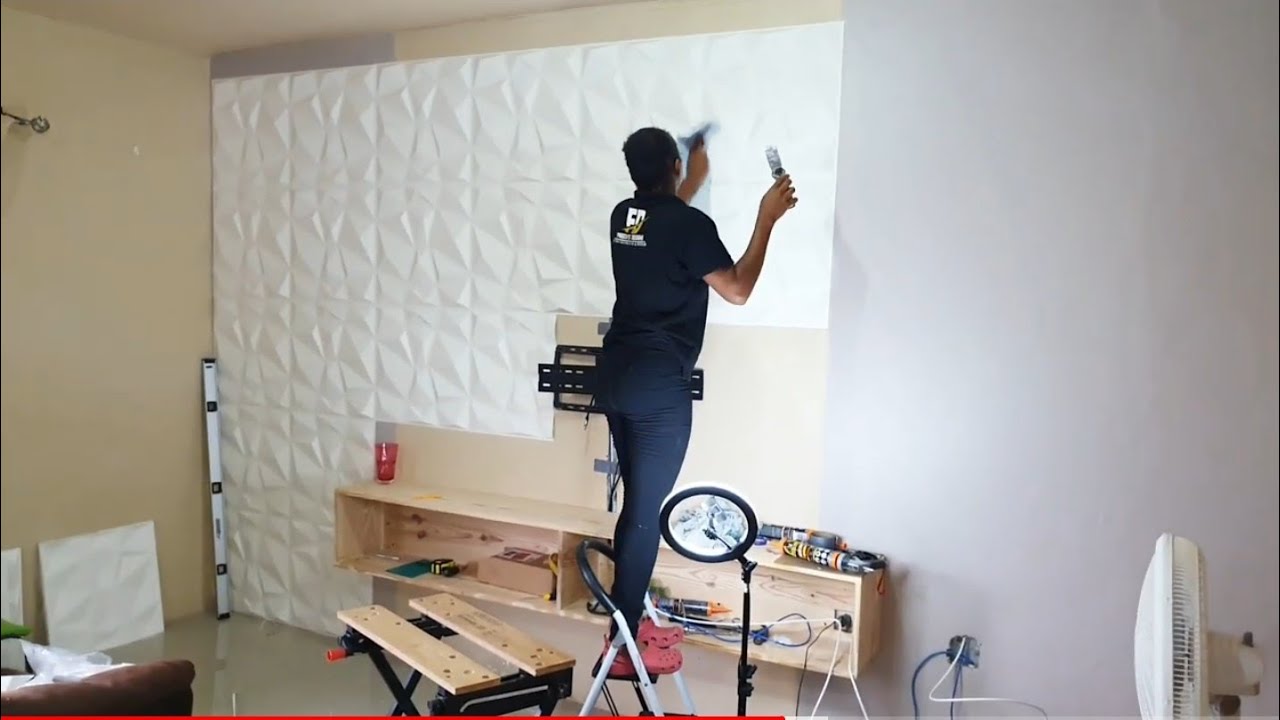
Once the adhesive is applied, carefully position the panel on the wall. Ensure it's level and aligned with your layout. Press firmly and evenly across the entire surface. Work in small sections to prevent the adhesive from drying out before you have a chance to secure the panel. This is especially important in warmer temperatures.
If adhesive does ooze out, wipe it away immediately with a damp cloth. Don’t wait for it to dry, as it will be much harder to remove. Remember, patience is key. Take your time and ensure each panel is properly positioned before moving on to the next. Rushing the process can lead to mistakes and a less-than-satisfactory result.
It’s also important to consider the weight of the panels. Some heavier panels might benefit from temporary support while the adhesive sets. Masking tape can be used to hold the panels in place for a few hours, ensuring a strong bond.
Cutting and Fitting: Around Obstacles
Walls are rarely perfectly square or free of obstacles. You'll inevitably encounter outlets, light switches, and corners that require careful cutting and fitting. Accurate measurement is paramount here. Use a measuring tape to determine the exact dimensions of the area you need to cut, and transfer those measurements to the panel.
A utility knife is sufficient for cutting most panels, but a panel cutter can provide cleaner, more precise edges. When cutting around outlets or switches, it's best to cut slightly smaller than the opening and then file or sand the edges to achieve a perfect fit. Remember to turn off the power to the outlet or switch before working near it.
Handling corners can be tricky. Inside corners typically require a 45-degree miter cut on both panels. Outside corners may require a more complex cut, depending on the panel’s design. It’s helpful to practice on scrap pieces first to get a feel for the cutting process.
Don’t be afraid to take your time and make multiple passes with the utility knife. It’s better to cut slowly and accurately than to rush and make a mistake. This is where the project can get challenging, so patience and attention to detail are essential. If you’re unsure about a particular cut, consult the Whole3D installation guide or seek advice from a professional.
Finishing Touches: Seams and Edges
With the panels installed, it’s time to refine the look and create a seamless finish. Inspect the seams between the panels and fill any small gaps with caulk. Choose a caulk color that matches the panel as closely as possible. Apply the caulk sparingly and smooth it out with your finger or a damp cloth.
Clean up any excess adhesive that may have squeezed out during installation. A damp cloth and a mild cleaning solution should be sufficient. Be careful not to damage the panel surface while cleaning.
Some panels may have a protective film that needs to be removed after installation. Carefully peel off the film, starting from one corner. Avoid using sharp objects that could scratch the panel surface. Removing the film will reveal the true color and texture of the panel.
These finishing touches might seem minor, but they can make a significant difference in the overall appearance of your installation. A little attention to detail will elevate your project from good to great.
Design Ideas: Beyond the Basics
Now for the exciting part: bringing your vision to life! 3D wall panels aren’t just for entire walls. Consider creating an accent wall in your living room or bedroom to add a focal point. They also work beautifully as headboards, adding depth and texture to your sleeping space.
In a home office, panels can create a more inspiring and productive environment. And don't limit yourself to indoor applications. Some Whole3D panels are designed for outdoor use, allowing you to add a unique touch to your patio or garden. Check product specifications for outdoor suitability.
Experiment with different panel styles and colors to create a look that reflects your personal taste. Mix and match textured panels with smooth panels for contrast. Don't be afraid to get creative and think outside the box. We have a gallery of customer projects on our website for inspiration.
Consider using panels to highlight architectural features or to conceal imperfections in your walls. They can also be used to create a sense of depth and dimension in small spaces. The possibilities are endless. Visit Whole3D website to browse our full collection and see what others have created.
Troubleshooting: Common Issues & Fixes
Even with careful preparation, you might encounter a few hiccups during installation. One common issue is panels not sticking properly. This is usually caused by an insufficient amount of adhesive or a dirty surface. Try applying more adhesive and pressing the panel firmly against the wall. If the problem persists, you may need to remove the panel and start over.
Uneven seams can be addressed with caulk. Fill the gaps with caulk and smooth it out for a seamless look. Adhesive oozing out can be cleaned up with a damp cloth, but it’s easier to prevent it by applying the adhesive carefully. If a panel gets damaged during installation, it’s often possible to repair it with patching compound or by replacing it with a new panel.
If you're struggling with a particular issue, don't hesitate to consult the Whole3D installation guide or contact our customer support team. We're here to help you achieve a successful installation. Remember, most problems are fixable with a little patience and effort.
However, if the issue is beyond your DIY skills or involves structural damage to your wall, it’s best to call a professional. Don’t attempt repairs that you’re not comfortable with. Your safety and the integrity of your home are the top priorities.
What is your biggest concern when considering a DIY 3D wall panel installation?
Vote below!
No comments yet. Be the first to share your thoughts!