

Beyond Texture: AI and the Walls of 2026
The smart home has long been a concept more than a reality. While voice assistants, automated lighting, and remote thermostats exist, they often feel like add-ons rather than core components. By 2026, this is changing, with walls becoming a focal point. AI-responsive 3D wall panels are set to redefine interior design, transforming spaces into dynamic, living environments.
These wall panels go beyond traditional wallpaper, featuring embedded sensors and AI. They can respond to their surroundings and occupants, integrating intelligence seamlessly into the home's structure. The goal is walls that adapt and enhance daily experiences.
Current smart home systems often feel fragmented, requiring multiple apps for different devices. AI-responsive 3D wall panels provide a unifying element for control and expression. Imagine walls that subtly adjust ambient lighting to your mood or shift texture to match music. This represents a future where homes are intelligent companions.
This vision is becoming a reality through the convergence of advanced materials science, affordable sensors, and sophisticated AI algorithms.
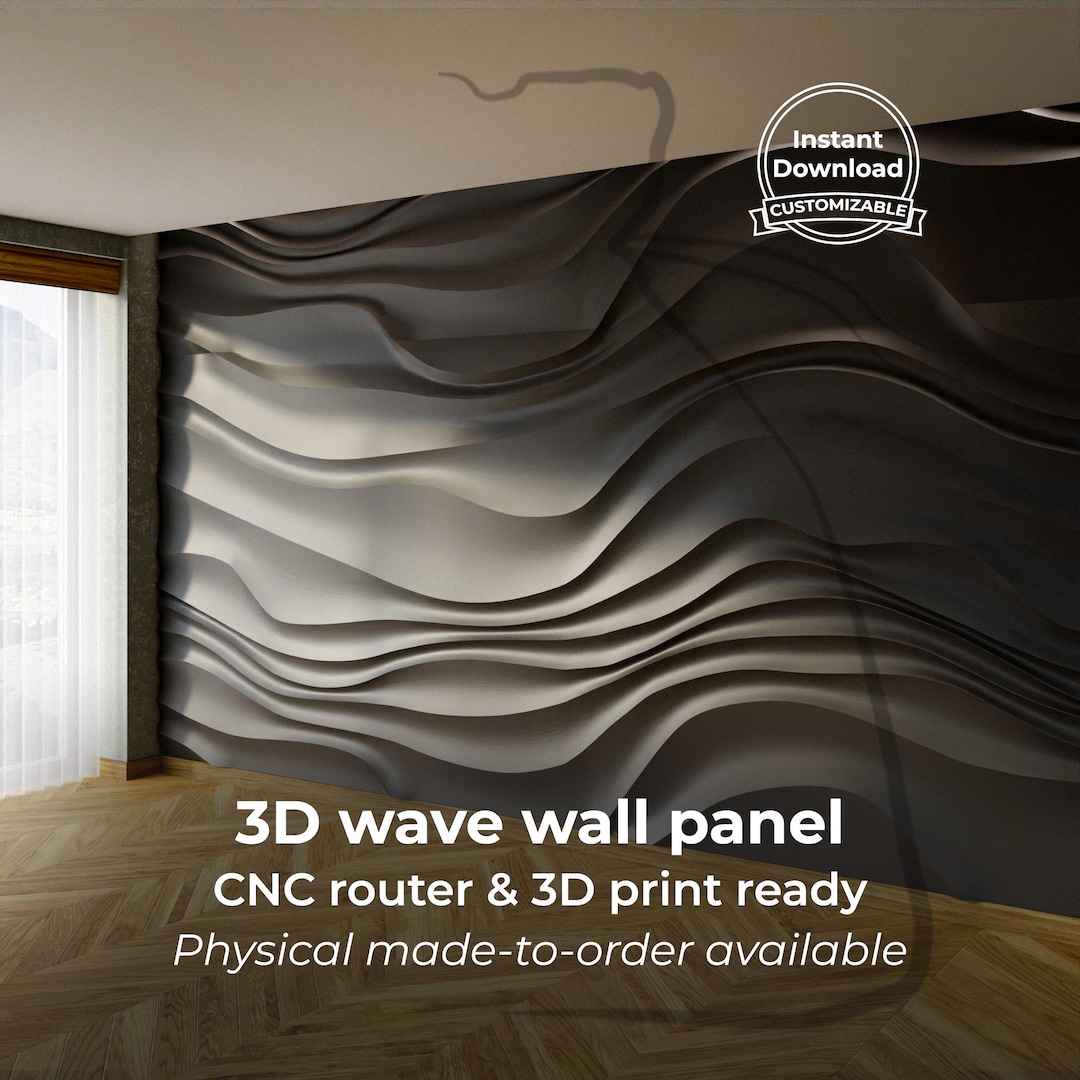
The Rise of Reactive Architecture
AI-responsive panels use integrated sensors to monitor temperature, light, sound, motion, and air quality. This data feeds into an AI algorithm that learns user preferences, allowing the walls to adapt to individual needs and habits.
The AI learns to anticipate needs beyond pre-programmed schedules. For instance, if it detects a pattern of dimming lights and playing calming music after a stressful work call, it might proactively adjust the panels for a more relaxing atmosphere. Panels could also shift color subtly to reflect a perceived mood.
Materials are as crucial as the technology. Traditional wall coverings lack the adaptability for AI responsiveness. Specialized materials like textured polymers and advanced composites, used by companies like Whole3D, offer durability and adaptability for subtle shifts in color, texture, and shape.
Panels are currently constructed from a bio-resin composite, chosen for its flexibility and responsiveness to light. Experiments with shape-memory alloys could enable panels to physically morph. These materials focus on creating an interactive and immersive environment through responsive surfaces.
- Light Sensors: Detect ambient light levels and adjust panel brightness accordingly.
- Sound Sensors: Respond to music, speech, and other sounds by changing color or texture.
- Temperature Sensors: Monitor room temperature and contribute to climate control.
- Motion Sensors: Detect movement and activate dynamic displays or lighting effects.
This AI home design app is making $1million and its onboarding is the reason why.
— César Álvarez (@cesaralvarezll) March 27, 2026
Onboarding
- Gets straight to the point
- Fully interactive with real demos
- Shows the value instantly
Paywall
- Continues reinforcing the value with examples
- Simple pricing: one-time, yearly… https://t.co/H2i3CMOcNF pic.twitter.com/9C7Zr1DKmD
Design Styles: 2026 and Beyond
AI-responsive panels will significantly influence interior design trends in 2026 and beyond, shifting aesthetics from static to fluid and adaptable. The demand is for environments that evolve with moods and lifestyles, moving away from long-term commitments to single paint colors.
Personalization is expected to be a major trend, with people seeking walls that reflect individual tastes rather than just following trends. This will increase the emphasis on custom designs, unique patterns, and textures. AI-responsive panels can support biophilic design by mimicking natural elements like changing leaf patterns or flowing water.
Whole3D’s 2024 trend report indicates growing popularity for organic, flowing forms and a resurgence of Art Nouveau-inspired designs. AI-responsive panels can animate these styles, creating a sense of movement and dynamism.
Beyond replicating existing styles, this technology opens new possibilities, from hyper-minimalist designs where walls blend seamlessly into spaces, to futuristic aesthetics with bold patterns and colors.
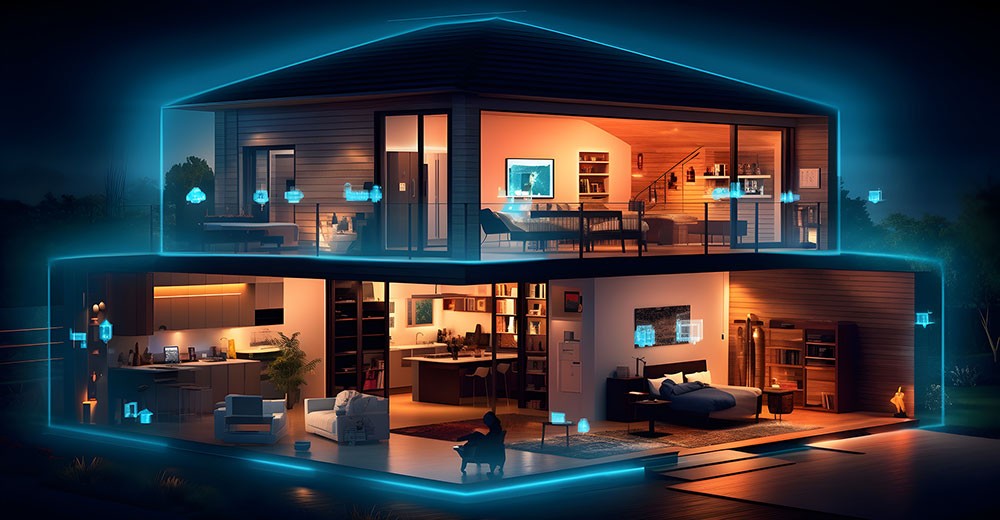
Installation and Customization: Easier Than You Think
Concerns about smart home technology often center on complex installation and professional costs. Installing AI-responsive 3D wall panels is designed to be straightforward, even for those with limited DIY experience.
Panels adhere with a strong, removable adhesive, requiring no specialized tools or skills. Detailed installation guides and video tutorials are provided. The design aims for accessibility beyond tech-savvy homeowners.
Customization includes a wide range of pre-designed patterns and textures, or the creation of custom designs via an online tool. A 3D printing service is available for unique ideas, offering a personalized space.
Post-installation customization is also available. While the AI learns preferences and adjusts panels, users can manually override settings and create custom scenes, ensuring walls reflect individual style and mood.
Integration with Existing Smart Home Ecosystems
The power of AI-responsive 3D wall panels lies in their seamless integration with existing smart home ecosystems from companies like Amazon, Google, and Apple, providing a unified and intuitive experience.
Commitment to open standards and interoperability ensures compatibility with popular protocols like Wi-Fi, Bluetooth, and Zigbee, connecting to a wide range of smart home devices. IFTTT integration allows for custom 'recipes' to trigger actions across platforms.
Custom 'scenes' can be created, allowing a single voice command to adjust lighting, music, and wall panels simultaneously. For example, saying "Alexa, cozy night in," could dim lights, play relaxing music, and shift panels to a warm color palette.
Data privacy and security are paramount, with robust encryption and security measures protecting personal information. Users have full control over data collection and usage, ensuring smart home technology enhances life without compromising privacy.
Smart Home Platform Compatibility with Whole3D AI-Responsive Panels (Projected - 2026)
| Platform | Voice Control | Scene Integration | Data Security |
|---|---|---|---|
| Alexa | Yes | Yes | Limited |
| Google Home | Yes | Yes | Limited |
| HomeKit | Limited | Yes | Limited |
| IFTTT | Yes | Yes | Requires Third-Party App |
| Samsung SmartThings | Limited | Yes | Limited |
| Hubitat Elevation | No | No | No |
| Home Assistant | Limited | Yes | Requires Third-Party App |
| OpenHAB | No | No | No |
Illustrative comparison based on the article research brief. Verify current pricing, limits, and product details in the official docs before relying on it.
Cost and Accessibility: The Future of Affordable AI
AI-responsive 3D wall panels, as a new technology, are not yet as affordable as traditional wall coverings. A single panel costs approximately $250, with a typical living room requiring 10-15 panels, resulting in a total cost of $2,500 - $3,750.
Prices are decreasing as the technology matures and production costs fall. Financing options and retail partnerships are being explored to increase accessibility. Government incentives for energy-efficient home improvements may also help offset costs.
I think it’s important to be realistic. This won’t be cheap initially, but the price will come down over time. We’re also committed to developing more affordable panel options without compromising on quality or functionality. The long-term maintenance costs are relatively low, as the panels are designed to be durable and require minimal upkeep.
Furthermore, the energy efficiency of the panels is a significant benefit. The integrated sensors and AI algorithms optimize energy consumption, reducing your electricity bill. While the panels themselves do consume some energy, the overall savings can outweigh the cost over time.
The Community's Vision: Early Adopter Feedback
The excitement surrounding AI-responsive 3D wall panels is palpable. Early adopters are already experimenting with this technology and sharing their experiences online. The feedback has been overwhelmingly positive, with many praising the panels’ ability to transform their homes into truly immersive and interactive spaces.
One user on Reddit, u/HomeTechEnthusiast, commented, "I was skeptical at first, but these panels are incredible. They’ve completely changed the atmosphere of my living room. I can control the lighting and texture with my voice, and the panels even react to the music I’m playing."
On Twitter, interior designer @SarahMillerDesign shared a photo of a recent project featuring Whole3D panels, with the caption, "Obsessed with these AI-responsive wall panels! They’re a game-changer for creating dynamic and personalized spaces. #interiordesign #smarthome #AI"
However, some users have also raised concerns about the complexity of the AI algorithms and the potential for privacy breaches. We’re taking this feedback seriously and are working to address these concerns by improving our privacy controls and making the AI more transparent and user-friendly.
Content is being updated. Check back soon.
Looking Ahead: The Evolving Wall
The future of AI-responsive wall panels is incredibly promising. We’re just scratching the surface of what’s possible. In the coming years, we can expect to see even more advanced features and capabilities, such as integrated augmented reality and virtual reality systems.
Imagine a wall that can display interactive artwork, project holographic images, or even transport you to another world through virtual reality. The possibilities are endless. We’re also exploring the use of haptic technology, which would allow you to physically feel the texture and patterns on the wall.
We’re working on developing panels that can adapt to your circadian rhythm, adjusting the lighting and color temperature throughout the day to promote better sleep and overall well-being. We also envision panels that can monitor your health, detecting changes in your vital signs and alerting you to potential problems.
This isn't just about aesthetics; it's about creating spaces that truly respond to our needs and enhance our lives. It’s about transforming our homes into intelligent ecosystems that support our well-being and inspire our creativity. The wall is no longer a static barrier – it’s an evolving canvas, a dynamic companion, and a gateway to the future.


No comments yet. Be the first to share your thoughts!