

Beyond Texture: The Rise of Sustainable Walls
Home design is changing. People are more aware of the environmental impact of their choices, including what they put on their walls. Traditional wall coverings like paint and wallpaper have hidden costs, from volatile organic compounds affecting indoor air quality to resource-intensive manufacturing. Consumers are actively seeking alternatives that align with their values.
This isn’t just a trend; it’s a fundamental re-evaluation of how we approach interior spaces. We want walls that are good for our health and the planet, not just aesthetically pleasing. Sustainable 3D panels offer a way to add texture, depth, and personality without compromising on ecological responsibility.
Whole3D offers a range of 3D wall panels crafted with sustainability in mind. Beautiful design shouldn’t come at the expense of the environment. Our panels enhance your space while making a conscious choice to support a more sustainable future. They rethink how we decorate our homes.
Materials Matter: What Makes a Panel 'Green'?
The term "sustainable’ gets used often, so it’s important to understand what it means for 3D wall panels. It’s not enough to claim eco-friendliness; we need to look at the specific materials used and how they"re sourced.
Bio-based plastics like PLA (polylactic acid) and PHA (polyhydroxyalkanoates) are gaining prominence. PLA, often derived from cornstarch, is compostable under industrial conditions, while PHA is biodegradable in more environments. However, "biodegradable’ doesn"t always mean it breaks down quickly or easily in a typical landfill. Recycling infrastructure plays a huge role. Recycled content is another key factor. Panels made from ocean plastic or post-consumer waste divert materials from landfills and reduce the demand for virgin resources.
Rapidly renewable resources, such as bamboo and agricultural fibers like hemp, offer a sustainable alternative to traditional wood. Bamboo, in particular, is incredibly fast-growing and requires minimal pesticides or fertilizers. These materials have challenges, though. Transportation distances and processing methods can impact their overall carbon footprint. Certifications like FSC (Forest Stewardship Council) and Greenguard are important. FSC ensures responsible forestry practices, while Greenguard certification verifies low chemical emissions, contributing to better indoor air quality.
Whole3D prioritizes materials with a lower environmental impact. The company is exploring innovative uses of recycled PET and agricultural waste products in its panel designs. Transparency about sourcing and manufacturing processes is a priority, and Whole3D actively seeks suppliers who share a commitment to sustainability. It’s a continuous process of improvement, with ongoing efforts to reduce its footprint.
- PLA (Polylactic Acid): Derived from cornstarch, compostable under industrial conditions.
- PHA (Polyhydroxyalkanoates): Biodegradable in more environments than PLA.
- Recycled PET: Made from plastic bottles, diverting waste from landfills.
- Bamboo: Rapidly renewable resource, requiring minimal pesticides.
- Hemp: Agricultural fiber with a low environmental impact.
Comparative Sustainability of Common 3D Wall Panel Materials
| Material | Renewability | Recyclability | VOC Emissions | Durability |
|---|---|---|---|---|
| PLA (Polylactic Acid) | High. Derived from renewable resources like corn starch or sugarcane. | Potentially compostable in industrial facilities, but often requires specific conditions; curbside recycling acceptance is limited. | Generally very low. PLA is a bioplastic and doesn't off-gas harmful chemicals to the same extent as traditional plastics. | Moderate. Can be susceptible to warping with prolonged high heat exposure, but generally holds shape well. |
| Recycled Plastic | Moderate. Utilizes existing plastic waste, reducing demand for virgin plastic production. | Good. Often recyclable again depending on the plastic type used, but downcycling is common. | Low to Moderate. Dependent on the original plastic type; some recycled plastics may still release trace VOCs. | High. Plastics are known for their resilience and resistance to moisture and impact. |
| Wood Composite (e.g., MDF with wood fibers) | Moderate. Relies on wood fibers, a renewable resource, but often combined with non-renewable resins. | Limited. MDF is difficult to recycle due to the resin content; wood fiber content may allow for some composting if the resin is minimal. | Moderate. MDF can release formaldehyde and other VOCs, though low-VOC options are available. | Moderate. Offers reasonable strength and stability, but can be prone to moisture damage if not properly sealed. |
| Traditional MDF (Medium-Density Fiberboard) | Low. Primarily relies on wood fibers, but sourcing practices and resin content are concerns. | Very Limited. The resin used in MDF makes it difficult and costly to recycle. | Higher. Commonly releases formaldehyde and other VOCs, impacting indoor air quality. | Moderate. Provides a stable and smooth surface, but susceptible to water damage and swelling. |
| Bamboo Composite | High. Bamboo is a rapidly renewable resource, growing much faster than hardwood trees. | Moderate. Recyclability depends on the binding agent used; some bamboo composites are difficult to break down. | Low. Natural bamboo has minimal VOCs, but binding agents can contribute to emissions; look for low-VOC options. | High. Bamboo is naturally strong and durable, offering good resistance to impact and wear. |
| Recycled Wood | High. Reuses existing wood, diverting it from landfills and reducing the need to harvest new trees. | Good. Can be repurposed or recycled again, though the number of times it can be effectively recycled is limited. | Very Low. Naturally wood has minimal VOCs, but any finishes or treatments applied could contribute to emissions. | High. Wood is a durable material, especially hardwoods, and can withstand significant wear and tear. |
Qualitative comparison based on the article research brief. Confirm current product details in the official docs before making implementation choices.
Design Trends: 2026 and Beyond
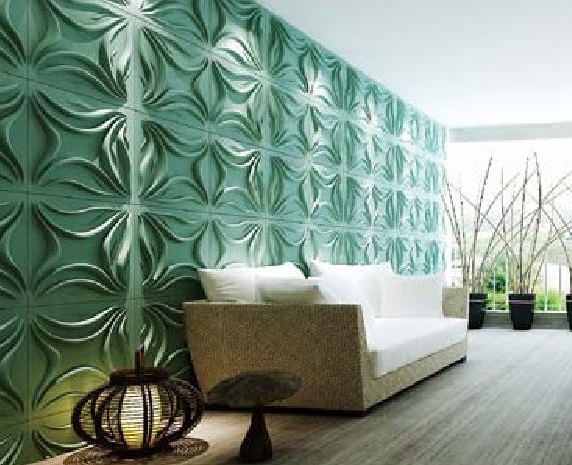
Looking ahead to 2026, several design trends are emerging in 3D wall panels. Organic shapes and nature-inspired textures are gaining traction. Consider flowing lines, leaf patterns, and designs that mimic natural formations.
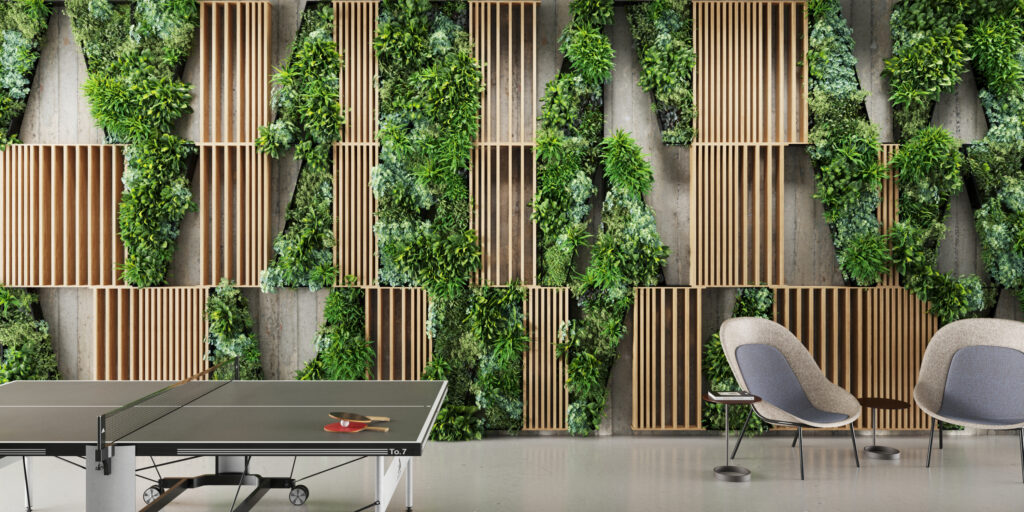
Biophilic design – incorporating natural elements into indoor spaces – is a major driver of this trend. People crave a stronger connection with nature, particularly in urban environments. 3D panels offer a unique way to achieve this, creating a sense of calm and wellbeing. Demand is high for panels that evoke the feeling of wood grain, stone, or foliage.
Customization is becoming increasingly important. Homeowners want spaces that reflect their individual personalities and are tailored to their specific tastes and needs. This includes options for color, texture, and pattern, as well as the ability to create completely custom designs. The desire for personalized spaces pushes the boundaries of what’s possible with 3D wall panels. It’s about creating an environment that truly feels unique.
Beyond aesthetics, there’s growing interest in functional 3D panels. Panels with sound-absorbing properties are becoming popular, especially in open-plan living spaces or home offices, addressing the need for both style and practicality.
Installation: Easier Than You Think?
A common concern about 3D wall panels is the installation process, often assumed to be complicated and requiring professional help. While some projects may benefit from a professional installer, many of Whole3D’s panels are designed for relatively easy DIY installation.
Panels typically utilize one of two installation methods: strong adhesive or interlocking systems. Adhesive options are straightforward – apply the adhesive to the back of the panel and press firmly against the wall. Interlocking systems feature panels that snap together, creating a seamless surface. Detailed installation guides and videos are provided to walk you through each step of the process.
Tools needed are generally minimal: a measuring tape, a level, a utility knife, and a caulking gun (for adhesive applications). Potential DIY challenges include ensuring a perfectly level surface and accurately cutting panels to fit around obstacles like windows or doors. Proper surface preparation is crucial for a secure and long-lasting installation; a smooth, clean wall is essential.
Lightweight panels are available that are easy to handle and maneuver, reducing the risk of damage during installation. However, for larger projects or complex designs, consulting with a professional installer is recommended. Proper installation is key to maximizing both the aesthetic appeal and the longevity of 3D wall panels.
Customization: Your Walls, Your Vision
3D wall panels offer incredible design flexibility. Whole3D offers a wide range of customization options, allowing for the creation of a truly unique space. Users are not limited to pre-defined patterns or colors.
Panels are offered in a variety of colors, textures, and finishes. Customers can choose from an existing palette or request a custom color match. Panels are also available with different surface textures, from smooth and sleek to rough and organic. Pattern customization is also available – altering the scale, density, or arrangement of existing designs.
For a truly bespoke solution, custom 3D printing services are available. Users can upload their own designs or collaborate with the design team to create a completely original panel. This opens up endless possibilities for creating accent walls, headboards, or even entire room transformations. Imagine a 3D panel that perfectly complements artwork or reflects brand identity.
Whole3D provides online design tools and resources to help visualize ideas. The design team is available to offer expert advice and guidance throughout the design process, empowering users to bring their vision to life.
Maintenance & Longevity: Keeping Panels Looking New
undefined with a soft cloth is usually sufficient to remove surface dirt and debris. For more stubborn stains, a mild soap and water solution can be used. Avoid harsh chemicals or abrasive cleaners, as these can damage the panel’s surface.
Potential vulnerabilities include scratches and fading. While our panels are designed to be durable, they're not immune to wear and tear. Avoid placing heavy objects against the panels, and protect them from direct sunlight to prevent fading. Proper care will significantly extend their lifespan.
In the event of minor damage, some panels can be repaired with appropriate fillers or touch-up paints. However, more extensive damage may require replacement. We are exploring options for panel repair services in the future. At the end of their life, some of our panels can be repurposed or recycled, depending on the material composition. We are committed to promoting a circular economy and minimizing waste.
We recommend reviewing the specific care instructions for your panel material on our website. Different materials may require slightly different maintenance routines.
Cost Considerations: Balancing Sustainability & Budget
Let’s be realistic: sustainable options often come with a higher upfront cost compared to traditional wall coverings. The price of Whole3D panels varies depending on the material, design complexity, and quantity ordered. Custom designs will naturally be more expensive than standard options. Installation costs will also need to be factored in, whether you choose to DIY or hire a professional.
However, it’s important to consider the long-term value proposition. Sustainable 3D panels are typically more durable than paint or wallpaper, reducing the need for frequent repainting or replacement. They also contribute to a healthier indoor environment by minimizing VOC emissions. This can translate into cost savings over time.
The price range for our panels currently starts at around $30 per square foot for standard designs and can go up to $60 or more for custom options. We offer various panel sizes to accommodate different project needs and budgets. We also occasionally run promotions and discounts, so be sure to check our website for current offers.
We understand that budget is a key consideration for many homeowners. We strive to offer a range of options to suit different price points, and we’re committed to making sustainable design accessible to a wider audience. We are exploring financing options to make larger projects more manageable.
Looking Ahead: The Future of Eco-Friendly Walls
The future of sustainable wall design is incredibly promising. We can anticipate further innovations in bio-based materials, with researchers exploring new sources and improving their performance. I’m particularly excited about the potential of mycelium-based materials – grown from mushroom roots – as a truly sustainable alternative.
3D printing technology will likely become even more accessible and affordable, enabling greater customization and reducing material waste. We might also see the development of "living walls" incorporating plants and other organic elements directly into the panel design. I'm not sure what the exact timeline looks like, but the momentum behind eco-conscious design is undeniable.
As consumers become more informed and demanding, the demand for sustainable products will continue to grow. This will drive further innovation and adoption of eco-friendly practices throughout the interior design industry. The walls around us aren’t just functional surfaces; they’re a reflection of our values and a testament to our commitment to a more sustainable future.
No comments yet. Be the first to share your thoughts!