

AI-Generated Textures: A New Aesthetic
Artificial intelligence is quietly revolutionizing interior design. We're moving beyond repeating patterns and manufactured textures. In 2026, expect 3D wall panels with designs genuinely born from AI – complex, organic, and unlike anything seen before.
Previously, 'AI design' meant algorithms tweaking existing motifs. Now, tools allow designers and homeowners to generate original textures. This isn't about replicating nature; it's about exploring forms nature could have created or structures defying conventional geometry. It's a shift from imitation to innovation.
AI tools are now accessible to a wider audience, democratizing the design process. This increased participation drives creativity and demand for unique, personalized spaces. The boundaries of what's possible in interior design are constantly being redefined.

Top 7 Trends for 2026
While predicting design trends is uncertain, the direction is clear. AI enables complexity and customization previously unattainable. These aren't just surface-level changes; they represent a fundamental shift in wall decor. Here are seven trends expected to dominate in 2026.
First, biomorphic forms will take center stage – designs inspired by nature, rendered with an otherworldly quality. Next is the rise of parametric waves, creating dynamic, flowing surfaces. Then there’s glitch art reliefs, embracing digital imperfections. A subtle, but impactful trend is kinetic patterns, designed to play with light and shadow, giving the illusion of movement.
Beyond aesthetics, we're seeing a move towards modularity with modular geometric systems, allowing flexible and adaptable designs. Personalized fractal designs will become increasingly popular, offering a bespoke experience. Finally, there’s a strong push for sustainable & bio-based materials, reflecting growing environmental awareness. These trends aren't isolated; they often overlap and influence each other.
Designers like Julia Koerner are already experimenting with AI-generated forms inspired by deep-sea creatures, and brands like Materialise are pushing the boundaries of parametric design. The convergence of art, technology, and sustainability is what defines these upcoming trends.
Biomorphic Forms: Nature Reimagined
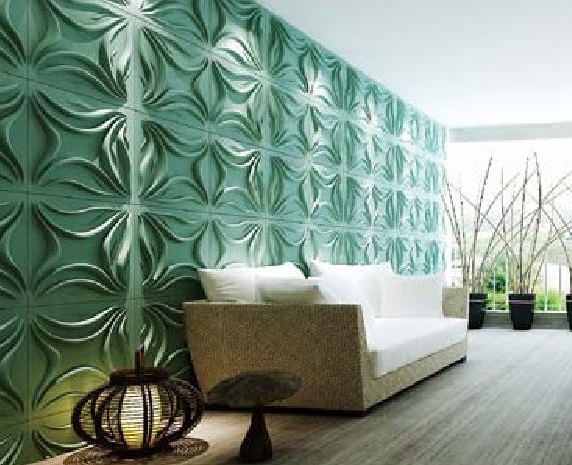
Biomorphic forms appeal due to our connection to nature. In an urbanized world, we crave elements that remind us of nature. AI is an exceptional tool for generating these forms, going beyond simple floral or leaf patterns to create intricate, almost alien structures inspired by coral reefs, cellular structures, and plant growth.
Consider a wall panel mimicking the branching patterns of a neuron, or the spiraling form of a nautilus shell. These aren’t literal representations; they’re interpretations, enhanced and stylized by AI. The result is organic complexity and visual intrigue. We are seeing a huge demand for panels that evoke this sense of natural wonder.
Clients often choose these designs for living rooms, bedrooms, and home offices, creating a calming and inspiring atmosphere. The key is to balance the pattern's complexity with the space's overall aesthetic. A little goes a long way. The texture adds depth and visual interest without overwhelming the room.
Installation: Easier Than You Think
A common hesitation about 3D wall panels is the perceived difficulty of installation. Modern panels are designed with ease of use in mind. Many panels are engineered for DIY installation, requiring no specialized tools or skills.
Common mounting methods include strong, construction-grade adhesive or mechanical fasteners like screws. Adhesive is often preferred for its simplicity and non-destructive nature, ideal for renters or temporary solutions. Screws provide a more secure and permanent installation, suitable for high-traffic areas or demanding applications.
Detailed installation guides and video tutorials are available to walk you through the process step-by-step. While some larger or more complex installations may benefit from professional help, most customers can install the panels themselves with confidence. Don't let installation concerns hold you back from transforming your space.
Material Matters: Beyond Plastic
For years, 3D wall panels were often associated with plastic-based materials. While durable, these materials didn’t always align with a desire for sustainable and eco-friendly home decor. The industry is evolving, and this change is being driven by companies like Whole3D.
Companies are actively exploring and utilizing bio-based plastics derived from renewable resources like cornstarch and sugarcane. These materials offer a significantly reduced carbon footprint compared to traditional plastics, without compromising on quality or aesthetics. Recycled materials are also incorporated into production processes whenever possible, minimizing waste and promoting a circular economy.
The future of 3D wall panel materials is exciting. Research is underway on materials derived from mycelium (mushroom roots) and algae, offering more sustainable and biodegradable options. Style and sustainability shouldn't be mutually exclusive, and companies are committed to offering products that reflect these values.
Standout Designs: Worth a Closer Look
From the trends discussed, a few designs stand out for their innovation and aesthetic appeal. The "Coral Bloom" panel, for example, embodies the biomorphic trend. Created using a generative AI algorithm, it mimics the intricate structure of a coral reef, with varying depths and textures that create a captivating visual effect.
Another design, "Parametric Flow," showcases parametric waves. This panel is created using mathematically defined curves, resulting in a seamless, flowing surface that appears to undulate and shift with the light. The AI algorithm optimizes the curves to create a visually harmonious and structurally sound design. It is striking in a modern living room.
Finally, the "Digital Decay’ panel is an example of glitch art relief. The AI intentionally introduces imperfections and distortions into the design, creating a raw, edgy aesthetic that"s both captivating and unsettling. This panel is best suited for experimental spaces, such as home offices or studios. These examples demonstrate AI's potential to push the boundaries of 3D wall panel design.
Whole3D's Top 3D Wall Panels for a Modern Home in 2026

33 panels cover 32 sq. ft. · 12"x12" black textured panels · Ideal for accent walls in various rooms
These panels offer a sleek, modern texture perfect for creating a dramatic accent wall with minimal effort.

12 panels cover 32.6 sq. ft. · 19.7"x19.7" white wave design · ClimatePartner certified for sustainability
The elegant wave pattern adds a contemporary and sophisticated touch to any interior space, with eco-friendly certification.

10 peel-and-stick faux brick panels · 11.8"x11.8" size · Waterproof and heat-resistant for kitchens and fireplaces
Achieve a rustic yet modern faux brick look with these easy-to-install, versatile peel-and-stick tiles suitable for multiple applications.

Large format 236"x15.75" faux oak wood grain panel · Self-adhesive and thick PVC material · Soundproof capabilities for walls and ceilings
This large-format panel provides a realistic wood grain texture and offers sound dampening benefits, ideal for a warm, natural aesthetic.
As an Amazon Associate I earn from qualifying purchases. Prices may vary.
Customization: Your Vision, Realized
A key aspect of AI-designed 3D wall panels is the ability to customize them to your exact specifications. Companies offer tools and services to help bring your vision to life. You can start with an existing design and modify it, or work with a designer to create a unique pattern.
Our online design tool allows you to experiment with different colors, textures, and patterns in real-time, visualizing the final result before you commit to a purchase. For more complex customizations, we offer a bespoke design service, where our team of experts will work with you to create a truly one-of-a-kind panel.
When customizing your 3D wall panels, it’s important to consider factors like room size, lighting, and existing decor. A large, bold pattern might overwhelm a small room, while a subtle texture might get lost in a brightly lit space. Careful planning and consideration will ensure that your custom panels perfectly complement your interior design.
No comments yet. Be the first to share your thoughts!