

Walls That Listen: The Rise of AI-Responsive Decor
Imagine walking into your living room after a long day, and the walls gently shift to a calming blue, the texture subtly changing to mimic natural stone. The lighting adjusts to a warm glow, and your favorite ambient music begins to play – all without you lifting a finger. This is a glimpse into the future of interior design, where homes proactively respond to our needs and preferences.
Smart home technology has focused on controlling our environments – adjusting thermostats, turning on lights, playing music. But what if homes could move beyond simple control and begin to anticipate our needs? This is the promise of AI-responsive 3D wall panels, a technology set to change how we interact with our living spaces. It’s a shift from static decor to a dynamic, living environment.
Consumer interest in personalized spaces is booming. People are increasingly seeking ways to express their individuality and create homes that truly reflect their lifestyles. Traditional decor, however, is inherently limited in its ability to adapt. A painting remains a painting, wallpaper stays put. AI-responsive panels offer a solution, providing a canvas for constant, subtle adjustments that cater to our evolving moods and activities.
2026 is a significant year for this technology. Processing power, sensor technology, and AI algorithms are converging to make intelligent, responsive walls a reality. It’s about creating a closer relationship between our homes and ourselves.
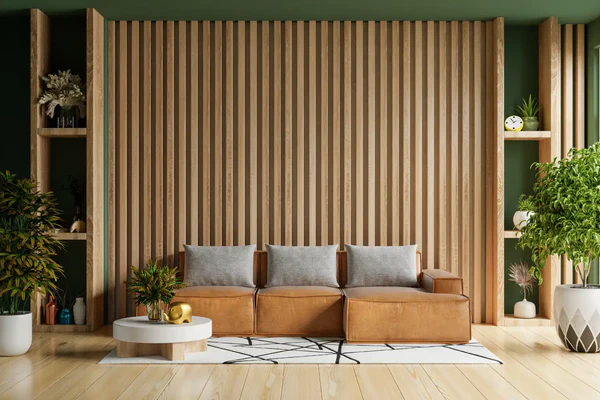
Beyond Texture: What Makes Panels 'AI-Responsive'
The key to AI responsiveness lies in the integration of sensors directly within the 3D wall panels. These aren’t just decorative surfaces; they’re sophisticated data-gathering tools. Microphones embedded within the panels can detect sound levels and identify voices, allowing the system to respond to verbal commands or even adjust the ambiance based on the music playing.
Small, low-profile cameras are another component. These cameras aren’t intended for surveillance; instead, they focus on analyzing visual cues – facial expressions to gauge mood, activity levels to determine occupancy, and even subtle gestures. The data collected is processed to understand the occupant’s state and adjust the environment accordingly. Camera technology is improving rapidly, becoming smaller and more energy-efficient.
For widespread adoption by 2026, incorporating bio-sensors is a possibility. Imagine panels that can detect heart rate variability or even brainwave activity to optimize lighting and sound for relaxation or focus. This is a complex area, raising privacy concerns that need careful consideration.
A critical aspect of this technology is edge-based AI processing. This means the data is analyzed on the panels themselves, rather than being sent to a remote cloud server. This significantly enhances privacy and reduces latency – the delay between sensing a change and responding to it. The panels essentially 'think' for themselves, making real-time adjustments without relying on an internet connection. It also reduces the bandwidth needed to maintain the system.
The panels can act on this information in varied ways. They can change color through embedded LEDs, adjusting hue and intensity to create different moods. They can alter texture using micro-actuators, shifting between smooth and rough surfaces. They can also manipulate light patterns, projecting dynamic designs onto the walls. More advanced panels could change their physical shape, a likely premium feature in early stages.
2026 Interior Design Trends: What’s IN and What’s OUT 🧵✨
— INTERIOR EDIT (@interior_edit) February 23, 2026
Design is getting bolder, warmer, and more personal this year. Here’s what’s taking over homes — and what’s quietly fading. pic.twitter.com/gmxXZDaJvn
Design Trends: 2026 and the Adaptive Aesthetic
Whole3D’s trend reports show a growing desire for spaces that connect us with nature. This translates to a preference for biophilic design, and AI-responsive panels suit this aesthetic. Panels can mimic natural textures – the rippling of water, the grain of wood, the patterns of leaves – and dynamically adjust to simulate changing environmental conditions, like a gentle breeze or the shifting light of a forest canopy.
Minimalist spaces are also gaining popularity, and these benefit from the subtle dynamism that AI-responsive panels provide. A stark white wall can transform into a canvas for abstract art, or pulse with gentle light, adding visual interest without disrupting the overall sense of calm. The ability to change the ambiance on demand allows for a greater degree of flexibility within a minimalist framework.
Personalized art installations are becoming increasingly common, and AI-responsive panels take this concept to the next level. Users can upload their own images or create custom designs that are displayed on the walls, and the AI can even generate artwork based on the occupant’s mood or preferences. This moves beyond static art to a truly interactive experience.
We’re seeing a trend toward "soft’ technology – tech that blends into the environment rather than dominating it. AI-responsive panels embody this principle. They aren’t clunky gadgets; they"re integrated into the home, enhancing the aesthetic while providing intelligent functionality. The goal is to create a space that feels both high-tech and comforting.
Installation: Simpler Than You Think?
One of the biggest concerns people have about new technology is installation. Fortunately, Whole3D has prioritized ease of use in their panel designs. Their installation guides emphasize a relatively straightforward process, with options for both adhesive mounting and mechanical fasteners. The adhesive options are particularly appealing for renters or those who want a non-permanent solution.
The DIY skill required depends on the specific panel and mounting method. Simple adhesive installations can be handled by most homeowners with basic tools. However, installations involving mechanical fasteners or electrical wiring for lighting will likely require professional assistance. Follow the instructions carefully and ensure a level surface for optimal results.
Retrofitting existing homes presents a few more challenges than new construction. You may need to run electrical wiring to power the lighting elements, and concealing the wires can be tricky. However, the modular nature of the panels allows for a degree of flexibility, and it’s often possible to work around existing fixtures and features. New construction, of course, offers the opportunity to fully integrate the panels into the design from the start.
Ensuring the wall surface is adequately prepared is a consideration. Uneven walls can create gaps between the panels, compromising the aesthetic and functionality. Patching and sanding may be necessary to create a smooth, level surface. Consider the weight of the panels and ensure the wall can support them.
Customization: From Mood Lighting to Dynamic Art
The software interface is where the magic truly happens. Most AI-responsive panel systems will likely feature a dedicated app that allows users to control and customize the panels’ behavior. This app will serve as the central hub for adjusting settings, creating scenes, and training the AI.
Integration with existing smart home ecosystems – Amazon Alexa, Google Home, and Apple HomeKit – is essential. This allows users to control the panels with voice commands and incorporate them into automation routines. Imagine saying, “Alexa, set the mood for movie night,” and the panels dim the lights, shift to a warm color palette, and display a subtle, textured pattern.
The level of control offered to users is a key differentiator. Users should be able to create custom "scenes’ or ‘moods" – pre-programmed settings for different activities, such as relaxing, working, or entertaining. They should also be able to fine-tune individual parameters, such as color temperature, brightness, and texture intensity.
An advanced feature is the ability to "train" the AI to respond to specific preferences. For example, the system could learn that you prefer a cooler color temperature when working and a warmer temperature when relaxing. This personalization goes beyond simple presets, creating an adaptive environment.
Integration with music streaming services is a natural extension of this functionality. The panels could synchronize their lighting and textures to the beat of the music, creating an immersive audio-visual experience. Even more intriguing is the potential for integration with biometric data – heart rate, sleep patterns – to optimize the environment for well-being.
Privacy Considerations: Data and Your Walls
Discussing AI-responsive technology requires addressing privacy concerns. These panels collect data – audio, visual, and biometric – and it’s important to understand how that data is used and protected. Transparency is key.
Most systems employ edge-based processing, a significant advantage. By analyzing data locally, on the panels themselves, the need to transmit sensitive information to the cloud is minimized. This reduces the risk of data breaches and enhances user privacy. However, it doesn’t eliminate it entirely.
Users should have clear control over their data. They should be able to opt out of data collection, anonymize their data, and easily access and delete their data. The system should also provide clear explanations of what data is being collected and how it’s being used. Robust encryption is essential to protect data both in transit and at rest.
Security vulnerabilities are a concern. Hackers could gain access to the system and use the cameras or microphones for malicious purposes. Manufacturers must prioritize security and implement safeguards to prevent unauthorized access. More features and personalization increase the potential attack surface. Real concerns should not be overshadowed by marketing hype.
Cost and Availability: Looking Ahead to 2026
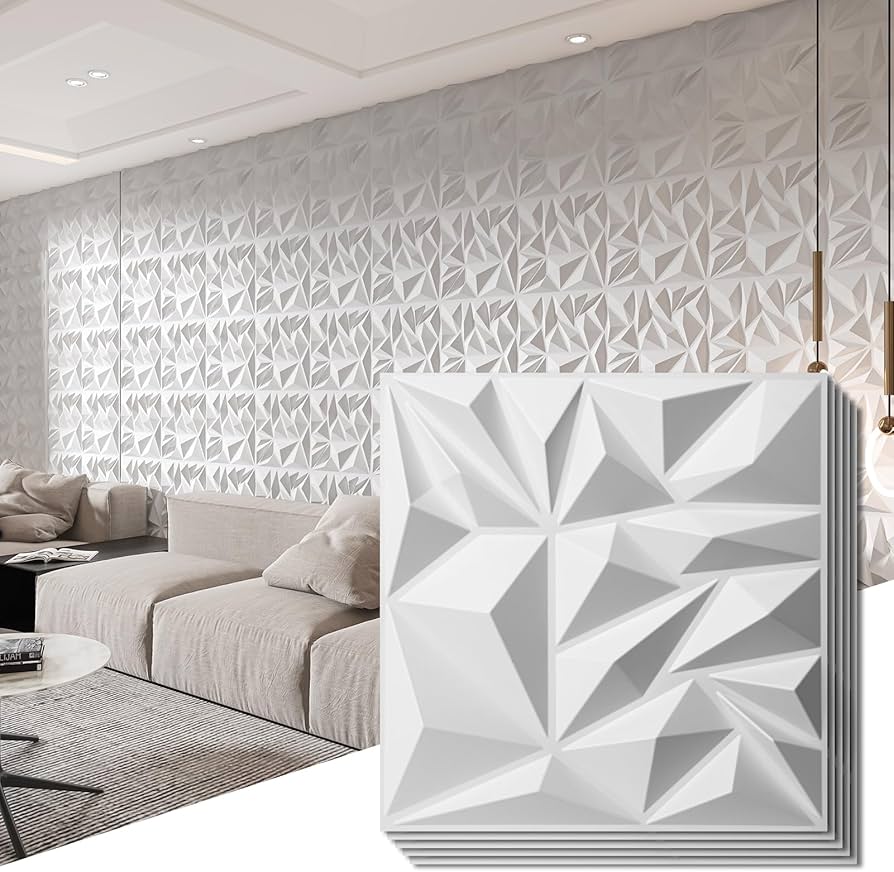
Predicting pricing for new technology is challenging. Basic 3D wall panels, like the Art3d panels available on Amazon for around
In 2026, I estimate that a basic AI-responsive panel system for a standard-sized room (say, 10x12 feet) could range from $800 to $2,500, depending on the size, complexity, and features. Premium panels with advanced sensors, customizable shapes, and higher-resolution displays could easily exceed $3,000. The cost will also be influenced by the materials used – higher-end materials will command a premium price.
Availability will likely be limited initially, with early adopters being the primary target market. Expect to see these panels offered through specialized retailers and interior design firms. As the technology matures and production costs decrease, wider availability through mainstream retailers will follow.
Subscription models are a possibility. Manufacturers might offer a base panel system at a lower price point, then charge a monthly fee for access to advanced AI features, software updates, and customer support. This could make the technology more accessible to a wider range of consumers.
The Future of Interior Spaces
AI-responsive decor represents a fundamental shift in how we think about our homes. It’s a move away from static environments to dynamic, living spaces that anticipate our needs and enhance our well-being. Our homes will become more intuitive, adjusting to our moods, activities, and even our physiological states.
This technology has the potential to transform the way we interact with our homes, creating a more seamless and harmonious living experience. Imagine a home that automatically adjusts the lighting and temperature to optimize your sleep, or creates a calming atmosphere when you’re feeling stressed. The possibilities are endless.
The implications for architecture and urban planning are also significant. Buildings could be designed with integrated AI-responsive elements, creating spaces that are more adaptable and responsive to the needs of their occupants. Cities could become more intelligent, using data from homes to optimize energy consumption and improve quality of life.
Ultimately, the goal is to create homes that are not just aesthetically pleasing, but also supportive of our physical and emotional well-being. By leveraging the power of AI and responsive design, we can create spaces that truly enhance our lives and foster a greater sense of connection with our surroundings. It’s a future where our homes aren’t just places where we live – they’re partners in our pursuit of a more fulfilling life.
Content is being updated. Check back soon.


No comments yet. Be the first to share your thoughts!