

Small Space, Big Style: 2026's Wall Art Shift
Interior design is changing, influenced by how we live. More people are moving to cities, and space is expensive. This shift to smaller living spaces drives a divergence in 3D wall art trends for 2026: a split between maximalism and minimalism.
It's not just about making a small room look bigger. Walls have a strong psychological impact, defining our personal space and affecting our mood. Some people embrace bold self-expression; others prefer a calming, uncluttered environment.
Both approaches are gaining traction, and Whole3D panels adapt to either aesthetic. The flexibility of 3D wall art maximizes style in limited spaces, transforming how we experience our homes.
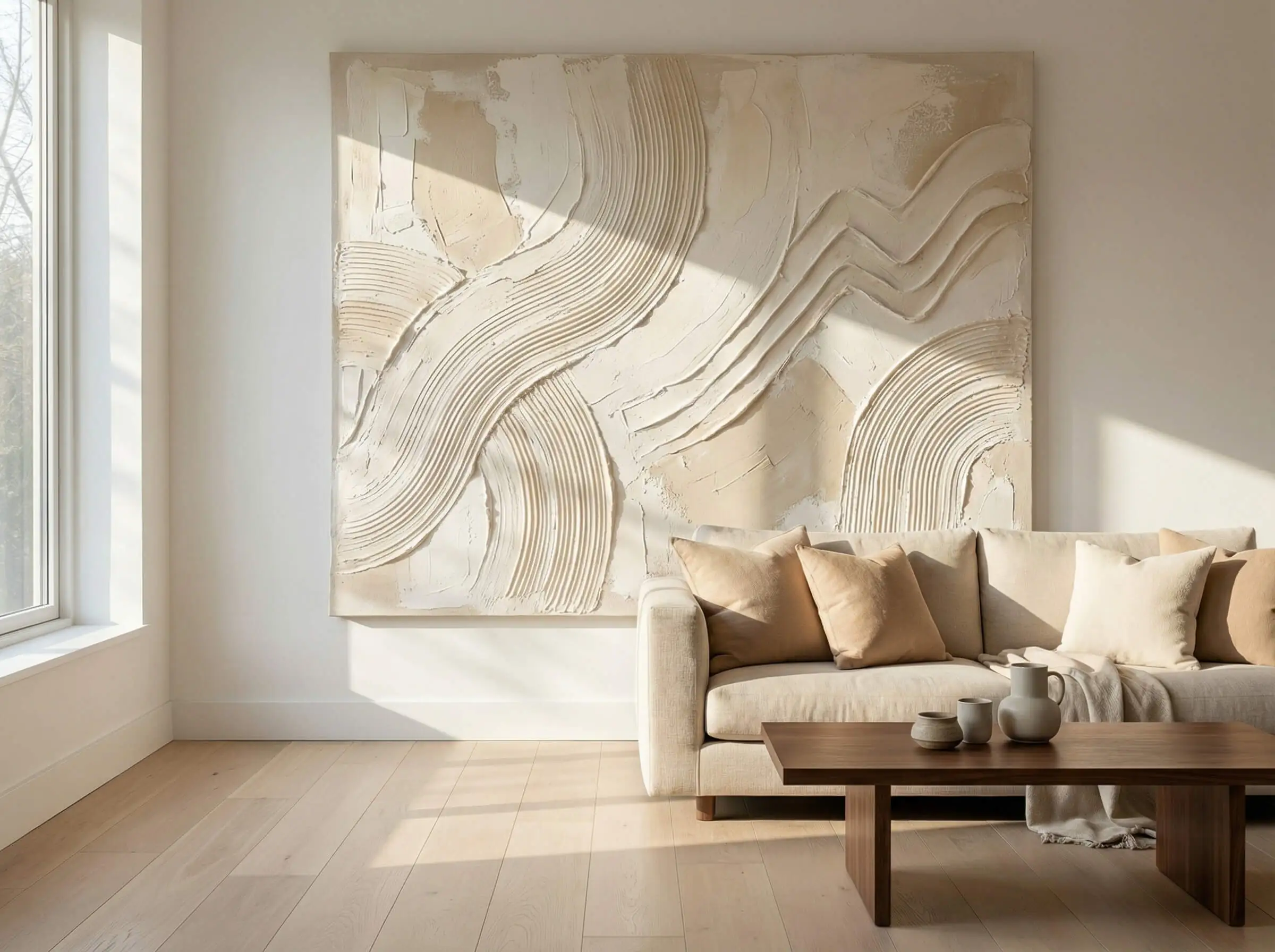
Decoding Maximalism: More is More
Maximalism embraces abundance, rejecting the stark, minimalist aesthetic of the past decade. It features bold colors, layered textures, eclectic patterns, and a deliberate mix of styles. This curated chaos is making a comeback, especially for those wanting their homes to reflect their personality.
In small spaces, maximalism strategically creates focal points without overwhelming the room. A textured 3D wall panel behind a sofa or bed draws the eye and adds depth. Vertical space is key – use floor-to-ceiling patterns or layered panels to make a statement.
Maximalism offers comfort, feeling lived-in and inviting. It provides warmth and self-expression often missing in sterile environments. Surround yourself with things you love to create a space that feels uniquely yours. Whole3D’s customizable panels suit this trend, allowing you to mix patterns, experiment with colors, and scale designs.
Combine our "Art Deco" panel with brightly colored paint and vintage furniture. Layer different textured panels for a unique feature wall. The possibilities are endless, reflecting maximalism's appeal: breaking rules and having fun.
- Pattern Mixing: Combine different Whole3D panel designs for a dynamic look.
- Bold Colors: Don't be afraid to use vibrant hues and saturated tones.
- Layered Textures: Add depth and visual interest with varying panel textures.
Bold & Beautiful: Maximalist 3D Wall Art Accents for Small Spaces

Mid-Century Modern abstract design · Multicolored pattern · 18-inch square size
This pillow adds a pop of color and pattern, ideal for injecting personality into a compact area.

Grey and ivory color palette · Durable construction · Generous 9'2" x 13' size
A large, intricately designed rug can anchor a small space, providing a foundation for maximalist decor.
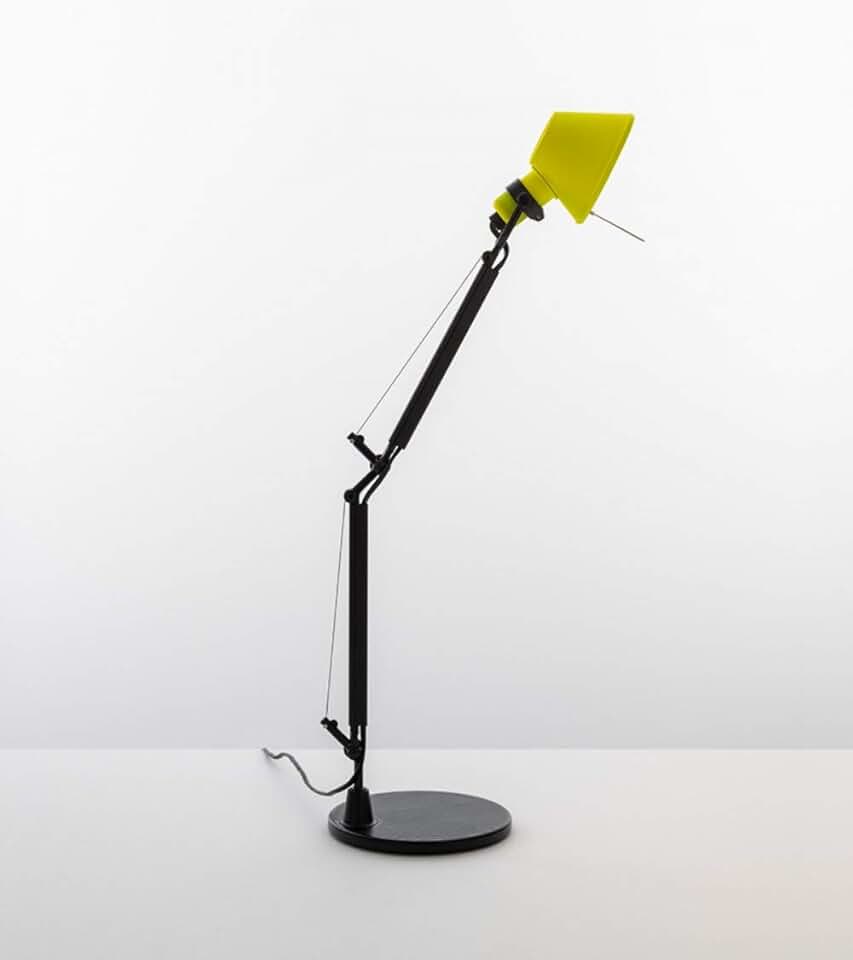
Adjustable arm and head · Limited edition bicolor design (Nero/Giallo) · Compact Micro size
This iconic, adjustable lamp offers both functional lighting and a striking sculptural element for a small workspace.

Modern arrow design · Gold metal finish · Wall plaque format
This metallic wall art adds a touch of glam and a unique shape, enhancing the visual depth of a small room.

Designer vase · Unique sculptural form · High-quality material
A statement vase, even when empty, serves as a bold decorative object that commands attention in a small setting.
As an Amazon Associate I earn from qualifying purchases. Prices may vary.
Minimalism's Evolution: Texture & Depth
Minimalism is evolving, not disappearing. Stark, empty spaces are giving way to a more nuanced approach. It remains about intentionality and quality over quantity, with a greater emphasis on texture, subtle detail, and natural materials.
The challenge with minimalism in small spaces is avoiding emptiness. 3D wall panels add depth and interest without clutter, creating sophistication and calm. Use neutral colors, geometric patterns, and the interplay of light and shadow.
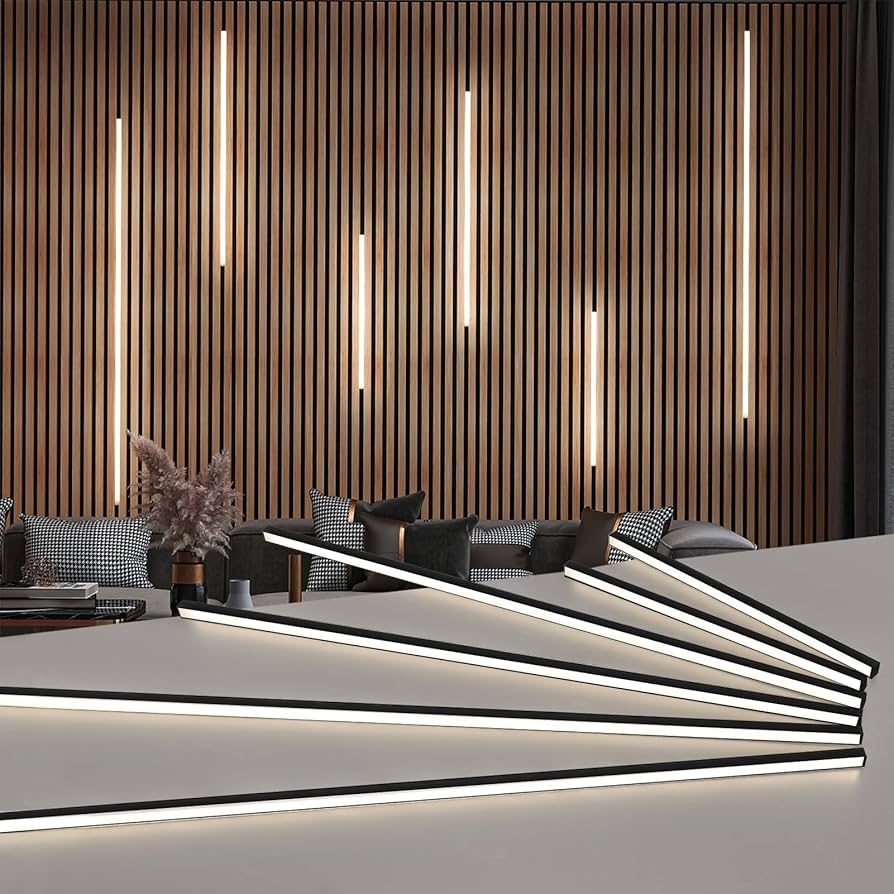
Choose panels that are visually interesting but don’t overwhelm the space. Subtle textures add tactile quality, while geometric patterns create order and harmony. Whole3D panels offer seamless designs and subtle textures for this effect. Demand is increasing for panels with integrated lighting, enhancing depth and tranquility.
Designers often pair minimalist 3D panels with natural wood furniture and soft, diffused lighting for calming, visually engaging spaces. It's a sophisticated look for small apartments or studios.
Pattern Play: 2026's Top 3 Designs
Based on current demand and designer feedback, here are three 3D wall panel patterns expected to be popular in 2026.
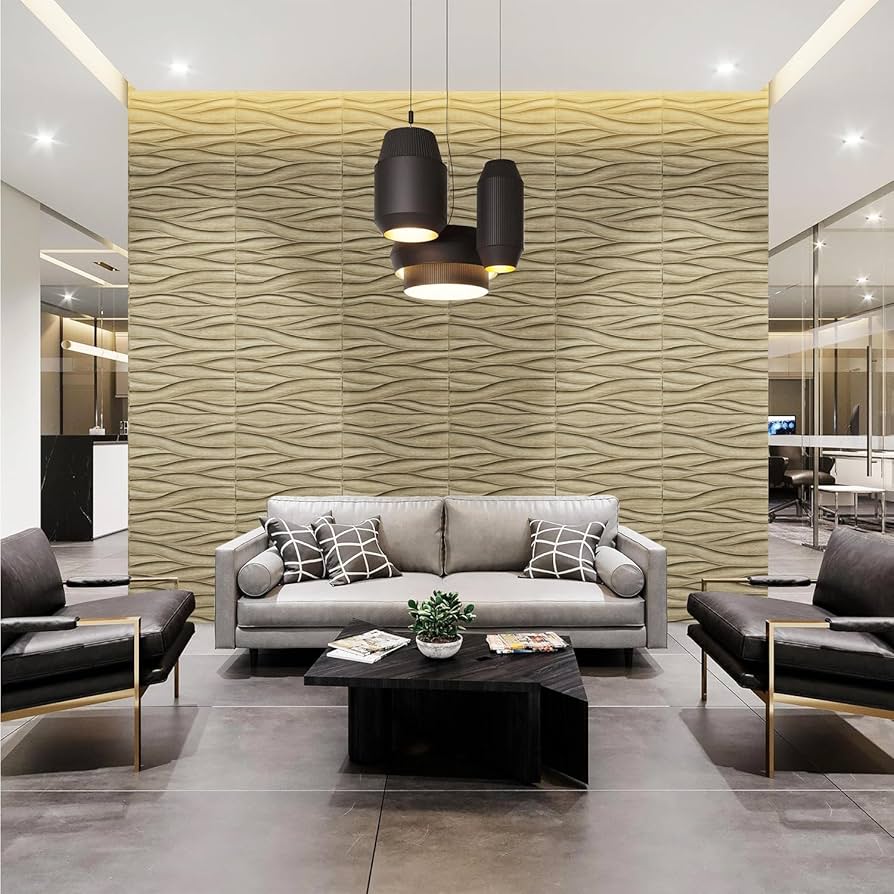
First, Organic Curves. These panels feature flowing, asymmetrical designs inspired by nature. They work well in both maximalist and minimalist spaces. Pair them with earthy tones and natural materials for a calming effect, or with bold colors and eclectic accessories for a dynamic look. Whole3D offers "Flow" panels that capture this aesthetic.
Next, Geometric Tessellations. These panels feature repeating geometric shapes for a visually striking pattern. They lean minimalist, adding depth and texture without being overly ornate. A neutral palette – grays, whites, and blacks – works well. Our "Hex’ and ‘Rhombus" panels exemplify this trend.
Finally, Abstract Floral is making a comeback. These designs are abstract and artistic, featuring stylized floral motifs and bold color combinations. They add whimsy and personality to a space. This pattern shines in maximalist settings. We expanded our "Bloom" collection to include several abstract floral designs.
Installation: DIY vs. Pro
Whole3D panels are relatively easy to install, though difficulty varies by panel type and DIY skills. Most panels use an interlocking system, requiring basic tools – a measuring tape, level, utility knife, and construction adhesive.
DIY installation involves measuring and cutting panels, applying adhesive, and pressing them onto the wall. Ensure the wall is clean, dry, and prepared. We provide installation guides and video tutorials on our website.
If you're uncomfortable with tools or tackling a large project, hiring a professional installer is a good idea. A pro ensures a flawless finish and saves time. It's worth the investment for intricate designs or challenging surfaces. Find qualified installers on our website or at local home improvement stores.
I recommend starting with a small project to get a feel for the process before tackling an entire room. This builds confidence and helps avoid costly mistakes.
Material Matters: Choosing the Right Panel
Whole3D panels come in various materials. Wood fiber panels are popular for their affordability and natural aesthetic. They're lightweight and easy to work with, but not ideal for high-moisture environments.
undefined, making them a good option for bathrooms or kitchens. They’re also easy to clean and maintain, but they can be more expensive than wood fiber panels. Bamboo is an increasingly popular sustainable option. It’s strong, lightweight, and environmentally friendly, but it can be more prone to scratching.
When choosing a material, consider the specific space and your lifestyle. If you have young children or pets, a more durable material like PVC might be a better choice. If you’re concerned about environmental impact, bamboo is a great option. It’s also worth considering the aesthetic – wood fiber panels have a warmer, more natural look, while PVC panels can have a more modern, sleek appearance.
Beyond Walls: 3D Decor Accents
Don’t limit yourself to full wall panels. Whole3D also offers a range of 3D decor accents – individual shapes, geometric forms, and decorative elements – that can be used to enhance either a maximalist or minimalist space.
Consider creating a gallery wall using a collection of 3D shapes. Or, add texture to a headboard by attaching a series of small panels. You can even use accents to frame a doorway or highlight a specific architectural feature. These accents are a great way to experiment with different designs and add a touch of personality to your home.
These smaller pieces work particularly well as complements to larger wall panel installations. For instance, you could use 3D accents to create a border around a focal wall, or to add subtle details to a minimalist design. The possibilities are truly endless.
Maintenance & Longevity
Keeping your Whole3D panels looking their best is surprisingly easy. For most materials, regular dusting with a soft cloth is all that’s needed. For more stubborn dirt or grime, you can use a mild soap and water solution.
Avoid using harsh chemicals or abrasive cleaners, as these can damage the surface of the panels. For wood fiber panels, it’s important to protect them from moisture. For PVC and bamboo panels, regular cleaning with a damp cloth will usually suffice. With proper care, Whole3D panels can last for years, adding style and sophistication to your home.
While repainting is possible with some materials, it’s generally not recommended as it can alter the texture and appearance of the panels. If you’re looking to change the color scheme, it’s usually best to replace the panels altogether. The lifespan really depends on the material and the environment, but you can generally expect years of enjoyment from our products.
No comments yet. Be the first to share your thoughts!