

Walls That Listen: The Rise of Responsive Decor
Imagine walking into your living room after a long day, and the walls subtly shift color to a calming blue as ambient music begins to play. This isn’t science fiction; it’s a glimpse into interior design where homes actively respond to our needs.
Current smart homes feel fragmented. Smart thermostats, lighting, and speakers rarely work together seamlessly, requiring deliberate commands and lacking the nuance to understand our emotional state or anticipate needs. These AI-responsive 3D wall panels aim to bridge that gap, creating a unified living experience.
Interiors are shifting from static to dynamic. For decades, we chose paint and furniture for long periods. Now, spaces can adapt and evolve with us, meeting the growing demand for personalized experiences that reflect individual tastes and support well-being.
This is about creating more harmonious and supportive environments. A home that understands your rhythms can reduce stress, boost creativity, and improve quality of life. The potential to tailor a space to occupant needs is enormous.
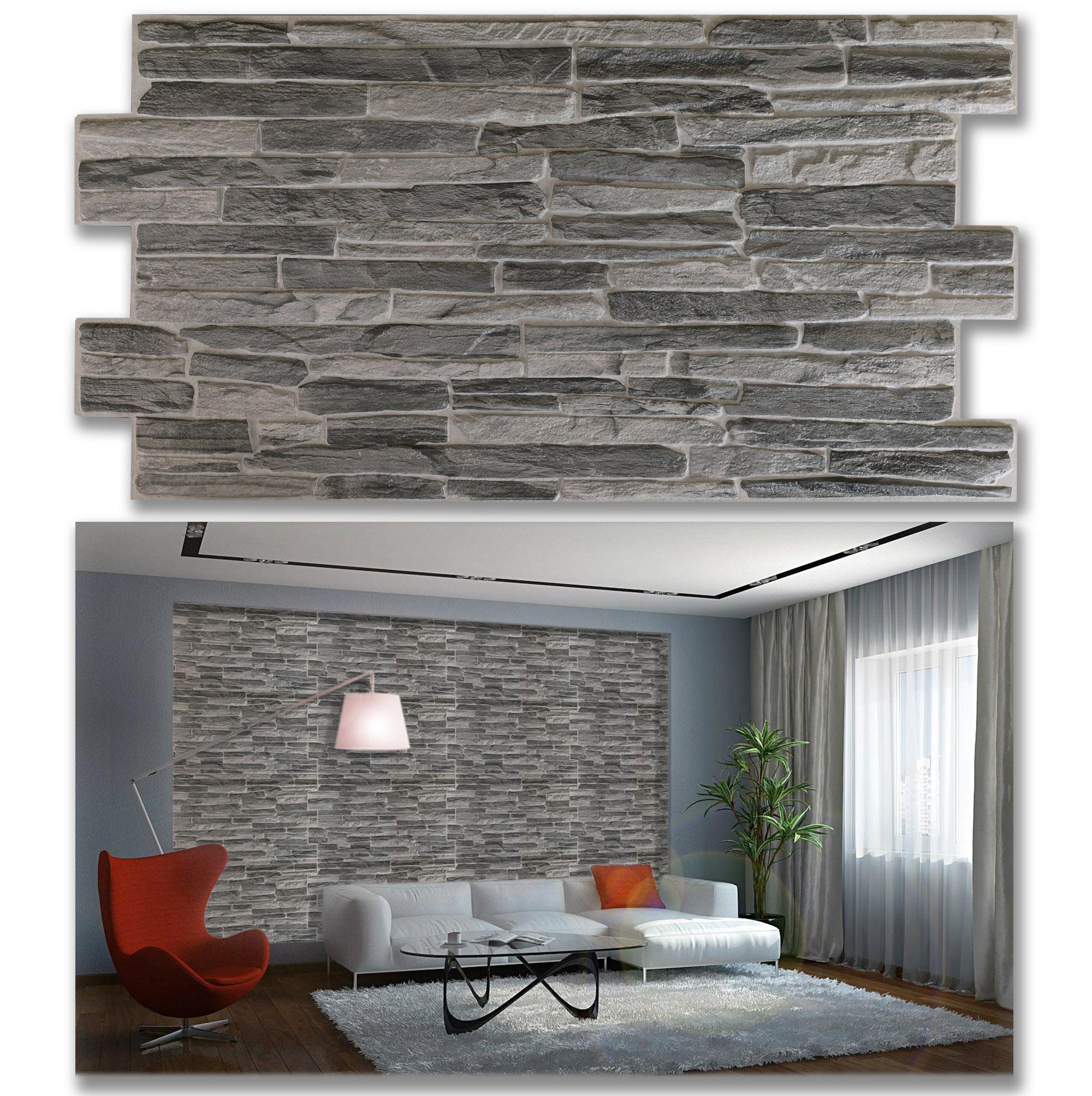
Beyond Texture: What Makes Panels 'Smart'
These 3D wall panels are sophisticated systems packed with technology. Their 'smart' aspect comes from embedded sensors, micro-actuators, and processing capabilities, a leap beyond changing lightbulb colors.
Embedded sensors detect environmental factors like light, sound, motion, and temperature. This data allows the AI to understand room activity and occupant interaction.
Micro-actuators allow for physical changes to the panel's surface, altering texture, shape, or color. A panel could soften for an inviting atmosphere or adjust its texture for acoustics, differing significantly from static displays or smart lighting.
Materials science is crucial for durability and flexibility. Manufacturers like Smart Profile explore new materials offering strength, flexibility, and responsiveness. Energy efficiency is also a major consideration, requiring panels to operate without excessive power consumption.
- Light sensors: Adjust ambiance based on natural light.
- Sound sensors: Respond to music or conversations.
- Motion sensors: Detect occupancy and activity.
- Temperature sensors: Contribute to climate control.
AI's Role: Personalization and Predictive Design
Artificial intelligence is key. AI algorithms learn user preferences over time, adapting the environment for a personalized experience that understands and responds to you.
Data fuels personalization. The AI can ingest data from voice commands, calendar integration, and biometric data (with opt-in and privacy protection). For example, a calendar indicating a big presentation might prompt the AI to adjust lighting for focus. This anticipates needs before they're expressed.
Social media activity is a potential data source, but raises ethical concerns. If users connect accounts, AI could learn interests and preferences for personalization. Transparency and user control are paramount, ensuring users understand data collection and usage.
This leads to 'mood-responsive' design. The AI can analyze vocal tone or facial expressions (with consent) to gauge a user’s emotional state and adjust the environment. Feeling stressed? Walls might shift to calming colors and play soothing sounds. Hosting a party? Walls could become more dynamic. Ethical implications of emotional recognition technology require careful consideration.
Predictive design is also key. The AI anticipates future needs by learning daily routines to adjust lighting and temperature for optimal comfort, creating a seamless living experience.
Installation & Integration: Easier Than You Think?
Installation is a major question. Some panels are designed for DIY installation, similar to wallpaper, while others may require professional assistance, especially for electrical components.
Compatibility with existing smart home ecosystems is crucial. Whole3D emphasizes integration with platforms like Amazon Alexa, Google Home, and Apple HomeKit, allowing control via existing voice assistants and apps. Integration levels can vary by panel model and platform.
Retrofitting older homes is challenging. Older homes may lack the necessary wiring or infrastructure, potentially requiring significant electrical work, adding to cost and complexity. Electrical requirements likely involve dedicated circuits and professional wiring.
Whole3D provides detailed 3D Wall Panel Installation guides on their website, a good starting point for assessing DIY feasibility. Compared to competitors, Whole3D focuses on accessible installation options and comprehensive support.
Design Trends: 2026 and Beyond
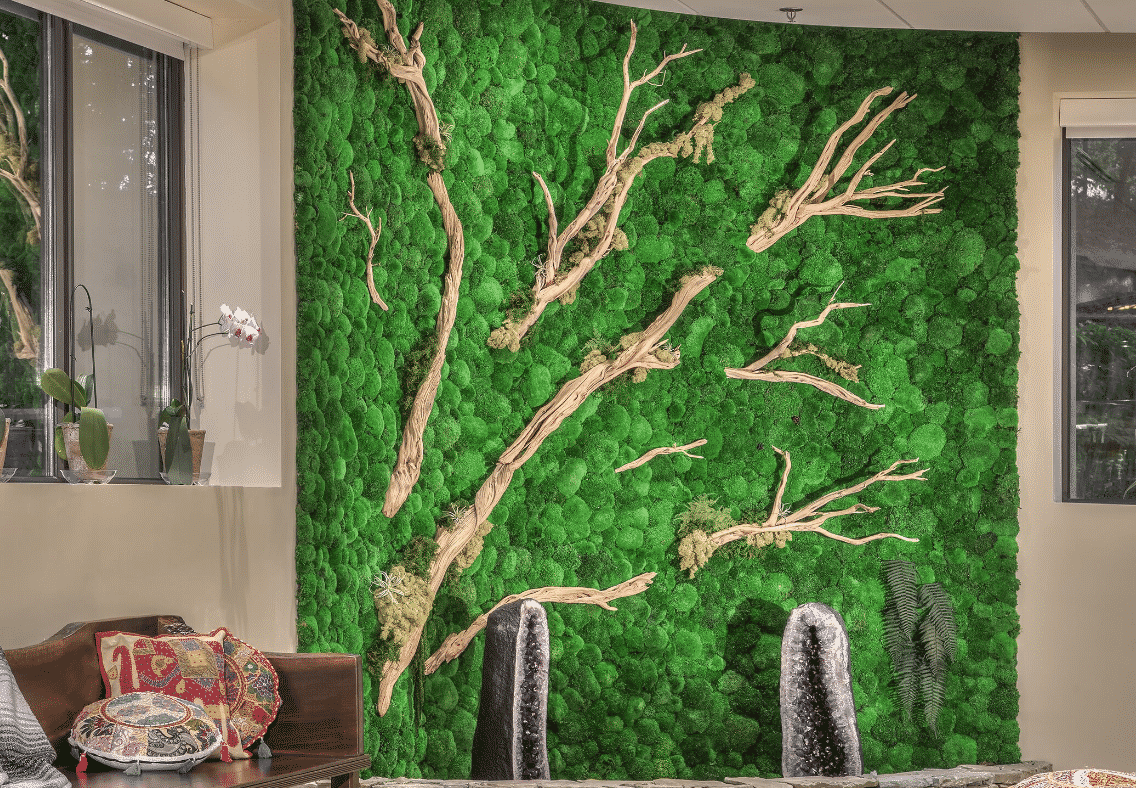
Looking ahead to 2026, design trends enabled by this technology include biophilic design, connecting people with nature. Panels will mimic natural textures and patterns, creating calm and well-being, like walls resembling flowing water or lush forests.
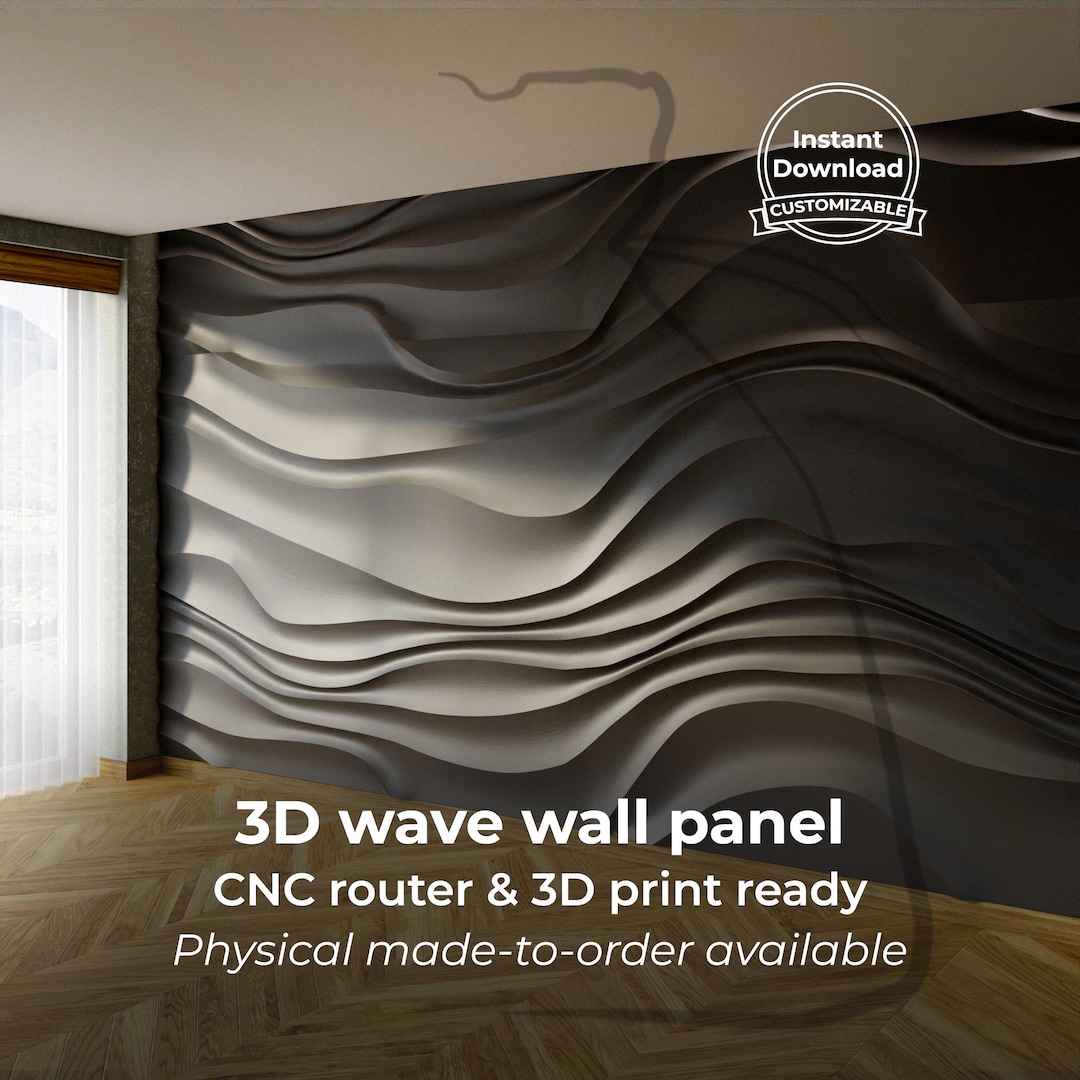
Kinetic art is another trend. Panels that physically move and change shape create dynamic visual experiences, like a wall rippling like sand dunes or unfolding like a flower, transforming rooms into living art.
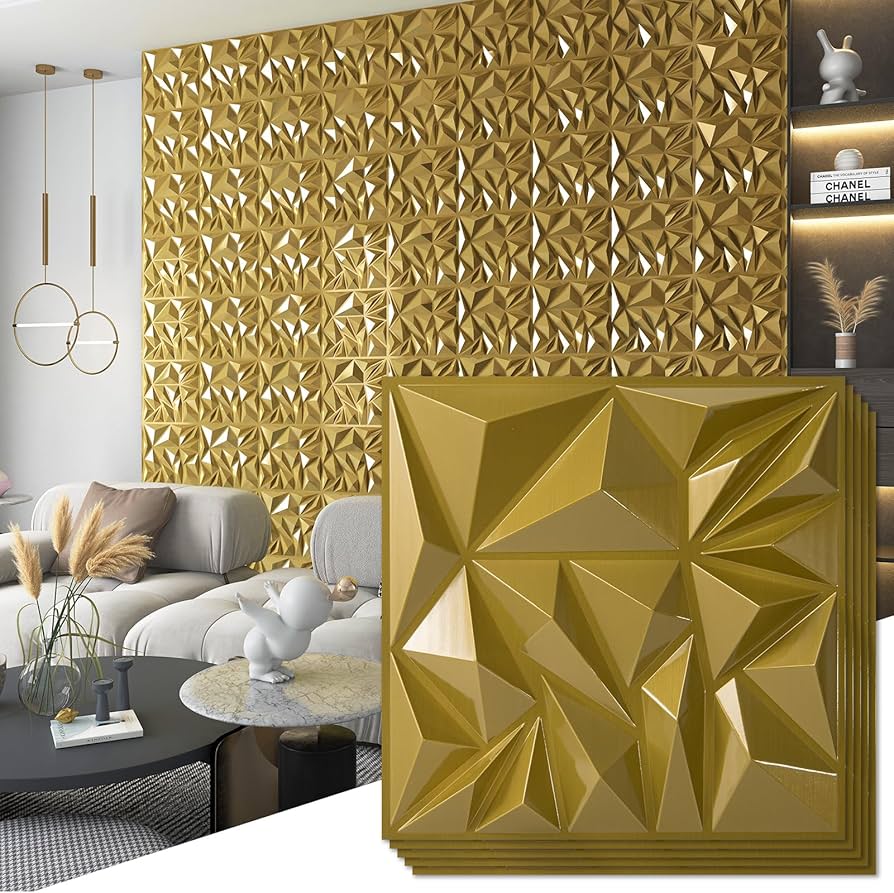
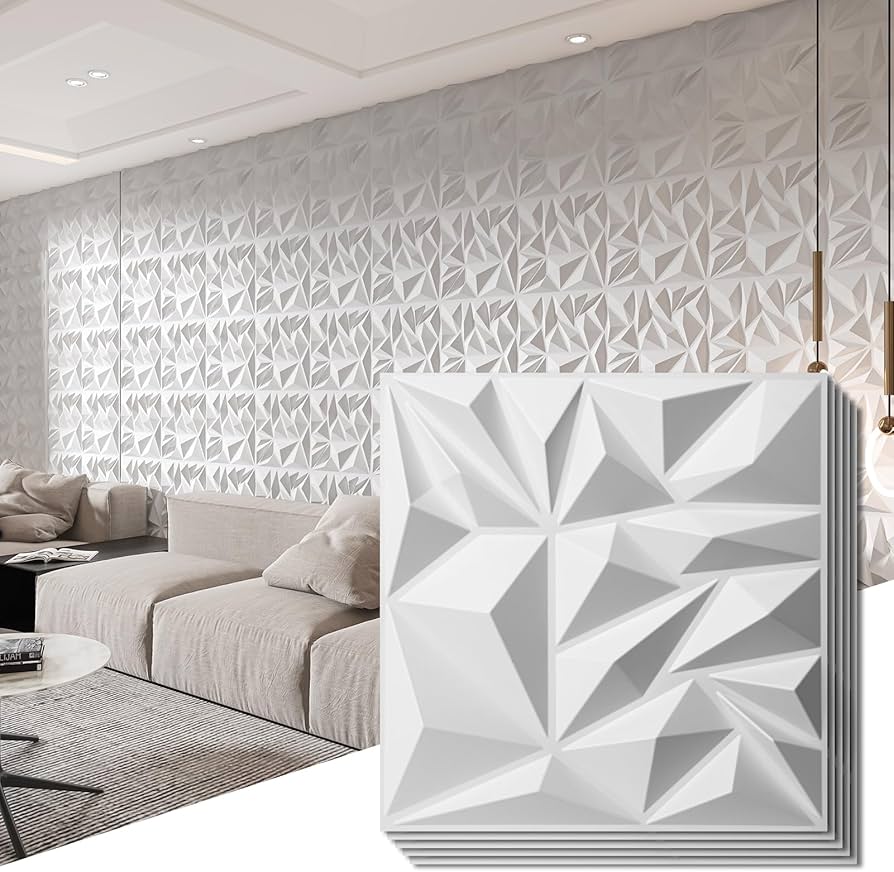
undefined used to create a sense of depth and space, blurring the lines between the physical and digital worlds. This could involve projecting images onto the panels or using them to create virtual windows with stunning views. Referencing Whole3D's '2024's Hottest 3D Wall Panel Trends,' we saw a move toward textured, geometric designs; I expect this to evolve into more complex, reactive patterns.
New materials are constantly being developed. Researchers are exploring self-healing materials that can repair minor damage, as well as energy-generating materials that can convert light or heat into electricity. These advancements will further enhance the functionality and sustainability of smart 3D wall panels.
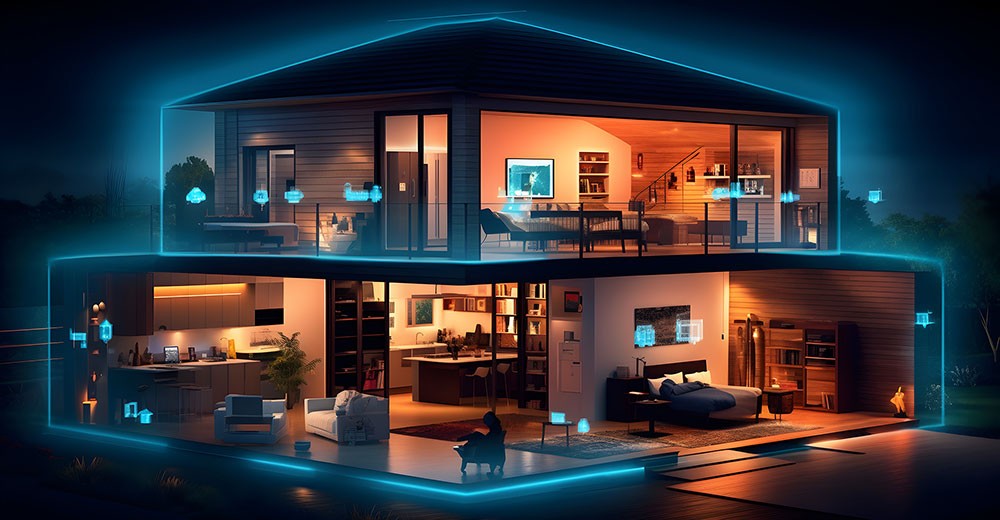
Cost & Accessibility: A Luxury or a Reality?
The biggest barrier to entry for many consumers is cost. Traditional 3D wall panels can range in price from $5 to $20 per square foot, depending on the material and complexity of the design. Adding the "smart" functionality will undoubtedly increase the price, potentially adding several dollars per square foot. Currently, a fully integrated system could easily cost $30-$50 per square foot, or even more.
However, prices are likely to come down as the technology matures and production scales up. Increased competition and advancements in manufacturing processes will help to drive down costs. Subscription models, where users pay a monthly fee for access to the technology and ongoing updates, could also make it more accessible.
Whether this technology ultimately remains a luxury item or becomes accessible to a wider audience depends on several factors, including continued innovation, economies of scale, and consumer demand. Different panel sizes and materials will also play a role; smaller, simpler panels will likely be more affordable than larger, more complex ones.
Financing options may emerge to help consumers spread the cost over time. Government incentives or tax credits could also encourage adoption, particularly if the technology is seen as contributing to energy efficiency or sustainable living.
Whole3D's Position: Innovation and Customization
Whole3D is positioning itself as a leader in the smart 3D wall panel market, focusing on innovation and customization. They offer a wide range of materials, patterns, and colors, allowing customers to create truly unique and personalized spaces. Their emphasis on providing a variety of choices sets them apart from some competitors.
Whole3D’s commitment to user-friendly installation is a key differentiator. Their detailed 3D Wall Panel Installation guides and readily available support resources make it easier for customers to install the panels themselves, reducing the need for professional assistance. This can significantly lower the overall cost and complexity of the project.
They also seem to be actively exploring partnerships with AI developers and smart home companies to enhance the functionality and integration of their panels. This collaborative approach suggests a commitment to staying at the forefront of the technology. I think this dedication to integration is a strong point.
Whole3D’s range of materials includes options like wood, stone, and geometric designs, catering to diverse aesthetic preferences. Their ability to create custom 3D printed home decor offers a level of personalization that few other companies can match.
Future Gazing: The Evolving Smart Wall
The future of this technology is incredibly exciting. We can anticipate seeing panels that can project holographic images, creating truly immersive and interactive environments. Imagine a wall that transforms into a virtual window with a breathtaking view, or displays a dynamic work of art that responds to your movements.
Integration with augmented reality (AR) and virtual reality (VR) systems is also on the horizon. Panels could become portals to virtual worlds, allowing users to seamlessly transition between the physical and digital realms. This could revolutionize how we work, learn, and entertain ourselves.
Self-healing materials are another area of active research. Panels that can automatically repair minor damage would be more durable and require less maintenance. Energy-generating panels, capable of converting light or heat into electricity, could further reduce the environmental impact of our homes.
Ultimately, these walls have the potential to become integral parts of a truly intelligent home ecosystem, seamlessly integrating with all of our other smart devices and appliances. It's a future where our homes anticipate our needs, support our well-being, and enhance our lives in countless ways.
No comments yet. Be the first to share your thoughts!