

Beyond Static Walls: The Rise of Dynamic Decor
Wall decor used to be limited to paint, wallpaper, or framed art. These options are static and require significant effort and expense to change. Color-changing 3D panels offer a dynamic alternative, allowing walls to respond to mood, time of day, or music.
Interiors are shifting towards dynamic, customizable designs that reflect personal style and adapt to user needs. Traditional decor struggles to meet this demand. Integrating LED technology into textured 3D panels makes personalized, affordable interiors possible.
2026 is anticipated to be a significant year for this technology. While 3D wall panels have existed for some time, with companies like Whole 3D offering various options, the addition of dynamic color is transformative. Costs are decreasing, technology is improving, and consumer awareness is rising, indicating a fundamental shift in interior design.
How Do These Panels Actually Work?
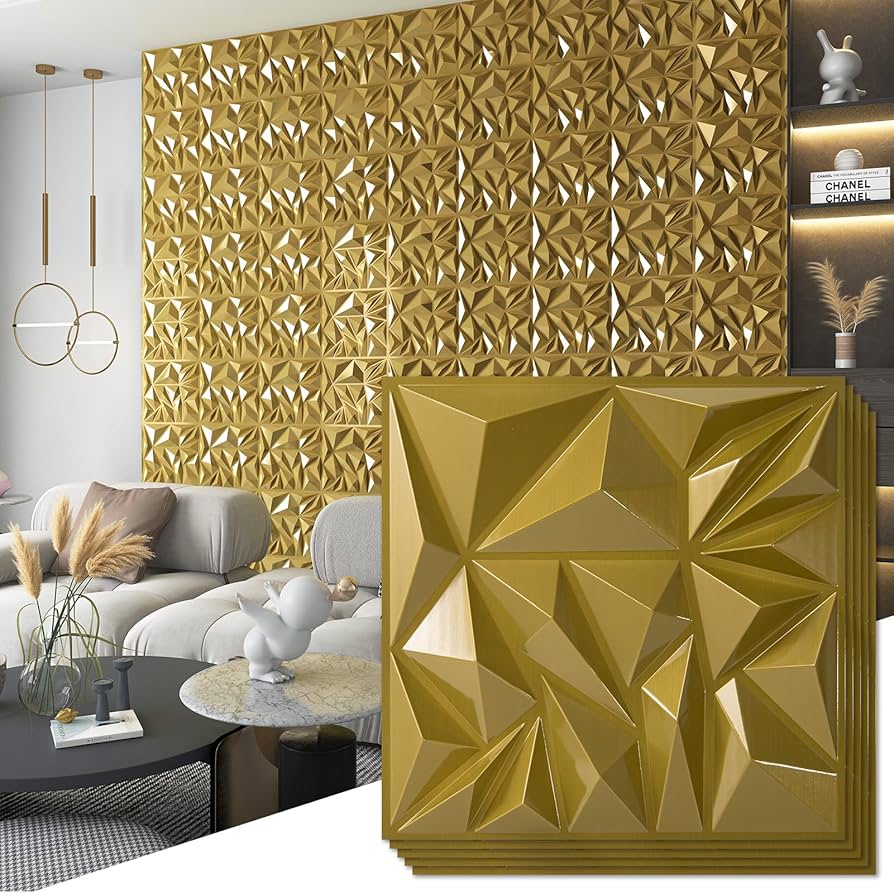
Color-changing 3D panels combine a textured surface with embedded LEDs. Materials include plant fiber (e.g., Art3D panels), PVC, and composites. The texture diffuses LED light for a softer, even glow.
The color change is driven by RGB (Red, Green, Blue) LEDs, which produce a wide spectrum of colors by adjusting the intensity of each primary color. The panels house these LEDs discreetly.
Power is supplied via a low-voltage adapter, similar to LED strip lights. While some systems need more wiring, many offer easy installation with minimal visible cables. Panel power consumption is generally low, but consider usage extent.
Design Possibilities: From Subtle Ambiance to Bold Statements
Color-changing 3D panels are versatile, creating subtle atmospheres or bold statements. In a living room, they can highlight a feature wall as a focal point, offering a soft glow for movie nights or an energetic display for parties.
Bedrooms benefit from mood-setting colors: calming blues or lavenders for relaxation, or warm oranges and pinks for a cozy atmosphere. Home offices can use them for dynamic video call backgrounds. Panels can also be used for ceiling features or room dividers.
These panels complement various aesthetics, from minimalist spaces appreciating subtle texture and soft glow, to maximalist designs seeking added visual interest. They suit modern interiors and can work in traditional settings with thoughtful application. Examples mimic natural textures like stone or wood for organic warmth.
In home theaters, synchronizing panel colors with on-screen action creates an immersive experience. For example, fiery explosions can be matched with pulsing orange and red lights, extending the visual impact beyond the screen. Imagination is the primary limit.
Installation: Easier Than You Think
Installing 3D panels is often a DIY-friendly project. Whole 3D offers installation guides. Common methods include using strong construction adhesive or specialized clips. Proper wall preparation (clean, dry, smooth surface) is essential.
Hiding LED wiring requires planning. Wires can be concealed behind panels or run through wall channels. Consider the placement of power adapters and control units. Neat wiring ensures a professional appearance.
If uncomfortable with installation, consult a professional. An electrician can ensure wiring is safe and compliant with local building codes. Always check local regulations before electrical work to prevent future issues.
Installation varies by panel type and wall condition. Careful planning and attention to detail can yield excellent results affordably.
Customization: Taking Control of Your Space
Panel customization is a major draw. Most systems include a remote for preset colors and patterns. Smartphone apps offer granular control, allowing custom color palettes, brightness/saturation adjustments, and dynamic lighting effects.
Many panels are compatible with smart home ecosystems like Amazon Alexa and Google Assistant, enabling voice control or integration into smart home routines. For example, saying, “Alexa, set the living room to "movie night" mode,” can dim the panels to a warm glow.
Some systems respond to music or other stimuli, with LEDs pulsing and changing color in sync with music for an immersive audio-visual experience. Custom patterns can also be created for unique lighting displays. Control options are rapidly expanding.
Durability and Maintenance: Keeping Your Walls Looking New
Panel durability varies by material. High-quality PVC or composite panels are generally more resistant to scratches and impacts than plant fiber panels. Whole 3D provides guidance on selecting durable materials and patterns.
Prolonged sunlight exposure can cause fading; install panels away from direct sun or choose UV-protected options. Moisture is a concern in bathrooms or kitchens; select water-resistant or waterproof panels.
Cleaning is straightforward: use a soft, damp cloth for dust and dirt. Avoid harsh chemicals or abrasive cleaners, which can damage the panel surface. Whole 3D recommends regular dusting and gentle cleaning to maintain appearance.
- Dust regularly with a soft cloth
- Wipe clean with a damp cloth (avoid harsh chemicals)
- Avoid direct sunlight if possible
- Protect from excessive moisture
Beyond Aesthetics: Potential Benefits
Beyond visual appeal, these panels may offer acoustic benefits. Their textured surface can absorb sound, reducing echo and improving room acoustics, especially in home theaters or music rooms.
There’s also growing research on the impact of lighting on mood and well-being. Different colors can evoke different emotions, and the ability to customize the lighting in your home could contribute to a more positive and relaxing atmosphere. Some studies suggest that dynamic lighting can even improve focus and productivity.
The energy-saving potential is less clear. While LEDs are generally energy-efficient, the panels do consume some power. However, they could potentially reduce the need for other forms of lighting, such as lamps or overhead fixtures. It really depends on how you use them and how much natural light you have available.
What's Driving the 2026 Surge?
Several factors are converging to drive the anticipated growth in color-changing 3D panel adoption in 2026. Advancements in LED technology are making these panels more efficient, reliable, and affordable. LED prices have fallen dramatically in recent years, making dynamic lighting accessible to a wider audience.
Increasing consumer demand for smart home devices is also playing a role. People are looking for ways to automate and personalize their living spaces, and color-changing 3D panels fit perfectly into that trend. The growing popularity of DIY home improvement projects is another key factor. These panels are relatively easy to install, making them an attractive option for homeowners who want to transform their spaces without hiring a professional.
Finally, the increasing awareness of the benefits of dynamic lighting – both aesthetic and psychological – is driving demand. People are realizing that lighting can have a profound impact on their mood, productivity, and overall well-being. It's a powerful combination of factors that suggests color-changing 3D panels are poised for significant growth in the coming years.
No comments yet. Be the first to share your thoughts!