

Biophilic Walls: Nature's Return
Since 2020, people have spent more time at home, shifting priorities toward creating restorative and calming spaces. This desire to connect with nature is driving a significant trend in interior design: biophilic design, powerfully expressed in 3D wall panels.
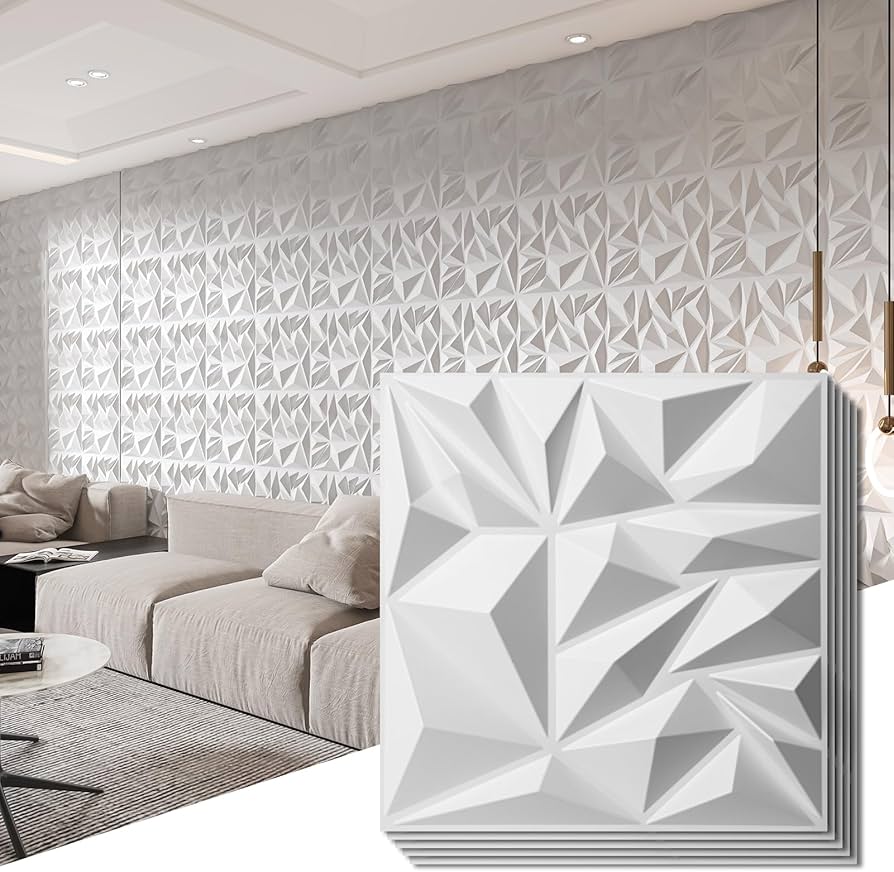
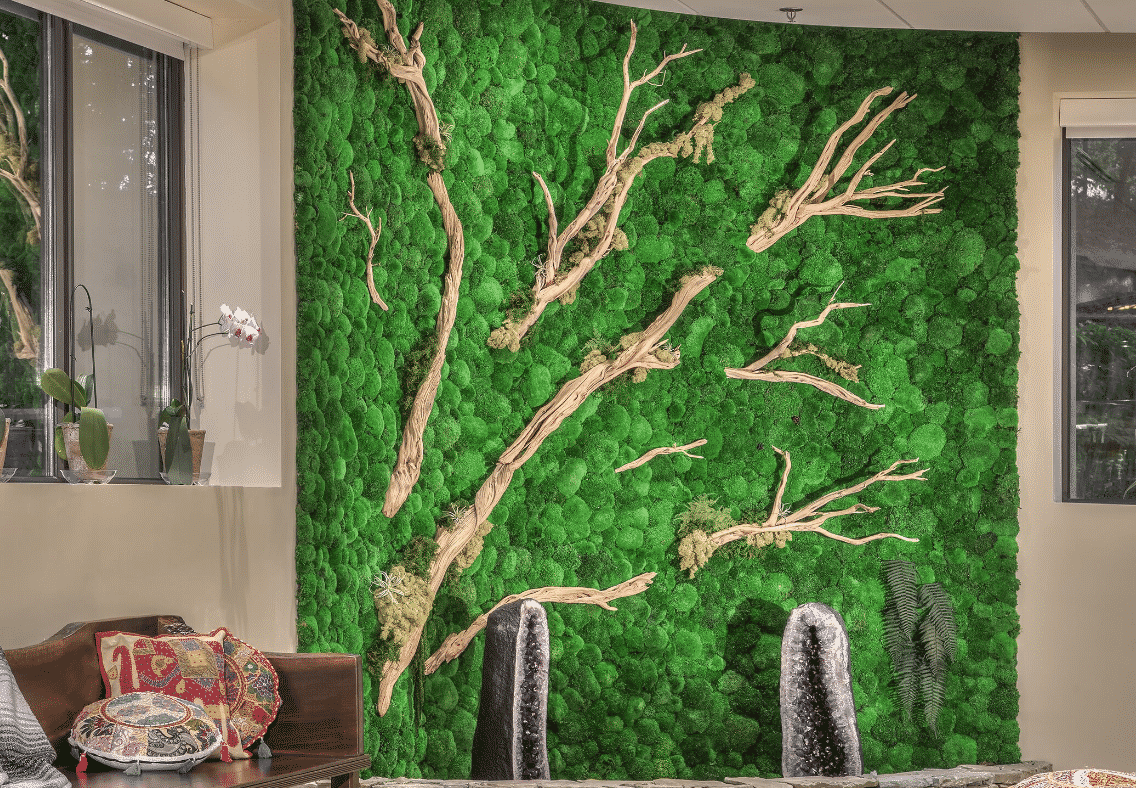
Biophilic design brings the outdoors in. Traditional wallpaper suggests nature, but 3D wall panels replicate the texture and depth of organic materials. Feeling the ridges and knots of reclaimed timber is more impactful than seeing a picture of wood grain. That tactile experience is key.
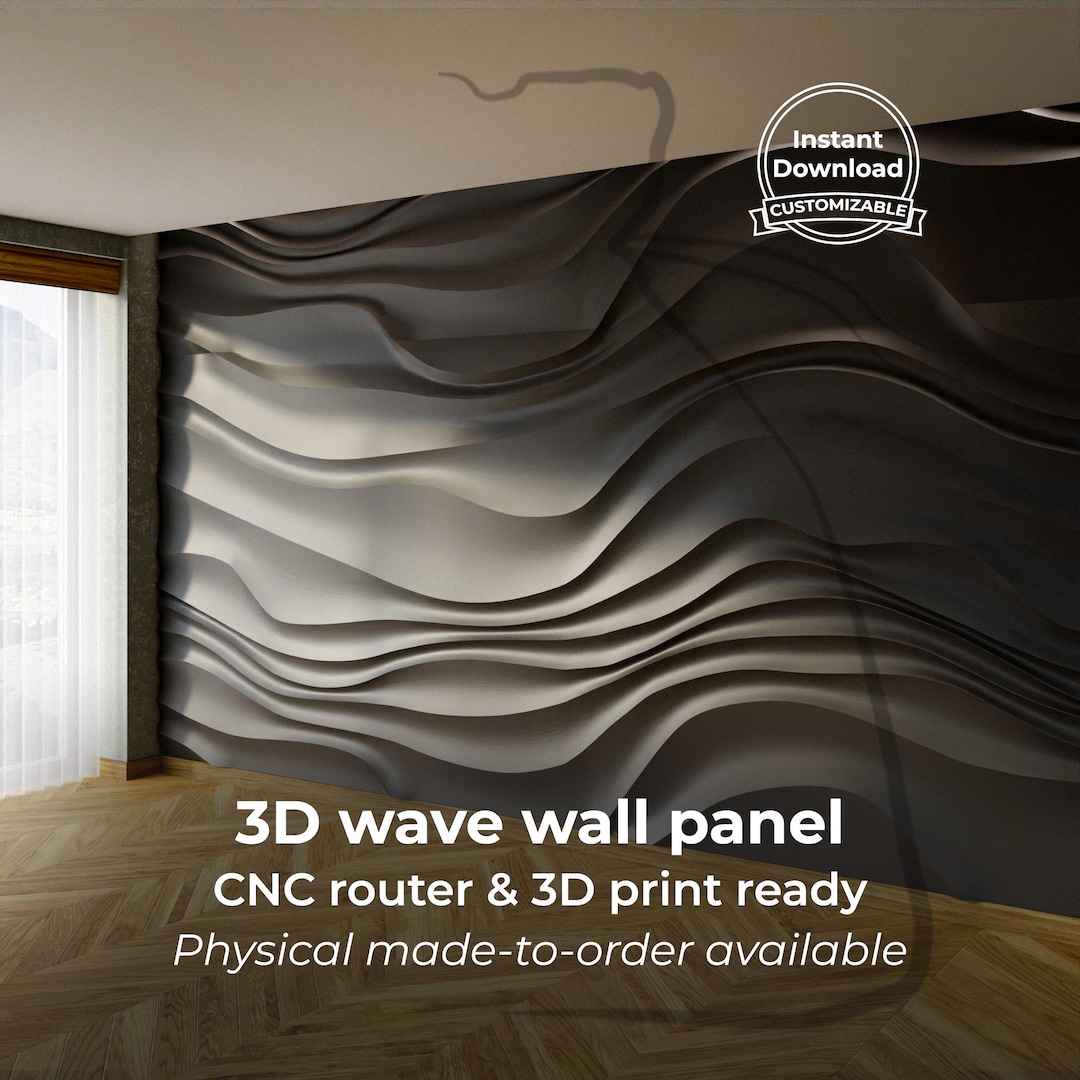
Today's panels offer sophisticated designs beyond mimicking wood or stone. Designers use 3D panels to create abstract representations of natural forms like flowing water, leaf patterns, or geological strata. The technology allows for a level of detail and realism previously impossible. This is a fundamental shift in how we think about interior spaces.
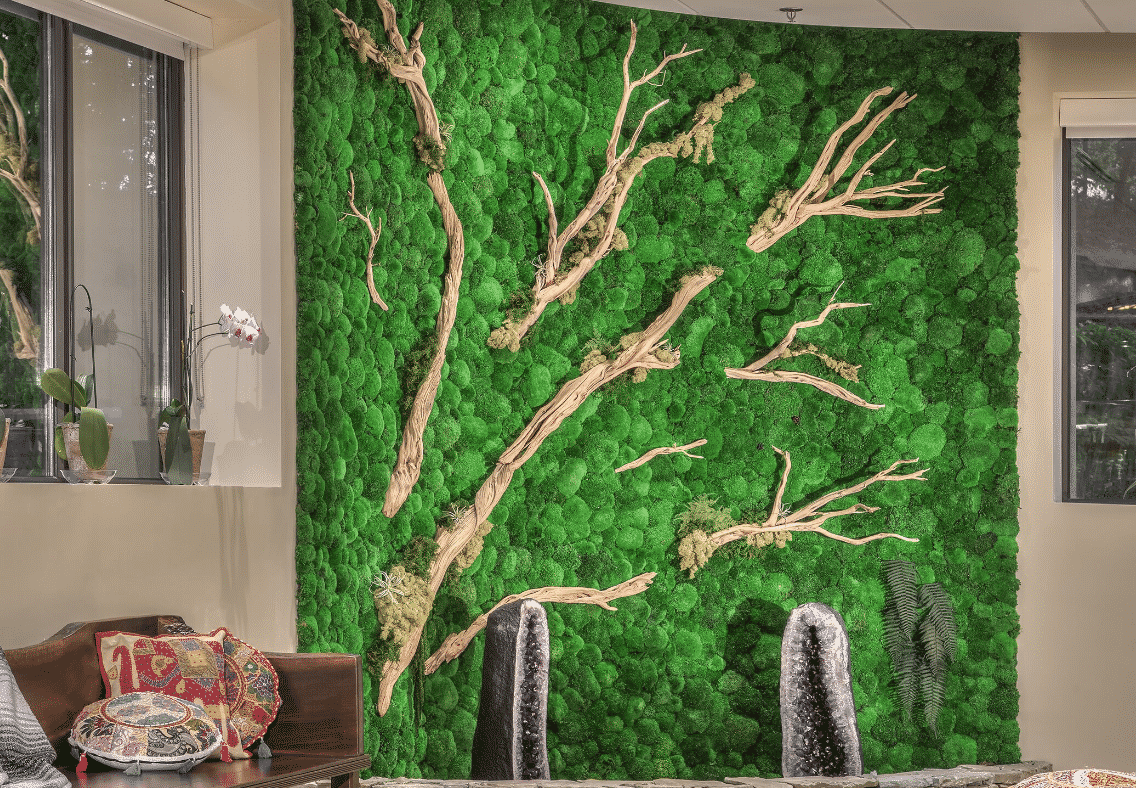
Material Innovations: Beyond Plastic
Many 3D wall panels once relied on plastics, which wasn't ideal for sustainability despite design flexibility. Material science is evolving rapidly, leading to a surge in eco-friendly alternatives. Bamboo fiber composites are becoming popular for their lightweight, strong, and renewable qualities.
Mycelium, the root structure of mushrooms, is another fascinating material that can be grown into specific shapes, creating organic and textured panels. Recycled wood pulp is also gaining traction, repurposing waste materials into wall coverings. Bamboo offers a warmer, natural feel, while mycelium has a more otherworldly texture.
At Whole 3D, we offer a range of sustainable material options. Our bamboo panels provide a durable and eco-conscious choice. Beautiful design shouldn’t come at the expense of the planet, and these new materials allow us to deliver both.
- Bamboo Fiber Composites: Lightweight, strong, and renewable.
- Mycelium: Organic texture, grown into specific shapes.
- Recycled Wood Pulp: Repurposes waste materials.
3D Wall Panel Material Comparison - 2026 Trends
| Material | Sustainability | Cost | Texture/Appearance | Durability | Ease of Installation |
|---|---|---|---|---|---|
| Bamboo | Very High - Renewable resource, fast growth. | Medium to Higher - Dependent on processing and sourcing. | Natural, organic feel; versatile patterns. | Medium - Can be susceptible to moisture damage if untreated. | Medium - Requires specific adhesives and tools for secure attachment. |
| Mycelium | Extremely High - Grown from agricultural waste, fully compostable. | Higher - Emerging technology, currently more expensive to produce. | Unique, organic texture; can be molded into complex shapes. | Medium - Relatively new material, long-term durability still being assessed. | Medium - Lightweight, but may require specialized adhesives. |
| Recycled Wood Pulp | High - Utilizes waste material, reduces deforestation. | Medium - Generally more affordable than virgin materials. | Varied - Can mimic wood grain or create smooth, modern finishes. | Medium to High - Density and treatment influence durability. | Easy - Often available as lightweight panels, simple adhesive application. |
| Traditional Plastic | Low - Fossil fuel-based, not biodegradable. | Lower - Typically the most affordable option. | Highly versatile - Wide range of colors, textures, and patterns. | High - Resistant to moisture and impact. | Very Easy - Lightweight, often self-adhesive or with simple mounting systems. |
Qualitative comparison based on the article research brief. Confirm current product details in the official docs before making implementation choices.
3D wall panels can add depth, style, and character to any room. #WallTrends #HomeStyle https://t.co/CDhQ6ioCKb
— Oleg Nazarenko (@OlegNazarenko9) April 8, 2026
Acoustic Comfort: Panels as Sound Dampeners
More people working from home prioritize quiet spaces, making acoustic comfort a major concern. Hard surfaces reflect sound, creating echoes and noise. 3D wall panels, with their textured surfaces, absorb sound waves, reducing reverberation and improving sound quality.
Sound absorption varies with material and panel texture depth. Thicker, more porous materials perform better. While not a replacement for dedicated soundproofing, 3D panels make a noticeable difference, especially in smaller rooms.
This topic was explored in our article on using 3D wall panels in home theaters. The principles apply to home offices or any space where noise reduction is desired. Consider acoustic panels in addition to aesthetic 3D panels for maximum effect.
Smart Integration: Responsive Walls
Integrating 3D wall panels with smart home technology is exciting. Imagine panels with LED lighting, controllable via voice assistants like Alexa or Google Home, allowing you to change color and intensity to create different moods or highlight specific areas.
Beyond simple lighting, panels could change texture or color based on environmental factors or preferences. This is still conceptual, but advancements in materials and micro-robotics could make it a reality, with panels subtly shifting color to complement artwork or adjusting texture to optimize acoustics.
Panels could integrate with smart thermostats, changing color to indicate room temperature or adjusting thermal properties to help regulate climate. They could also sync with sound systems, pulsing with music. While the technology isn’t mainstream, the possibilities are exciting.
Cost and complexity are the biggest hurdles. Developing these panels requires significant engineering and manufacturing expertise. As the technology matures and becomes more affordable, wider adoption is expected.
Geometric Complexity: Beyond Simple Patterns
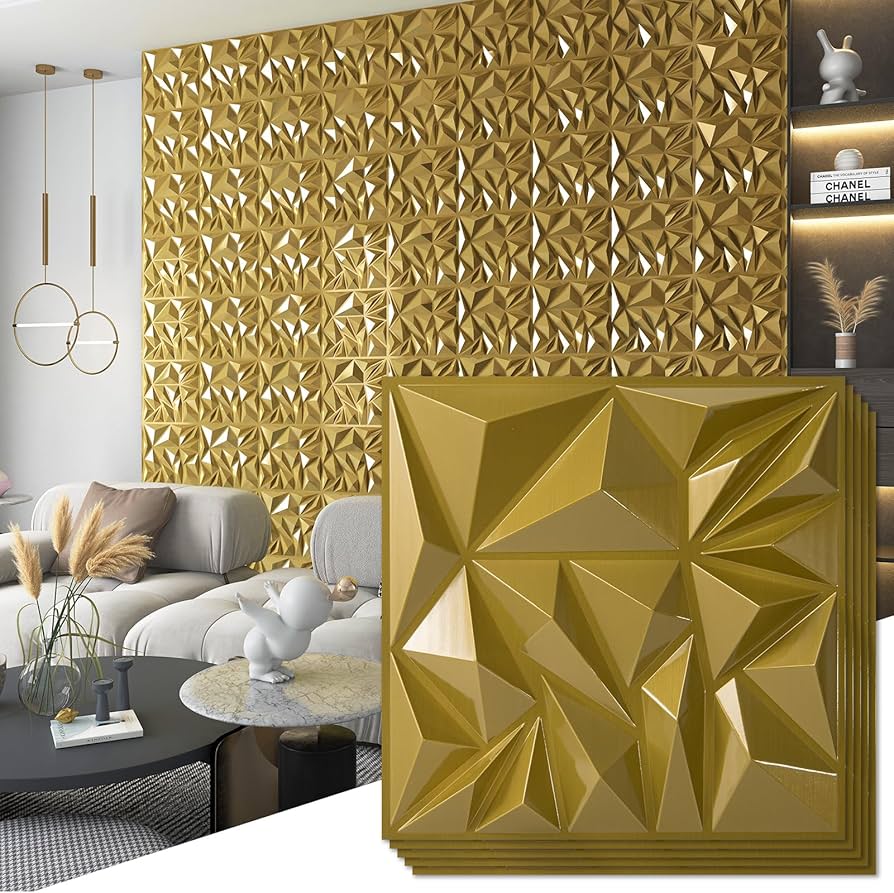
Early 3D wall panels featured simple, repeating geometric shapes. The trend now moves towards more intricate and complex designs, with growing interest in fractal patterns that mimic nature's branching structures. These patterns create depth and visual interest.
Voronoi patterns, inspired by cellular structures, are also gaining popularity, breaking down surfaces into irregular polygons for a dynamic, organic feel. Designers are experimenting with flowing, organic forms that evoke natural landscapes or abstract art.
Designers like Zaha Hadid, though not directly creating wall panels, have significantly influenced pushing the boundaries of geometric form. Their fluid, sculptural designs inspire complexity in 3D wall panel design. These complex designs manipulate light and shadow, adding another dimension to the space.
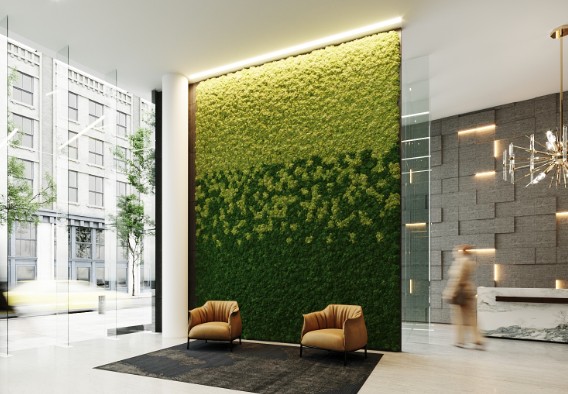
Color Palettes: Earth Tones and Muted Hues
In 2026, expect a shift away from bright, bold colors. There will be a greater emphasis on natural, earthy tones – terracotta, olive green, beige, and warm grays. These colors complement biophilic designs and create calm and tranquility.
Muted pastels, like dusty rose and sage green, will also be prominent, adding color without overwhelming the space. Textured finishes will add depth and visual interest, with panels showing subtle variations in tone or a slightly rough surface.
The goal is warmth and authenticity. These color palettes work well with wood, stone, metal, and glass, providing a versatile backdrop for artwork and decorative elements.
Installation and Customization: DIY vs. Pro
Installing 3D wall panels can be a simple DIY project or a complex undertaking requiring professional assistance. Many panels use an adhesive backing for easy application, while others feature interlocking systems for a seamless fit. Difficulty depends on wall size, pattern complexity, and DIY skills.
For smaller projects and simpler patterns, DIY is feasible. For larger walls or intricate designs, hiring a professional is recommended. A professional installer has the tools and experience for a flawless finish. Detailed installation guides on our website can help assess if a project is
Customization is also becoming increasingly accessible. Many manufacturers offer panels that can be cut to size, painted, or even 3D-printed to specific designs. This allows you to create a truly unique and personalized look. This is particularly appealing for those with unusual wall dimensions or specific aesthetic requirements.
Looking Ahead: The Future of Textured Surfaces
The future of 3D wall panels is incredibly promising. We can expect to see continued advancements in materials, with a focus on sustainability and performance. Smart integration will become more sophisticated, with panels that respond to our needs and preferences in increasingly intuitive ways.
AI and generative design could play a significant role in creating personalized 3D wall panel patterns. Imagine being able to input your design preferences and have an AI generate a unique pattern tailored to your space. The possibilities are endless. While predicting the future is always uncertain, one thing is clear: textured surfaces are here to stay.
The demand for immersive and engaging interior spaces will only continue to grow. 3D wall panels offer a versatile and innovative way to achieve this, and we’re excited to be at the forefront of this evolving trend.
No comments yet. Be the first to share your thoughts!