

Walls That Listen: The Rise of Intelligent Decor
Imagine waking up in 2026 and your living room subtly shifts to match your mood. The wall panels, responding to your sleep data from a wearable, gently adjust the lighting to mimic a sunrise, while a calming scent of lavender subtly fills the air. This isn't science fiction; it's a realistic glimpse into how AI-powered 3D wall panels are poised to revolutionize interior design. We're moving beyond simply decorating a space to creating environments that actively respond to our needs.
For years, smart home technology has focused on individual devices – thermostats, lights, speakers. Now, the trend is toward integration, and walls, those large, often-overlooked surfaces, are becoming the central hub. This isn’t about slapping a screen onto a wall; it’s about embedding intelligence within the wall itself. It’s a shift from static decoration to a dynamic, responsive element of the home.
I believe the appeal lies in the seamlessness. People are tiring of managing dozens of apps and devices. They want technology to fade into the background and simply work. AI-powered wall panels offer a way to achieve that. They consolidate functionality, reducing clutter and creating a more harmonious living experience. This is a natural progression from the current smart home trajectory, where convenience and personalization are paramount.
The technology isn’t appearing overnight, of course. We’ve already seen advancements in 3D wall panels focused on aesthetics and ease of installation, as Whole3D has demonstrated. Now, that foundation is being built upon with the addition of sophisticated sensors, AI algorithms, and connectivity features. It’s a gradual evolution, but one that’s accelerating quickly.
Beyond Texture: What AI Adds to 3D Panels
The core difference between today’s 3D wall panels and those anticipated for 2026 is the integration of artificial intelligence. This isn’t just about adding a Bluetooth speaker; it's about creating a system that proactively manages the environment. Consider the ability to monitor air quality with built-in sensors and automatically activate air purification systems when needed. Or panels that adjust temperature and humidity levels based on occupancy and weather patterns.
Dynamic lighting is another key feature. AI can learn your circadian rhythm and adjust the color temperature of the panels throughout the day to promote wakefulness in the morning and relaxation in the evening. This goes beyond simple dimming; it’s about optimizing light for both physical and mental wellbeing. Integrated sound systems are also likely, potentially using bone conduction technology for a more immersive and private audio experience.
Perhaps surprisingly, subtle scent diffusion is also emerging as a possibility. Micro-diffusion technology could release calming or energizing aromas based on the time of day or your current activity. These features aren’t isolated; they work together to create a holistic and personalized environment. The panels aren’t just responding to commands; they’re anticipating your needs.
A critical component enabling this functionality is edge computing. Processing data locally, within the panel itself, rather than relying on the cloud, results in faster response times and increased privacy. This is particularly important for sensitive data like sleep patterns or health metrics. Be.Smart documentation details the importance of local data processing in similar smart home applications, and this trend will undoubtedly extend to 3D wall panels.
- Environmental Control: Temperature, humidity, air purification.
- Dynamic Lighting: Adjusts to circadian rhythms.
- Integrated Sound: Immersive audio experiences.
- Scent Diffusion: Subtle aromas for mood enhancement.
AI-Driven Features
- Adaptive Lighting - Utilizing embedded sensors and AI algorithms, these panels dynamically adjust brightness and color temperature based on natural light levels and room usage, creating optimal illumination throughout the day. Systems like Philips Hue can be integrated for seamless control.
- Environmental Sensing & Control - AI-powered 3D wall panels can monitor temperature, humidity, and air quality, automatically adjusting smart thermostats (like Nest) and air purifiers to maintain a comfortable and healthy indoor environment.
- Integrated Audio - Panels incorporating acoustic technology and AI can deliver immersive soundscapes. These systems learn user preferences and optimize audio distribution, potentially integrating with platforms like Sonos for multi-room audio control.
- Personalized Art Display - Panels featuring e-ink or micro-LED technology can display dynamic artwork, curated by AI based on user taste, time of day, or even current events. Integration with digital art platforms is a growing trend.
- Mood-Based Ambiance - Through voice control or pre-set profiles, AI algorithms can orchestrate lighting, audio, and even subtle panel texture changes (where applicable) to create specific moods – from relaxing to energizing.
- Energy Efficiency Optimization - AI analyzes room occupancy, lighting needs, and temperature preferences to minimize energy consumption. This includes automated adjustments and reporting through platforms like Sense to identify energy-wasting appliances.
- Security Integration - Utilizing built-in microphones and motion sensors, AI-powered panels can detect unusual sounds or activity, triggering alerts and integrating with existing home security systems like Ring or SimpliSafe.
Installation & Compatibility: A 2026 Outlook
Installation is a major consideration, and manufacturers are keenly aware of this. I expect to see a continued emphasis on ease of installation, building on the progress already made with products like Whole3D’s panels. While professional installation will likely remain an option, particularly for complex configurations, the goal is to make DIY installation accessible to a wider audience.
The panels will need to integrate seamlessly with existing smart home ecosystems. Compatibility with Apple HomeKit, Google Home, and Amazon Alexa is almost a given. The degree of integration will vary, of course. Full integration means voice control, automation routines, and the ability to incorporate panel data into broader smart home scenarios.
Standardized APIs and protocols are crucial for interoperability. While a single, universal standard is unlikely, I anticipate the emergence of a few dominant protocols that will allow panels from different manufacturers to communicate with each other. This will prevent vendor lock-in and foster innovation. The question is whether these will be built on existing standards like Matter or something entirely new.
Power requirements and wiring will also be important factors. Panels will likely require a dedicated power supply, and some may require low-voltage wiring for sensors and actuators. Wireless power transfer is a possibility, but it's still an emerging technology. The ability to conceal wiring within the wall cavity will be essential for a clean, aesthetically pleasing installation.
- Ensure compatibility with existing smart home ecosystems (Apple HomeKit, Google Home, Amazon Alexa).
- Look for panels that support standardized APIs for interoperability.
- Consider power requirements and wiring options during installation.
Design Trends: What’s Popular in 2026?
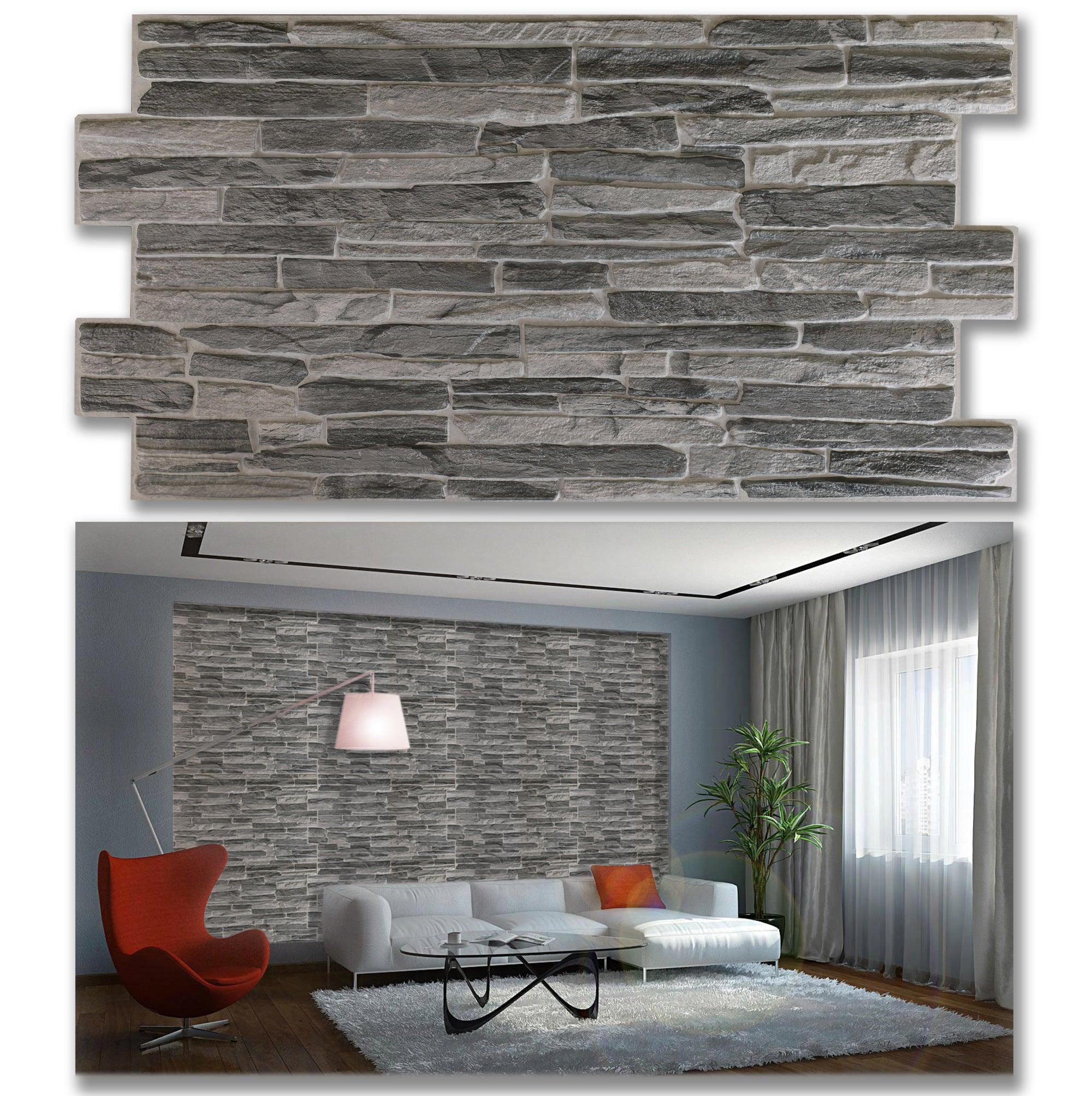
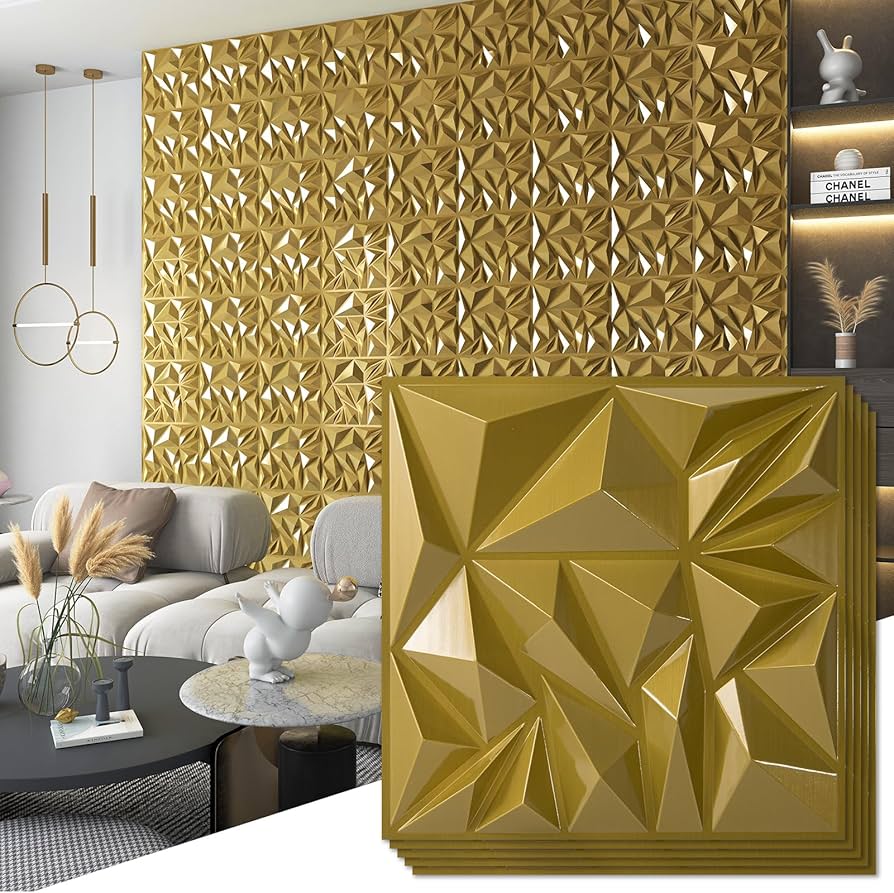
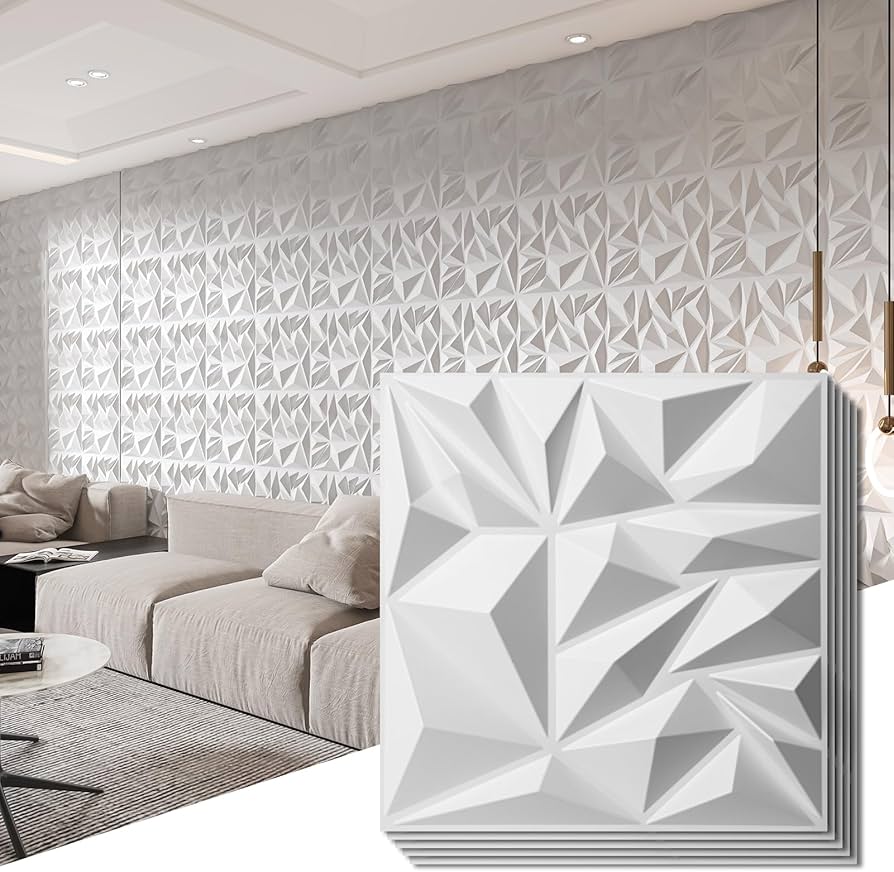
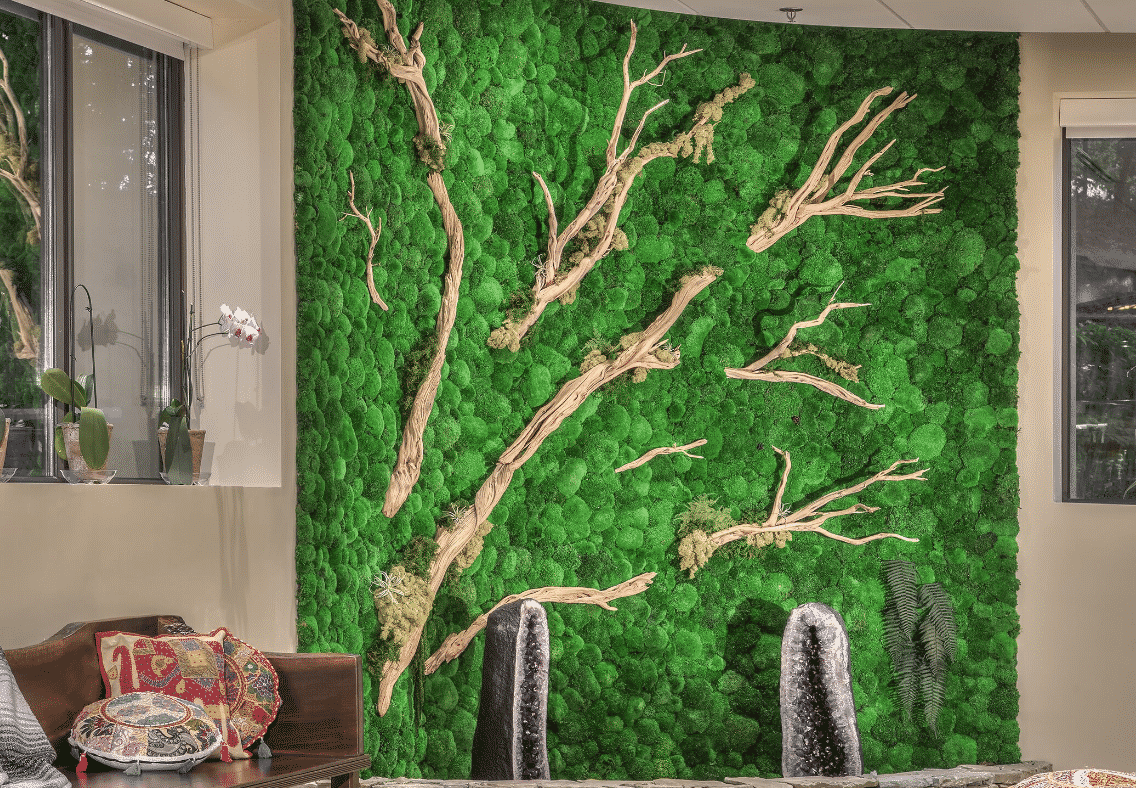
Current trends, as highlighted on Whole3D, point towards a growing demand for geometric patterns, organic textures, and biophilic designs. Expect to see more panels that mimic natural materials like wood, stone, and leaves. These designs aim to bring the outdoors in, creating a more calming and restorative environment. Sustainability will also be a key driver, with manufacturers increasingly using recycled and renewable materials.
However, the real excitement lies in the potential for AI-generated designs. Imagine uploading a photo of your living room and having an AI algorithm generate a custom 3D panel configuration that perfectly complements the existing aesthetic. This level of personalization was previously unattainable, but it’s becoming increasingly feasible.
Modular and reconfigurable panels are also gaining traction. This allows homeowners to easily change the look and feel of their walls without having to replace the entire system. Panels can be swapped out, rotated, or rearranged to create different patterns and textures. This flexibility is particularly appealing to those who like to experiment with their decor.
I anticipate a move away from overly ornate or flashy designs towards more subtle and sophisticated textures. The goal is to create a sense of depth and dimension without overwhelming the space. Think muted colors, natural materials, and organic shapes. The panels should enhance the room, not dominate it.
Customization & Personalization: The AI Advantage
AI elevates customization to a new level. Beyond simply choosing a pre-designed pattern, users will be able to actively participate in the design process. Augmented reality (AR) integration will allow you to visualize different panel configurations and color schemes in your own home using your smartphone or tablet. This eliminates the guesswork and ensures that you’re happy with the final result.
The panels won’t just respond to your immediate commands; they’ll learn your preferences over time. AI algorithms will analyze your behavior – your lighting preferences, your temperature settings, your music choices – and automatically adjust the environment accordingly. This creates a truly personalized experience that anticipates your needs before you even realize them.
User-generated content will also play a significant role. Platforms will emerge where users can share their custom designs and sell them to others. This fosters a sense of community and allows for endless creativity. The ability to upload custom designs opens up a world of possibilities, allowing you to create truly unique and personalized walls.
This level of personalization isn’t just about aesthetics; it’s about wellbeing. AI can optimize the environment to promote relaxation, focus, or creativity, depending on your needs. It’s about creating a home that supports your lifestyle and enhances your quality of life.
Cost & Accessibility: A Realistic View
Let's be realistic: AI-powered 3D wall panels won’t be cheap, at least initially. Predicting exact prices is difficult, but I anticipate a wide range depending on the features, materials, and complexity. A basic panel with limited AI capabilities might start around $200-$300 per square foot, while a high-end panel with advanced features could easily exceed $500 per square foot.
Factors influencing cost include the type of sensors used, the processing power of the AI algorithms, the quality of the materials, and the complexity of the installation. Premium materials like sustainable wood or recycled metal will naturally command a higher price. The more features you add – air purification, scent diffusion, advanced lighting control – the more expensive the panels will become.
However, I expect to see more affordable entry-level options emerge over time. These panels might offer a limited set of features, but they’ll provide a taste of the technology at a more accessible price point. Mass production and economies of scale will also help to drive down costs. We might see simpler panels around the $100-$200 per square foot range.
The cost of installation will also need to be factored in. Professional installation can add a significant expense, but it ensures that the panels are installed correctly and safely. DIY installation can save money, but it requires a certain level of technical skill.
Maintenance & Longevity: Keeping Panels Smart
Maintaining AI-powered 3D wall panels will require a combination of hardware and software care. Software updates will be essential to ensure that the AI algorithms are functioning optimally and to address any security vulnerabilities. These updates could be delivered automatically over the air, similar to how smartphones receive updates.
Hardware repairs will be less frequent, but they’re still a possibility. The panels are likely to be designed with modular components, making it easier to replace individual parts if they fail. However, the availability of replacement parts will depend on the manufacturer and the age of the panels.
I'm concerned about planned obsolescence, a common issue in the tech industry. Choosing panels from reputable manufacturers with a commitment to long-term support is crucial. Look for companies that offer extended warranties and guaranteed software updates. Cleaning and care will also be important. The panels should be easy to clean with a damp cloth, and they should be resistant to dust and dirt.
The expected lifespan of the panels will depend on the quality of the materials and the frequency of use. However, with proper care, I expect them to last at least 10-15 years. It’s important to remember that these are not disposable products; they’re an investment in your home.
- Regular software updates for optimal performance and security.
- Modular components for easier hardware repairs.
- Choose reputable manufacturers with long-term support.
- Easy cleaning and maintenance.
The Future of Walls: Beyond 2026
Looking beyond 2026, the possibilities are truly exciting. We could see the integration of holographic projections, turning walls into dynamic displays that can show artwork, videos, or even virtual windows. Integrated health monitoring is another potential application, with panels that can track your vital signs and provide personalized health recommendations.
Fully immersive virtual reality experiences are also within reach. Walls could transform into portals to other worlds, allowing you to escape reality and explore new environments from the comfort of your own home. This would require advancements in display technology and haptic feedback systems, but it’s a plausible scenario.
Ultimately, the goal is to create homes that are truly intelligent and responsive. Walls will no longer be static barriers; they’ll be dynamic, interactive surfaces that adapt to our needs and enhance our lives. The future of walls is not just about aesthetics; it’s about creating environments that support our wellbeing and inspire our creativity.
This isn’t simply about adding more technology to our homes; it’s about seamlessly integrating technology into the fabric of our lives. It’s about creating spaces that are both functional and beautiful, and that enhance our connection to the world around us.
No comments yet. Be the first to share your thoughts!