

Beyond Flat: Why Textured Walls Are Taking Over in 2024
Minimalism once dominated interior design with its clean lines and flat surfaces. Now, people want more depth and tactile experiences at home, driving demand for textured walls. I think it's a reaction to our digital lives; we crave things we can feel.
3D wall panels lead this movement. Once niche, they're now mainstream for homeowners and designers. Accessibility is improving; you don't need a full renovation to add dimension. A single accent wall transforms a space. Brands like Whole 3D make achieving a high-end look affordable.
This goes beyond aesthetics. We're learning how environments impact well-being. Texture adds visual interest and engages touch, creating a stimulating, comforting atmosphere. This fits a design philosophy prioritizing nurturing spaces.
People want layered, interesting homes. They're moving from polished, showroom looks to lived-in, characterful aesthetics. 3D wall panels inject personality and warmth simply. This trend feels modern yet rooted in our need for physical connection.
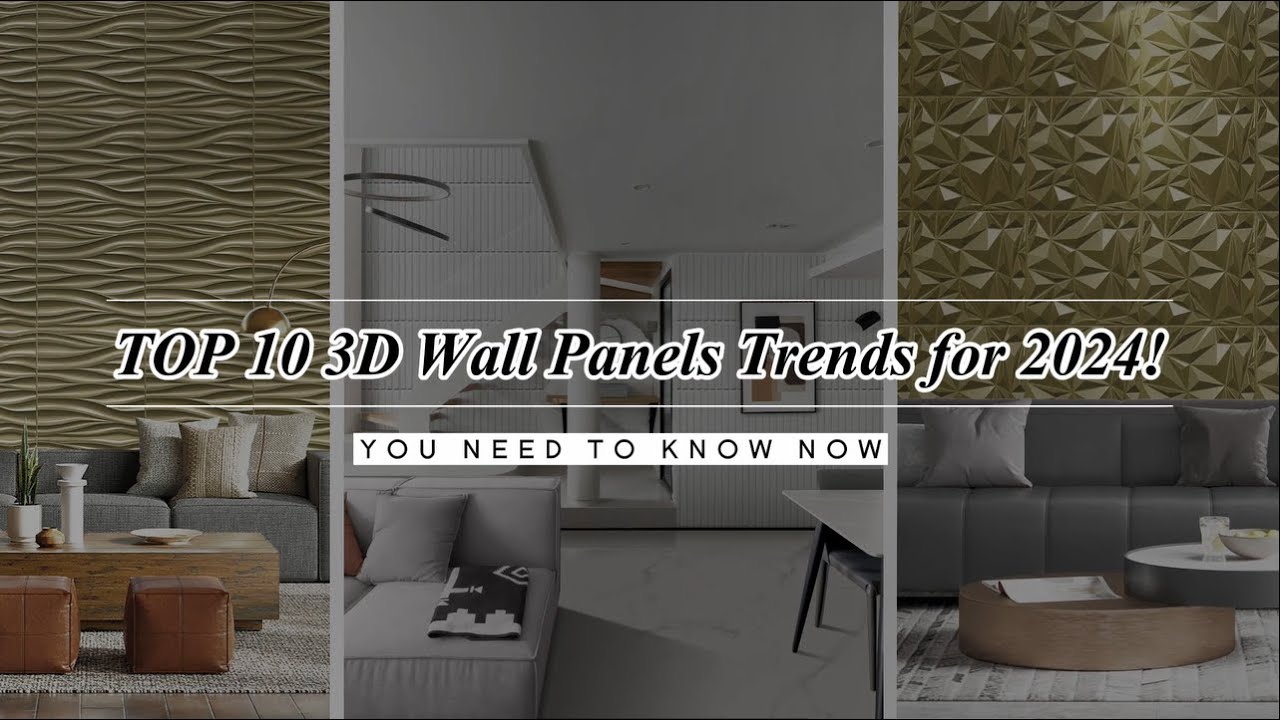
The Rise of Biophilic Design and 3D Wall Panels
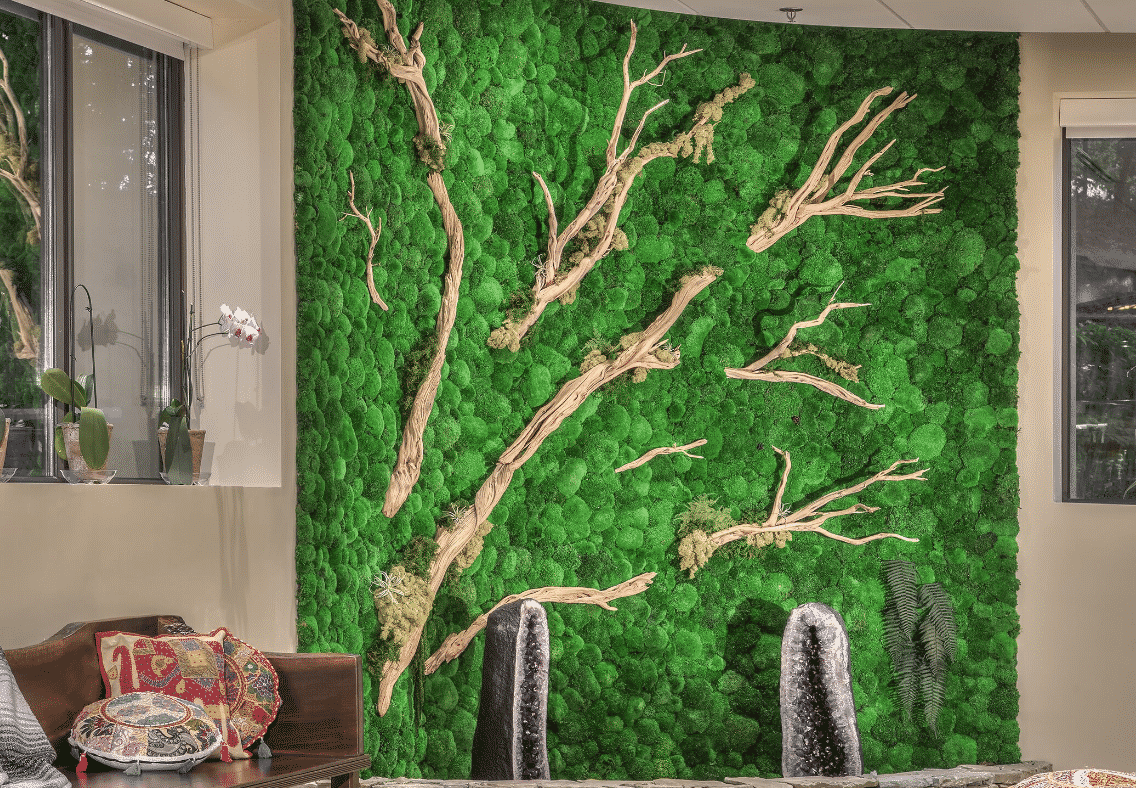
Biophilic design, incorporating natural elements into the built environment, defines 2024. It stems from the idea that humans connect innately with nature, and bringing the outdoors inside reduces stress, improves cognitive function, and enhances well-being. While not new, its popularity is exploding as people prioritize health.
3D wall panels fit this trend, especially organic textures like wood, stone, leaves, or waves. These panels visually connect spaces to nature, even in cities. They're a fantastic alternative to wallpaper or paint, adding depth and tactile elements flat surfaces can't match.
Panel material matters. PVC is durable and moisture-resistant, suitable for bathrooms or kitchens. Wood composite offers an authentic look and feel, while bamboo is sustainable. Whole 3D offers various materials to tailor your design.
I appreciate the low maintenance of 3D panels for biophilic design. Unlike living walls needing watering and pruning, 3D panels need minimal upkeep. You get a nature-inspired aesthetic without the responsibility—a win for busy homeowners. The impact is significant; rooms feel instantly calming and inviting.
Geometric Glamour: Bold Patterns and Modern Aesthetics
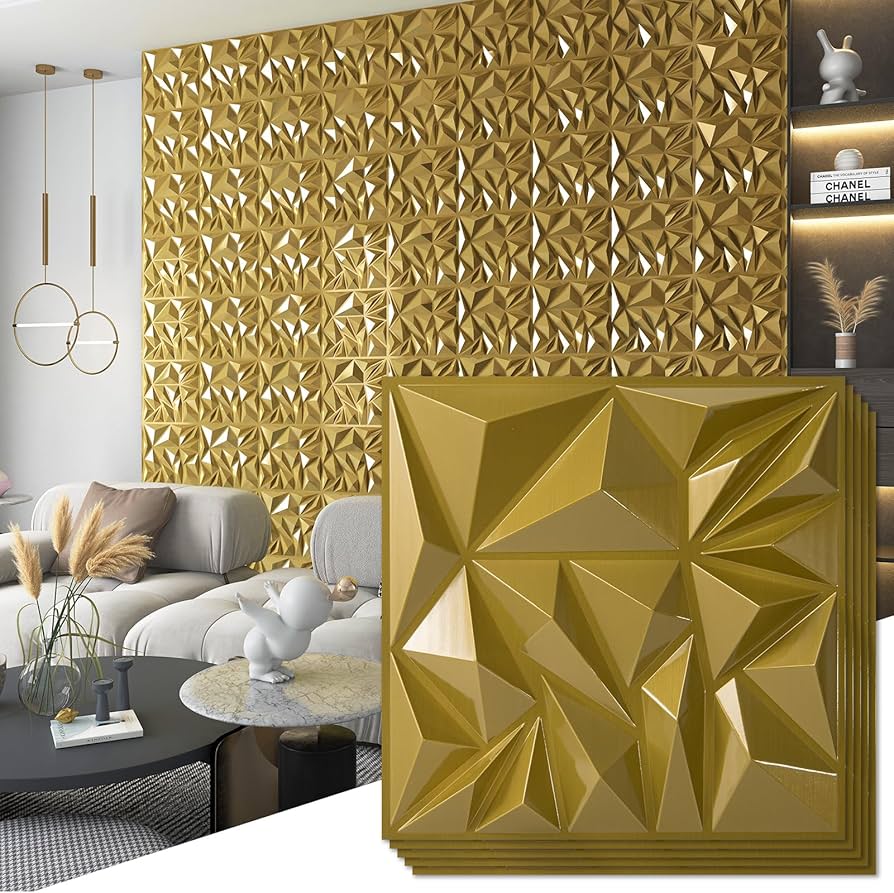
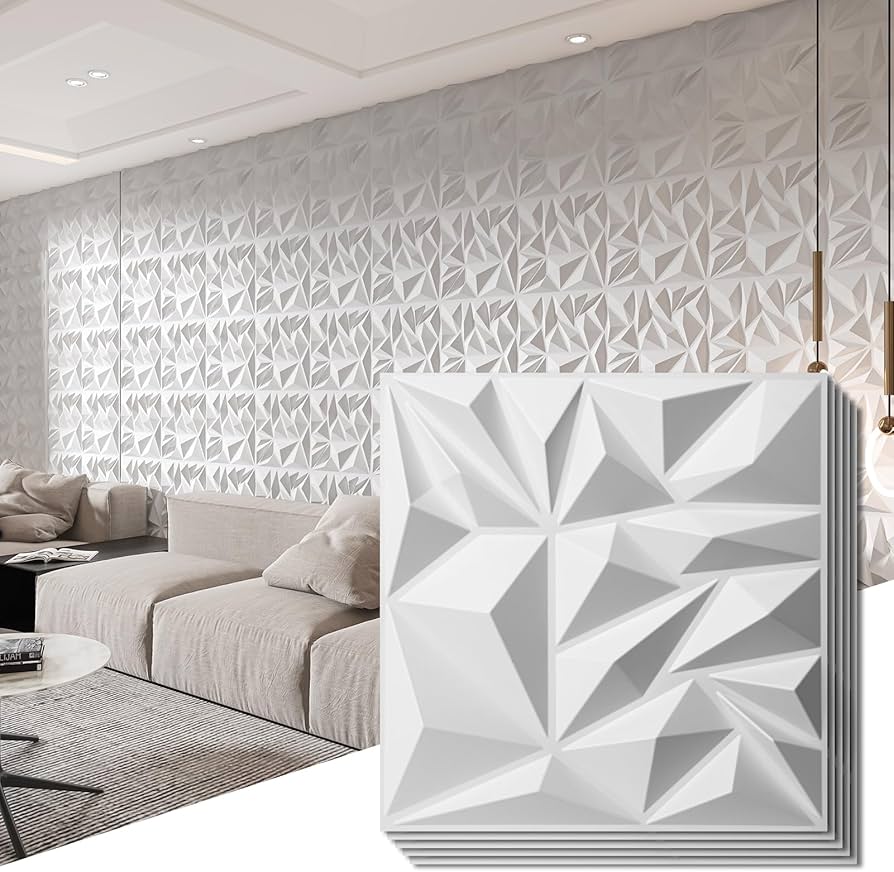
Geometric 3D wall panels also make a statement in modern interiors. These designs add a sophisticated, contemporary edge, visual interest, and dynamism. They're effective in living rooms, bedrooms, and home offices.
Different geometric shapes have considerable impact. Hexagons create a honeycomb effect, adding subtle texture and organic order. Chevrons introduce a dynamic zig-zag pattern, making rooms feel larger. Triangles offer an angular, dramaticc look, perfect for creating a focal point. I've seen some incredible commercial spaces use large-scale triangular panels to create a truly striking environment.
Color palettes play a crucial role in maximizing the impact of geometric designs. Monochrome schemes—think shades of gray, white, and black—create a sleek and minimalist look. But don’t be afraid to experiment with bold, contrasting colors like navy blue and gold, or emerald green and brass. Art3dwallpanels, for example, offers 33-pack interior panels in a variety of color combinations.
These panels aren’t just for residential spaces either. I've noticed a growing trend of using geometric 3D panels in commercial settings like restaurants, retail stores, and even hotel lobbies. They add a touch of sophistication and visual interest, creating a memorable experience for customers. The key is to choose a design that complements the overall brand aesthetic.
- Hexagons: Creates a honeycomb effect, subtle texture.
- Chevrons: Zig-zag pattern, makes a room feel more spacious.
- Triangles: Angular and dramatic, creates a focal point.
Geometric 3D Wall Panel Installation: Easy DIY Transformation (Time-Lapse)
Whole 3D Official
Watch on YouTube →Texture Takes Center Stage: Organic and Natural Finishes
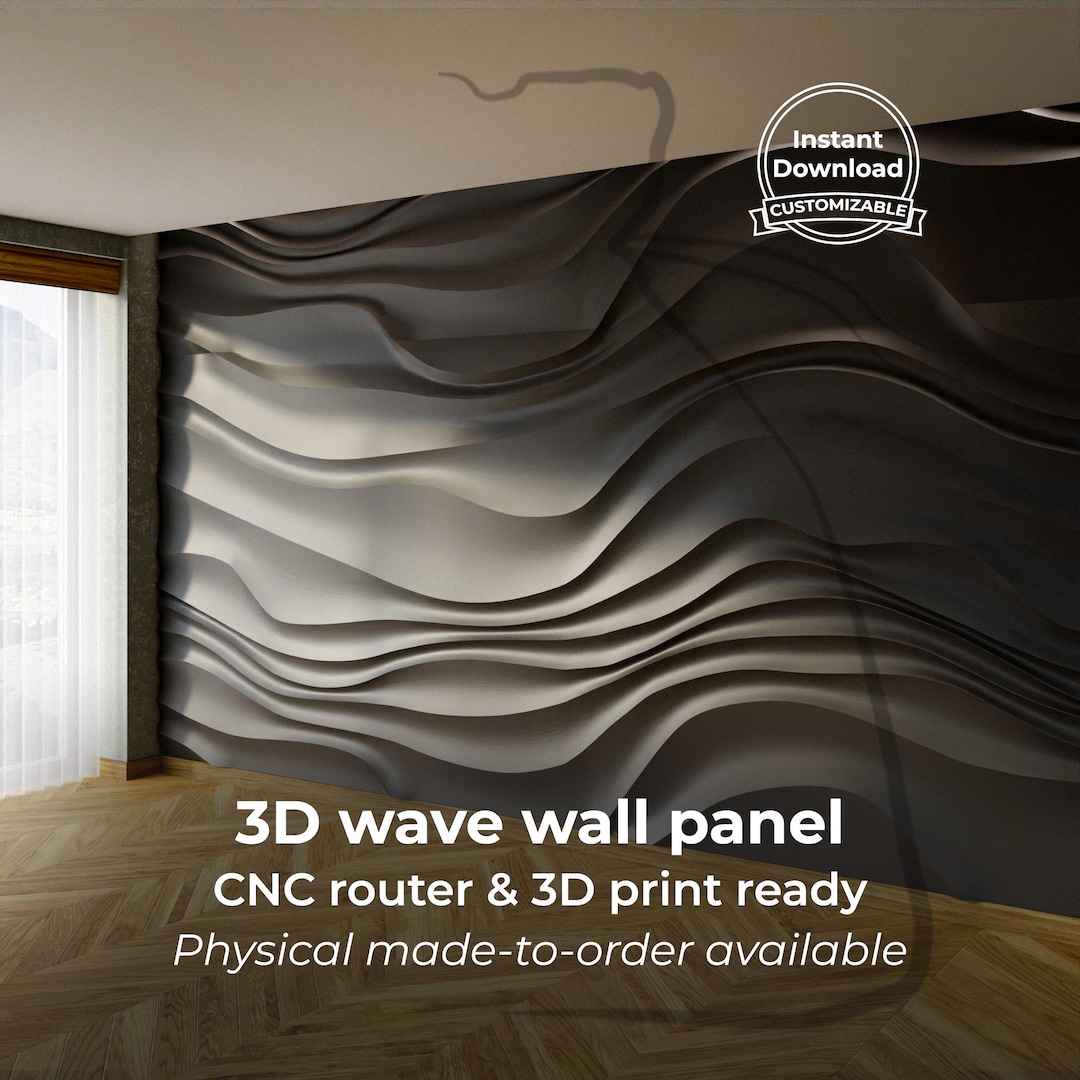
While geometric designs are undeniably popular, there's also a strong pull towards 3D panels that emulate natural textures—wood, stone, brick, and even organic forms like waves. These panels provide a tactile experience that’s incredibly appealing, adding warmth, depth, and a sense of authenticity to a room. They’re a fantastic way to introduce texture without overwhelming the space.
The beauty of these textures lies in their versatility. Wood-look panels work beautifully in farmhouse, rustic, or Scandinavian-inspired interiors. Stone-look panels add a touch of Mediterranean charm or industrial edge. Brick-look panels create a cozy and inviting atmosphere. The possibilities are endless. Consider how the texture will interact with light; the shadows and highlights will change throughout the day, adding another layer of visual interest.
Pairing these textures with different interior styles is key. For a modern rustic look, combine wood-look panels with sleek furniture and metallic accents. To create a coastal vibe, opt for wave-like panels in shades of blue and white. And for a more traditional aesthetic, consider stone-look panels in warm, earthy tones. It's all about creating a cohesive and harmonious look.
Lighting is crucial when working with textured walls. Uplighting can accentuate the depth and dimension of the panels, while downlighting can create dramatic shadows. Experiment with different lighting techniques to find what works best for your space. I’ve found that warmer light temperatures tend to enhance the natural look of wood and stone textures.
Beyond the Living Room: Unexpected Places to Use 3D Wall Panels
We often think of 3D wall panels as being reserved for living rooms and bedrooms, but their versatility extends far beyond these traditional spaces. Don’t be afraid to get creative and experiment with using panels in hallways, home offices, dining rooms, and even bathrooms. They can add a touch of personality and sophistication to any room.
In hallways, 3D panels can create a welcoming and visually interesting entrance. In home offices, they can add a touch of texture and warmth, making the space feel more inviting and less sterile. In dining rooms, they can create a dramatic focal point, perfect for entertaining guests. I've seen some stunning dining rooms with dark wood-look panels paired with a modern chandelier.
Using panels to define zones within open-plan spaces is another clever idea. For example, you could use panels to create a visual separation between the living area and the dining area. Or you could use panels as a headboard in a bedroom, adding a touch of luxury and sophistication. Whole 3D offers panels that are easily adaptable to these kinds of applications.
Don't overlook commercial spaces. Restaurants, retail stores, and even gyms can benefit from the visual impact of 3D wall panels. They can create a unique and memorable atmosphere, attracting customers and enhancing the overall brand experience. I recently visited a boutique hotel that used 3D panels in the lobby to create a stunning first impression.
DIY vs. Professional Installation: What's Right for You?
One of the biggest questions people have when considering 3D wall panels is whether to install them themselves or hire a professional. Both options have their pros and cons. DIY installation can save you money, but it requires a certain level of skill and patience. Professional installation, on the other hand, is more expensive, but it ensures a flawless finish.
DIY installation is definitely achievable for handy homeowners. Most panels come with easy-to-follow instructions and can be installed using basic tools like a measuring tape, level, adhesive, and utility knife. However, it’s important to be precise and take your time. Mistakes can be costly and time-consuming to fix. Whole 3D provides comprehensive installation guides and videos on their website to help you through the process.
Professional installation is a good option if you’re not comfortable with DIY projects or if you’re dealing with a large or complex installation. A professional installer will have the experience and expertise to ensure a perfect finish. However, the cost can vary depending on the size of the project and the location. I’m not sure about average installation costs, but it's worth getting quotes from several installers.
Ultimately, the best option depends on your skill level, budget, and time constraints. If you’re confident in your abilities and willing to put in the effort, DIY installation can be a rewarding experience. But if you’re not, hiring a professional is a smart investment. Just make sure to choose a reputable installer with a proven track record.
Material Matters: Choosing the Right 3D Wall Panel for Your Needs
The material of your 3D wall panel is just as important as the design. Different materials offer different levels of durability, cost, moisture resistance, and environmental impact. It’s essential to choose a material that aligns with your specific needs and budget. PVC is a popular choice due to its affordability and water resistance, making it ideal for bathrooms and kitchens.
Wood composite panels offer a more natural look and feel, but they’re typically more expensive than PVC. They’re also more susceptible to moisture damage, so they’re not ideal for high-humidity environments. Bamboo panels are a sustainable and eco-friendly option, offering a unique texture and a warm, inviting aesthetic. Metal panels provide a sleek and modern look, but they can be more challenging to install.
When considering the environmental impact of your choice, look for panels made from recycled materials or sustainable sources. Bamboo is a rapidly renewable resource, making it an excellent eco-friendly option. Whole 3D is transparent about their material sourcing and offers a range of sustainable choices. Also, be sure to check the fire resistance rating of the panel, especially if you're installing it in a public space.
Durability is also a key consideration. If you have children or pets, you’ll want to choose a panel that can withstand wear and tear. PVC and metal panels are generally the most durable options. Cost, of course, is a factor for many homeowners. PVC is typically the most affordable material, followed by wood composite and then bamboo and metal. Weigh your priorities and choose the material that best fits your needs.
- PVC: Affordable, water-resistant, durable.
- Wood Composite: Natural look, more expensive, susceptible to moisture.
- Bamboo: Sustainable, eco-friendly, unique texture.
- Metal: Sleek, modern, challenging to install.
2024 3D Wall Panel Material Comparison
| Material | Approximate Cost (per sq ft) | Durability (1-5, 5=Highest) | Moisture Resistance (1-5, 5=Highest) | Environmental Impact | Fire Resistance Rating (Class A is best) |
|---|---|---|---|---|---|
| PLA Plastic | $2 - $5 | 3 | 2 | Low (Biodegradable under industrial composting) | Class C |
| ABS Plastic | $3 - $7 | 4 | 3 | Medium (Recyclable in some areas) | Class B |
| Wood Fiber (MDF/HDF) | $4 - $8 | 3 | 2 | Medium (Renewable resource, but uses adhesives) | Class C |
| Bamboo Fiber Composite | $6 - $12 | 4 | 4 | Low (Rapidly renewable resource) | Class B |
| Aluminum Composite | $8 - $15 | 5 | 5 | Medium (Recyclable, energy-intensive production) | Class A |
| Gypsum Composite | $3 - $6 | 2 | 3 | Medium (Naturally occurring, but mining impact) | Class A |
| PVC | $2 - $4 | 4 | 5 | High (Non-biodegradable, potential for harmful emissions) | Class B |
Data sourced from AI research — verify before making decisions
Staying Ahead of the Curve: Future Trends in 3D Wall Design
The world of 3D wall panels is constantly evolving. We’re likely to see even more innovation in the years to come, with a focus on integrating technology, sustainability, and personalization. I predict we’ll see more panels with built-in lighting, creating dramatic effects and adding a new dimension to interior design. Imagine panels that can change color or pattern with the touch of a button.
Soundproofing is another area where 3D panels could play a bigger role. Panels with acoustic properties can help reduce noise levels in busy homes or offices, creating a more peaceful and productive environment. Customizable panels that allow users to create their own unique designs are also on the horizon. This will empower homeowners to truly personalize their spaces and express their individual style.
Sustainability will continue to be a major driver of innovation. We’ll see more panels made from recycled materials and eco-friendly manufacturing processes. Brands like Whole 3D are already leading the way in this area, and I expect others to follow suit. The demand for environmentally responsible products is only going to increase.
Whole 3D is well-positioned to lead these future trends. Their commitment to innovation, sustainability, and customer satisfaction makes them a leader in the 3D wall panel industry. I’m excited to see what they come up with next. The future of wall design is undoubtedly textured, dynamic, and full of possibilities.
- Smart Panels: Built-in lighting, color-changing capabilities.
- Acoustic Panels: Soundproofing properties for quieter spaces.
- Customizable Designs: User-created patterns and textures.
- Sustainable Materials: Recycled content, eco-friendly manufacturing.
What 3D wall panel trend are you most excited about for your next home project?
The world of 3D wall panels is evolving rapidly, with exciting new design directions emerging in 2024. From bold geometric statements to nature-inspired textures, there is a style to suit every taste and space. We want to hear from you — which trend is catching your eye and inspiring your next home transformation? Vote below and share your thoughts with the Whole 3D community!
No comments yet. Be the first to share your thoughts!