

3D wall panels limits to account for
3D wall panels transform flat surfaces into focal points, but material choice and installation complexity dictate their longevity. This guide breaks down the practical constraints of fit, maintenance, and budget to help you select options that survive normal use.
Start by identifying the wall’s role. High-traffic areas like entryways or kitchens benefit from durable, moisture-resistant materials like PVC or polyurethane. Living rooms and bedrooms allow for more delicate textures, such as gypsum or wood composites, which add warmth but require protection from humidity.
3D wall panels choices that change the plan
A practical choice should survive normal use, maintenance, timing, and budget. If a recommendation only works in an ideal situation, call that out plainly and give the reader a fallback path.
| Factor | What to check | Why it matters |
|---|---|---|
| Fit | Match the option to the primary use case. | A good deal still fails if it does not fit the job. |
| Condition | Verify age, wear, and service history. | Hidden condition issues erase upfront savings. |
| Cost | Compare purchase price with likely upkeep. | The cheapest option is not always the lowest-cost option. |
How to choose the right 3D wall panels
Customizable 3D wall panels transform a flat surface into a focal point, but the sheer variety of materials and profiles can make selection difficult. This decision framework breaks the process into four practical steps: defining the space, selecting the material, planning the installation, and verifying the budget.
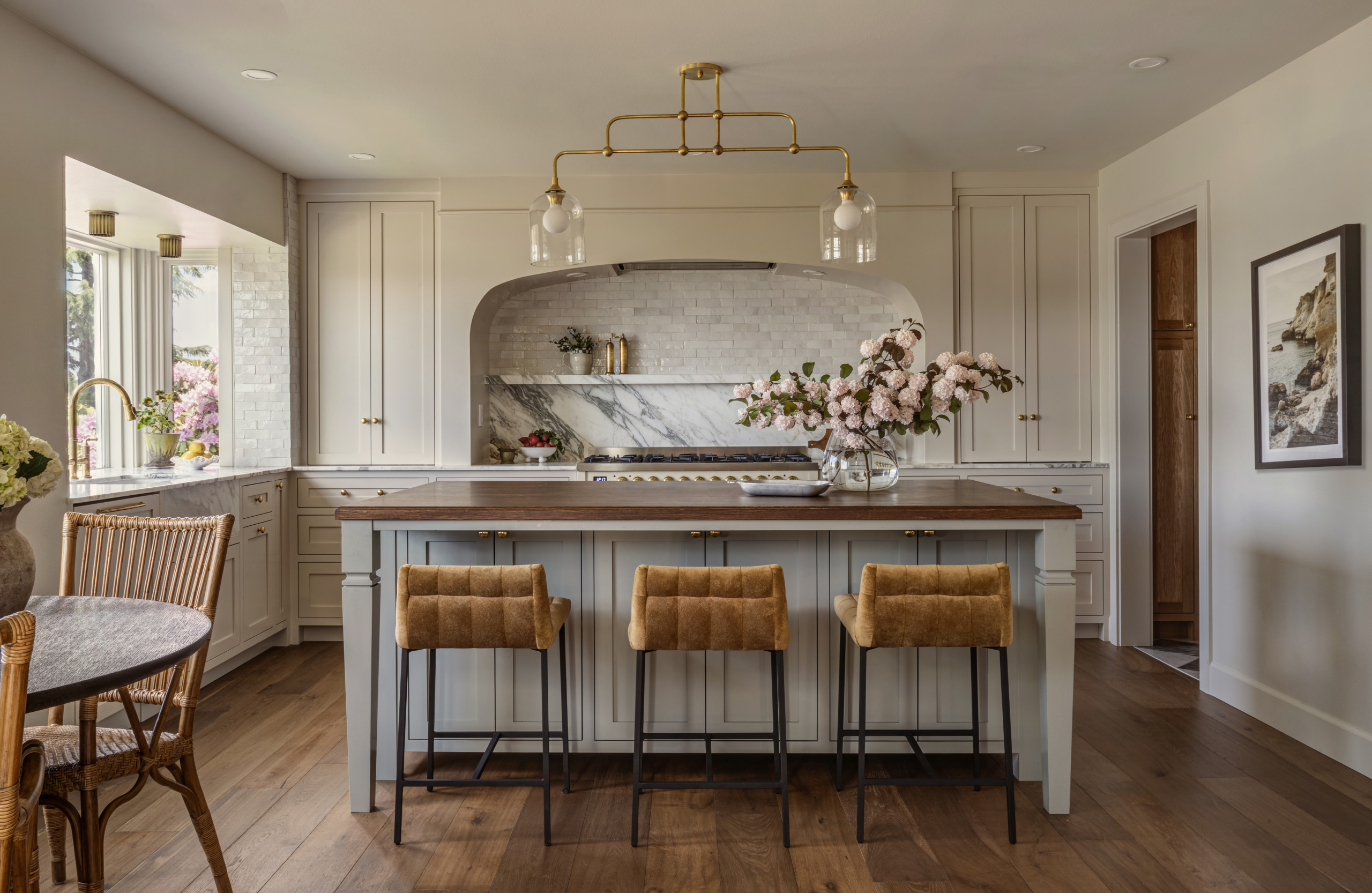
Start by identifying the purpose of the wall. Is it an accent behind a sofa, a kitchen backsplash, or a bedroom feature? High-traffic areas like entryways or kitchens benefit from durable, moisture-resistant materials like PVC or polyurethane. Living rooms and bedrooms allow for more delicate textures, such as gypsum or wood composites, which add warmth but require protection from humidity.
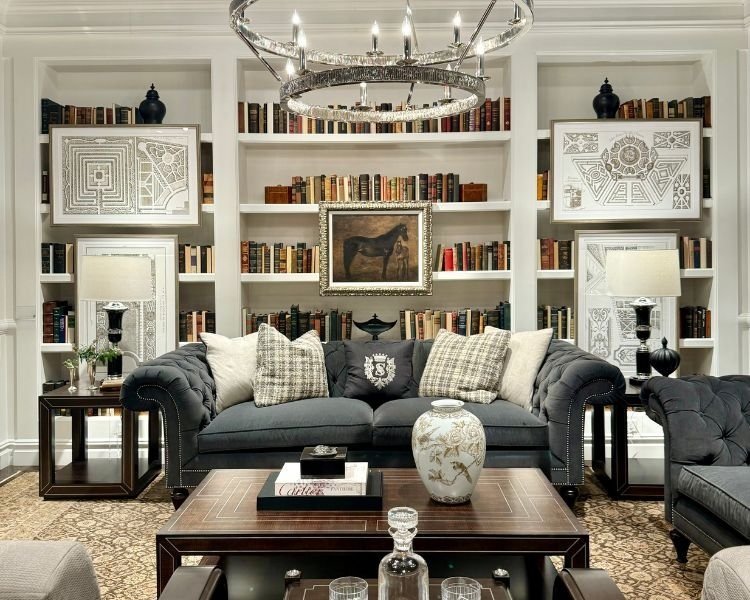
Match the panel material to your home’s environment. Thermoformed PVC panels are lightweight, easy to cut, and ideal for DIYers using peel-and-stick backing. Gypsum panels offer a premium, plaster-like finish but are heavier and require professional installation with adhesive and screws. Consider the profile depth: shallow textures (1-2 inches) add subtle shadow play, while deep geometric patterns create dramatic visual interest but can collect dust if not sealed.
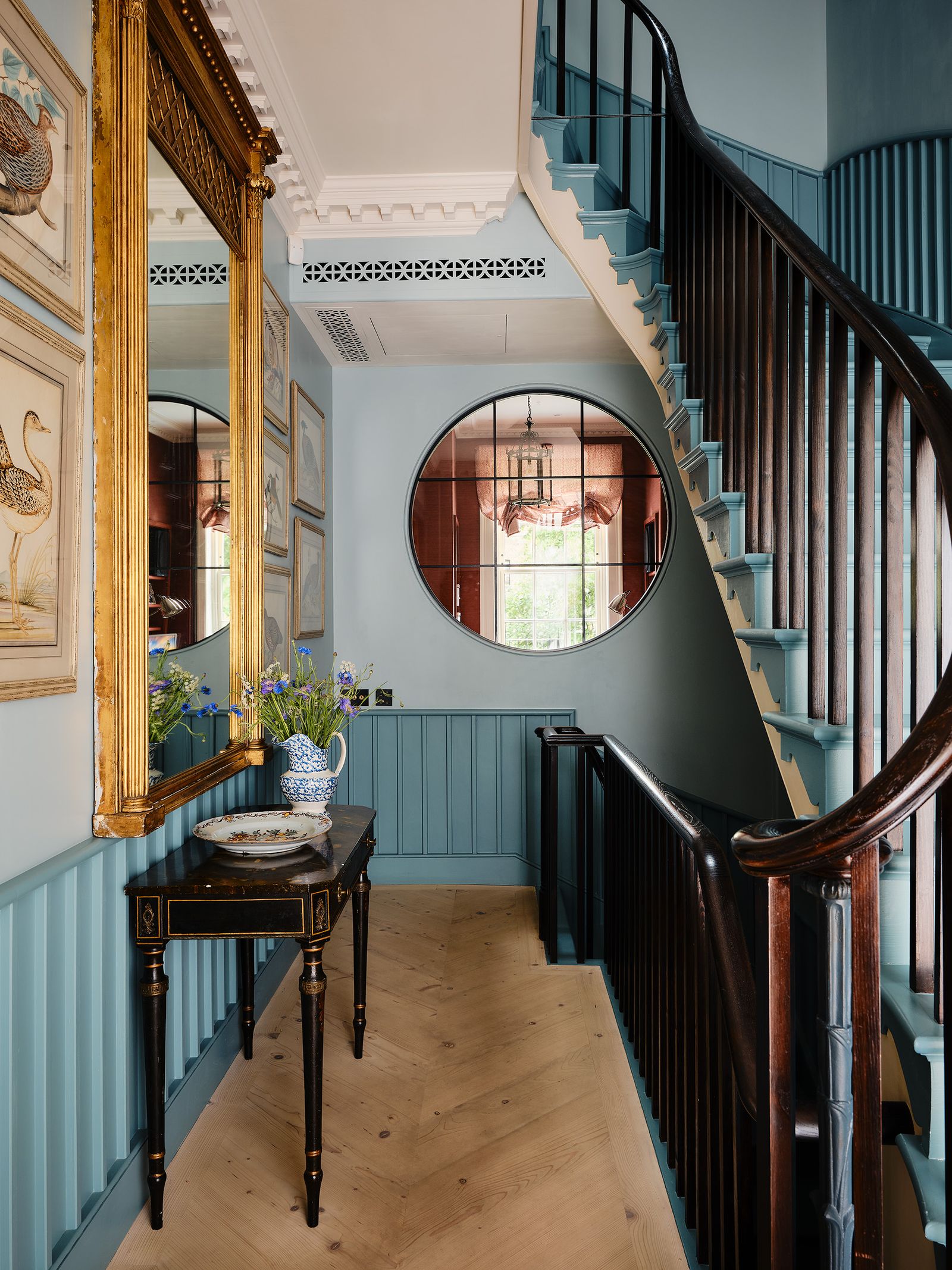
3D panels rely on light to reveal their texture. Before buying, map out your lighting plan. Recessed downlights or wall washers angled at 30-45 degrees highlight the relief of the design. If the wall is in a low-light corner, choose a lighter color or a shallower profile to avoid a flat, muddy appearance. Sketch a grid on the wall with painter’s tape to visualize the pattern scale relative to furniture and art.

Costs vary significantly by material and customization. Basic PVC peel-and-stick panels start around $10-$20 per square foot, while custom gypsum or wood veneer panels can exceed $50 per square foot. Factor in installation costs: DIY-friendly options save labor but require precise surface prep (filling holes, sanding smooth). Professional installation adds $5-$15 per square foot but ensures a flawless, level finish. Always order 10-15% extra material for cuts and future repairs.


As an Amazon Associate, we may earn from qualifying purchases.
Avoiding Common 3D Wall Panel Mistakes
Customizable 3D wall panels promise a high-end look without the renovation cost, but the market is full of misleading claims. Shoppers often confuse lightweight thermoformed PVC with rigid, durable materials, leading to disappointing installations. Before you commit to a project, understanding what you’re buying prevents costly errors.
Spotting Weak Options
Many listings advertise "premium" panels that are actually thin, flimsy PVC sheets. These weak options warp easily and lack the structural integrity needed for a lasting finish. Always check the material specifications. Thermoformed PVC is durable and lightweight, but it must be thick enough to hold its shape. If the product description lacks density metrics or feels vague, skip it.
The "Peel and Stick" Trap
The most common mistake is assuming all 3D panels are peel-and-stick. While some are, many require professional adhesive and precise wall preparation. Applying a heavy panel to a textured or uneven wall without proper priming leads to peeling within months. Verify the installation method. If the wall isn’t perfectly smooth, you’ll need leveling compounds or a different mounting system.
Cost Reality Check
Prices vary wildly, but extremely low-cost options often use inferior materials that yellow or crack. A realistic budget for quality thermoformed panels ranges from moderate to high, depending on the complexity of the design. Use a calculator to estimate your total square footage and material needs, including excess for cuts and mistakes.
3D wall panels: what to check next
Before committing to a transformation, it helps to understand the practical realities of installation, cost, and durability. These answers address the most common objections homeowners raise when considering custom 3D wall panels.
No comments yet. Be the first to share your thoughts!